



Most startups don’t fail because their idea was bad. They fail because users couldn’t figure out how to use the product — or didn’t feel like sticking around long enough to find out if it was any good.
That’s where UX design for startups comes in. It’s not a “nice to have” you add after launch. It’s one of the biggest levers you have for growth, retention, and even fundraising.
If you’re building a startup and wondering whether UX design deserves a spot in your early budget, this guide breaks down exactly why it matters — and how to get it right without burning cash you don’t have.
What Is UX Design, Really?
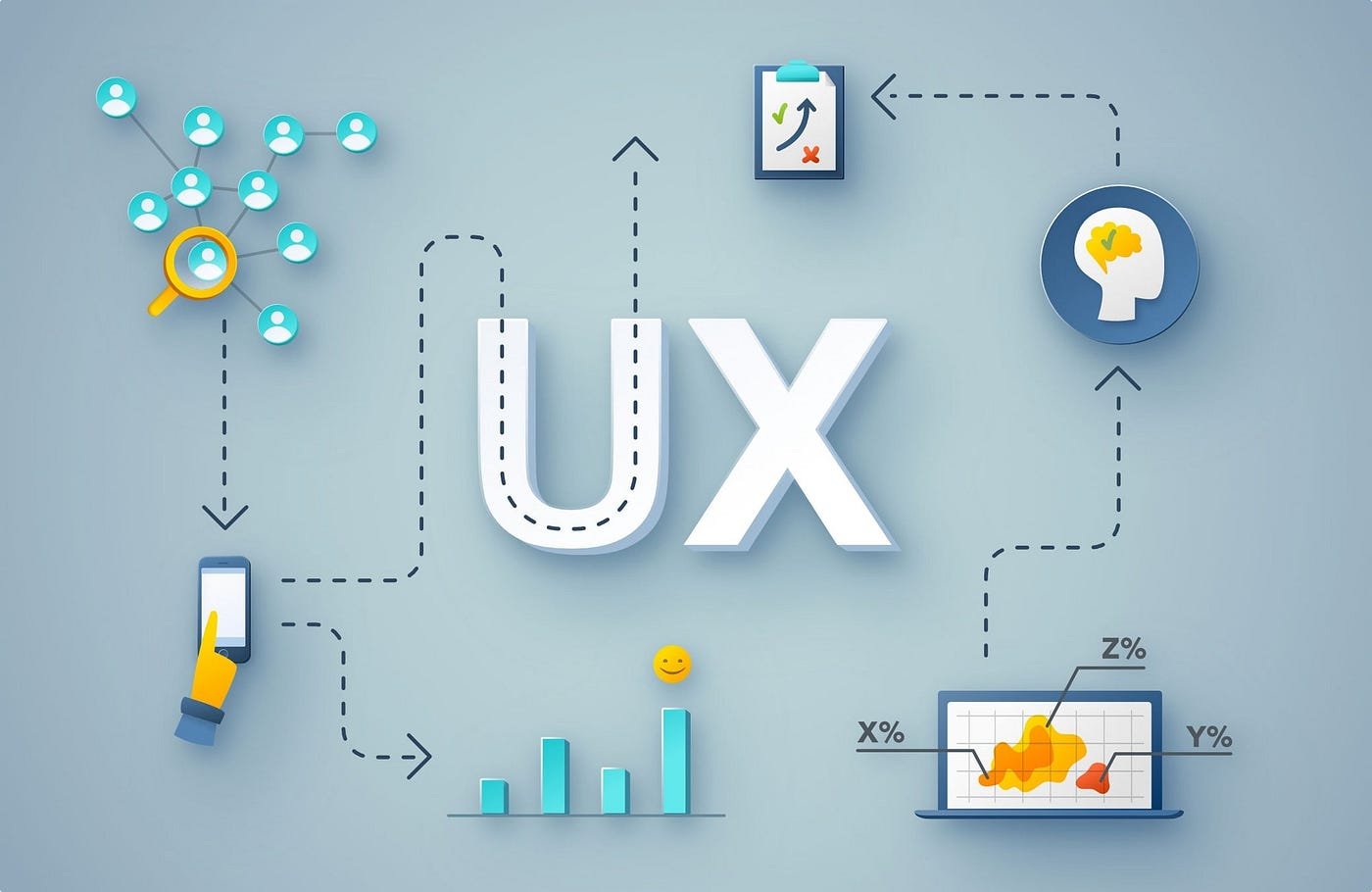
UX (User Experience) design is the process of making a product easy, useful, and enjoyable to use. It covers everything from how a user signs up, to how they navigate your app, to how they feel when something goes wrong.
Good UX design isn’t just about pretty screens. It’s about:
- Reducing friction at every step
- Helping users reach their goal faster
- Building trust through clarity and consistency
- Making the product feel effortless, even when it’s doing something complex
For a startup, this directly affects whether people stay, pay, and recommend you to others.
Why UX Design for Startups Matters So Much (Not Just “Nice to Have”)
1. First Impressions Decide If Users Stay or Leave
Startups usually get one shot. A new user opens your app or website, and within seconds they’re deciding: “Is this worth my time?”
If the interface feels confusing, cluttered, or slow, most users won’t stick around to find out if the core product is good. They’ll just leave — and rarely come back.
2. UX Directly Impacts Conversion Rates
Whether it’s sign-ups, free-trial activations, or purchases, every extra click, unclear button, or confusing form is a chance to lose a potential customer.
Startups that invest in UX design early often see:
- Higher sign-up completion rates
- Fewer drop-offs during onboarding
- Better trial-to-paid conversion
Small design fixes — like simplifying a form or clarifying a call-to-action — can improve conversions without spending a rupee on extra marketing.
3. It Builds Trust and Credibility
Users judge trustworthiness fast, often based on how a product looks and feels. A clean, well-thought-out interface signals that a startup is serious and reliable — even before the user has tested the actual product features.
This is especially important for early-stage startups trying to compete with bigger, more established players.
4. Good UX Reduces Customer Support Costs
When a product is intuitive, users don’t need to ask “How do I do this?” as often. That means:
- Fewer support tickets
- Lower support team costs
- Happier users who don’t feel stuck
For lean startup teams, this is a real, measurable saving.
5. It Improves Retention (Which Investors Care About)
Acquiring a new user is expensive. Keeping one is far cheaper — but only if the experience is good enough to bring them back.
Startups with strong UX tend to have:
- Better repeat usage
- Lower churn rates
- Stronger word-of-mouth growth
Investors know this too. Retention and engagement metrics are often reviewed closely during fundraising, and UX is a major driver of both.
How UX Design Fuels Startup Growth (Not Just Looks)
| UX Focus Area | Impact on Growth |
|---|---|
| Simple onboarding | Faster user activation |
| Clear navigation | Lower bounce rate |
| Consistent design | Higher trust and credibility |
| Fast load times | Better user satisfaction |
| Accessible design | Wider audience reach |
Growth isn’t only about marketing spend. It’s also about how efficiently your product turns visitors into loyal users — and UX is a core part of that engine.
How Startups Can Improve UX Without a Big Budget
You don’t need a 10-person design team to get UX right. Here’s a practical, beginner-friendly approach:
Step 1: Talk to Real Users Early
Before building more features, watch how actual users interact with your product. Even five honest conversations can reveal major friction points you didn’t notice.
Step 2: Simplify the Onboarding Flow
Ask yourself: what’s the minimum a user needs to do to experience value? Remove every unnecessary step, field, or screen.
Step 3: Prioritize Clarity Over Cleverness
Avoid fancy jargon or overly creative navigation. Users should never have to guess what a button does or where a link leads.
Step 4: Test on Real Devices
What looks fine on a large desktop screen can break completely on a small phone. Always test on the devices your actual users are using.
Step 5: Use Data to Guide Design Decisions
Tools like heatmaps, session recordings, and basic analytics can show exactly where users get stuck — so you fix real problems, not assumed ones.
Step 6: Iterate Constantly
UX isn’t a one-time task. Treat it as an ongoing process — small improvements, tested regularly, compound into a much better product over time.
Common UX Mistakes Startups Should Avoid
- Overloading users with too many choices at once
- Ignoring mobile users, even though most traffic often comes from mobile
- Skipping user testing and relying only on internal opinions
- Adding too many features too soon, instead of polishing the core flow
- Copying competitors’ design blindly, without understanding their reasoning
Avoiding these mistakes early can save startups months of rework later.
FAQs on UX Design for Startups
Q1. Is UX design important for early-stage startups, or can it wait?
It shouldn’t wait. Even a simple MVP benefits from basic UX thinking, since early user experience often shapes whether people trust the product enough to keep using it.
Q2. How much should a startup spend on UX design?
There’s no fixed number. Many startups start lean — using in-house tools, templates, and user feedback — before investing in a dedicated designer as they scale.
Q3. Can good UX design really increase revenue?
Yes. Better UX often leads to higher conversion rates, lower churn, and increased customer trust — all of which directly impact revenue.
Q4. What’s the difference between UX and UI design?
UI (User Interface) is about how a product looks — colors, buttons, layout. UX (User Experience) is about how a product works and feels to use. Startups need both, but UX shapes the deeper user journey.
Q5. How do I know if my startup has a UX problem?
Common signs include high drop-off rates during sign-up, frequent support questions about “how to use” the product, low repeat usage, and negative user feedback about confusion or friction.
Final Thoughts
UX design isn’t just a design team’s job — it’s a growth strategy. For startups working with limited budgets and even more limited time to win user trust, a smooth, intuitive experience can be the difference between a user who churns in week one and one who becomes a loyal, paying customer.
Start small. Talk to your users. Fix the friction points that matter most. Over time, that steady focus on UX design for startups compounds into real, measurable growth.