



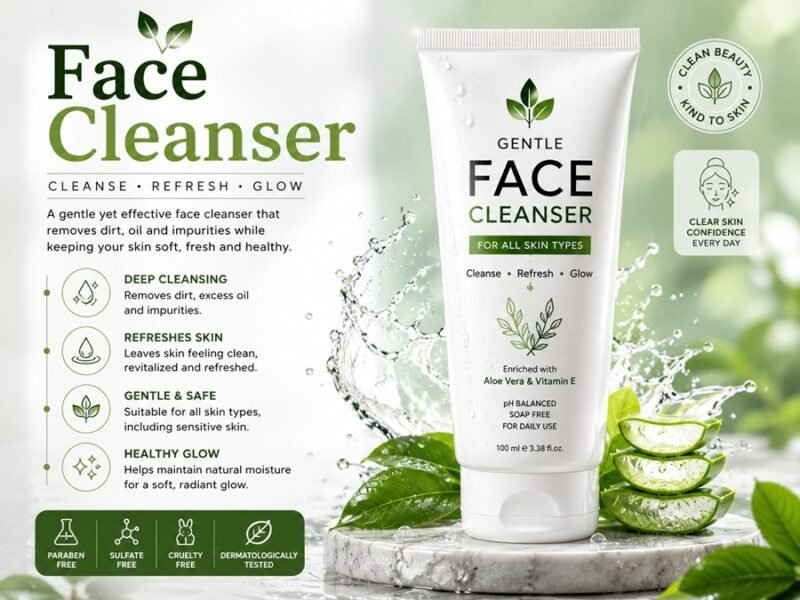
Walk into any skincare aisle — or scroll through an online store — and you’ll find dozens of cleansers promising clearer, softer, brighter skin. The truth is, the “best” cleanser isn’t the same for everyone; it depends on your skin type, concerns, and daily routine. This guide walks you through how to choose the right one, what to look for on the label, and a few things worth avoiding.
Looking to cleanser buy that actually suits your skin? The key is skipping the trend-driven bestsellers and matching the formula to your skin type instead — gel or foaming cleansers for oily and combination skin, cream or soap-free cleansers for dry and sensitive skin. Before you buy, check that the product is fragrance-free (if you’re prone to irritation), soap-free (to protect your skin’s natural moisture barrier), and ideally dermatologically tested. A cleanser that works well for someone else won’t necessarily work for you, so when in doubt, start with a smaller size to test compatibility before committing to a full-size bottle.
Why the Right Cleanser Matters
A face cleanser’s main job is simple: remove dirt, oil, sweat, sunscreen, and makeup without stripping your skin’s natural moisture barrier. Using the wrong type — say, a harsh foaming cleanser on already dry, sensitive skin — can leave your skin feeling tight, irritated, or prone to breakouts as it overcompensates for the lost moisture. Getting this one product right sets the foundation for the rest of your skincare routine.
Types of Cleansers and What They’re Best For
1. Gel Cleansers
Lightweight and often oil-free, gel cleansers are effective at clearing excess oil without feeling heavy on the skin.
Best for: Oily and combination skin
2. Foaming Cleansers
These create a light lather that lifts away dirt, oil, and impurities. They can feel refreshing but may be drying if used too frequently on sensitive skin.
Best for: Normal to oily skin, or occasional deep cleansing
3. Cream Cleansers
Richer in texture, cream cleansers cleanse gently while helping maintain the skin’s moisture levels.
Best for: Dry and sensitive skin
4. Micellar Cleansers
Made with tiny oil molecules (micelles) that attract dirt, makeup, and impurities without needing to be rinsed off in some formulations.
Best for: Quick cleansing, makeup removal, sensitive or easily irritated skin
5. Exfoliating Cleansers
Contain mild exfoliating ingredients to help remove dead skin cells and smooth texture over time.
Best for: Dull or uneven-textured skin — best used a few times a week rather than daily, unless your dermatologist advises otherwise
6. Soap-Free / Syndet Cleansers
Formulated to cleanse without the harshness of traditional soap, helping preserve the skin’s natural pH and moisture barrier.
Best for: Sensitive skin, eczema-prone skin, or anyone prone to dryness and irritation
How to Choose a Cleanser for Your Skin Type
| Skin Type | Look For | Avoid |
|---|---|---|
| Oily skin | Gel or foaming, oil-free formulas | Heavy creams, added oils |
| Dry skin | Cream or hydrating cleansers with ceramides | Strong foaming agents, alcohol-based formulas |
| Combination skin | Gentle gel or balanced foaming cleanser | Overly stripping or overly rich formulas |
| Sensitive skin | Soap-free, fragrance-free, dermatologically tested | Harsh exfoliants, strong fragrances |
| Acne-prone skin | Oil-control or salicylic acid–based cleansers | Comedogenic (pore-clogging) ingredients |
What to Check Before You Buy
- Skin type match – Start here first; a cleanser designed for oily skin can be too harsh for dry or sensitive skin, and vice versa.
- Soap-free formulation – Soap-free cleansers are generally gentler and less likely to disrupt your skin’s natural barrier.
- Fragrance-free options – If you have sensitive skin or a history of irritation, fragrance-free formulas reduce the risk of reactions.
- Dermatologically tested claims – Products tested or recommended by dermatologists typically go through more rigorous formulation checks for gentleness and skin compatibility.
- Ingredient list – Look for hydrating ingredients like ceramides, glycerin, or niacinamide if you also want added skin benefits beyond basic cleansing.
- Packaging size – If you’re trying a new cleanser for the first time, a smaller size or trial pack is a lower-risk way to test compatibility before committing to a larger bottle.
How Often Should You Use a Face Cleanser?
Most dermatologists recommend cleansing twice a day — once in the morning and once before bed — to remove overnight oil buildup, environmental dirt, sunscreen, and makeup. Over-cleansing (more than twice daily) can strip natural oils and lead to dryness or irritation, even with a gentle formula.
If you’re using an exfoliating cleanser, it’s generally best limited to a few times a week rather than daily use, unless a dermatologist has specifically recommended otherwise for your skin.
Common Cleanser-Buying Mistakes to Avoid
- Choosing based on scent or packaging alone – A pleasant fragrance doesn’t indicate how well a product suits your skin type
- Ignoring your actual skin type – The “best-selling” cleanser isn’t automatically the best one for you
- Over-cleansing – Using a foaming or exfoliating cleanser more than needed can damage your skin barrier over time
- Skipping the ingredient list – Especially important if you have known sensitivities or allergies
- Switching products too frequently – Give a new cleanser a few weeks before judging results, unless it causes noticeable irritation
FAQs About Buying a Face Cleanser
Q1. What is the best facial cleanser recommended by dermatologists?
There isn’t one universal “best” cleanser — dermatologists generally recommend one that removes dirt and oil effectively without disrupting your skin barrier, and that matches your specific skin type and concerns.
Q2. What’s the difference between a foaming cleanser and a cream cleanser?
Foaming cleansers create a light lather and work well for normal to oily skin, while cream cleansers have a richer texture and are usually better suited for dry or sensitive skin.
Q3. How many times a day should I use a face cleanser?
Most dermatologists recommend cleansing twice daily — once in the morning and once at night — to keep skin clean without over-drying it.
Q4. Can I use an oil-free cleanser if I have dry skin?
Yes, as long as it’s formulated with hydrating ingredients that cleanse without stripping moisture. Look for oil-free cleansers that also mention hydrating or gentle formulations if your skin tends to be dry.
Q5. What is a soap-free cleanser and why is it considered better for skin?
A soap-free cleanser is formulated to clean skin without the harsh effects of traditional soap, helping preserve your skin’s natural moisture barrier and reducing the risk of dryness or irritation.
Q6. Should I use a different cleanser for morning and night?
Not necessarily. Many people use the same gentle cleanser for both, though some prefer a lighter formula in the morning and a more thorough one at night to remove makeup, sunscreen, and daily buildup.
Final Thoughts
The right face cleanser isn’t about chasing trends or picking whatever’s best-selling — it’s about matching the formula to your skin type and how your skin actually responds over time. Start by identifying whether your skin leans oily, dry, combination, or sensitive, choose a soap-free and fragrance-free option if you’re prone to irritation, and give any new product a few weeks before deciding if it’s working for you.
Disclaimer: This article is for general informational purposes and isn’t a substitute for professional medical advice. If you have persistent skin concerns, allergies, or conditions like eczema or acne, consult a dermatologist before starting a new skincare product.