

A single missed EMI drops a CIBIL score by 50-100 points. RBI’s weekly reporting means it happens within 7 days now. Most misses are caused by friction, not inability. Here is the fix.
When someone misses an EMI, the assumption is immediate. The borrower ran short of funds this month. The repayment fell behind because the money was not there. This assumption is wrong most of the time. The money was there. The payment simply did not go through.
A UPI transaction that failed at 11:58 PM on the due date. A net banking portal that timed out. A forgotten due date on a loan opened eighteen months ago when the app was different and the reminder was not set. These are not financial failures. They are infrastructure failures. But the CIBIL score records them the same way either way.
For IDFC FIRST loan payments and other EMI settlements, Bajaj Pay, the Bharat Connect payments platform on Bajaj Finance, shows the exact outstanding amount before you confirm, through UPI, cards, or net banking.
What Friction Looks Like in Practice
Payment friction in retail lending has three common forms. Each results in a missed EMI that the borrower had every intention and ability to pay.
- Technical failure. The UPI app returns a failure code at the point of payment. The borrower retries the next morning. The due date has passed. The lender’s system records the payment as late.
- Portal fragmentation. The loan was taken from one institution. The repayment requires logging into a separate portal with credentials the borrower has not used in three months. The password has expired. Recovery takes a day. The due date passes during that day.
- Notification failure. The EMI date is the 10th. The bank statement arrives on the 15th. The loan app notification was turned off during a phone reset. Nothing reminded the borrower until the lender sent a recovery SMS on the 12th.
None of these situations involves a borrower who could not pay. All of them result in the same credit bureau entry as a genuine default.
What That Entry Actually Costs
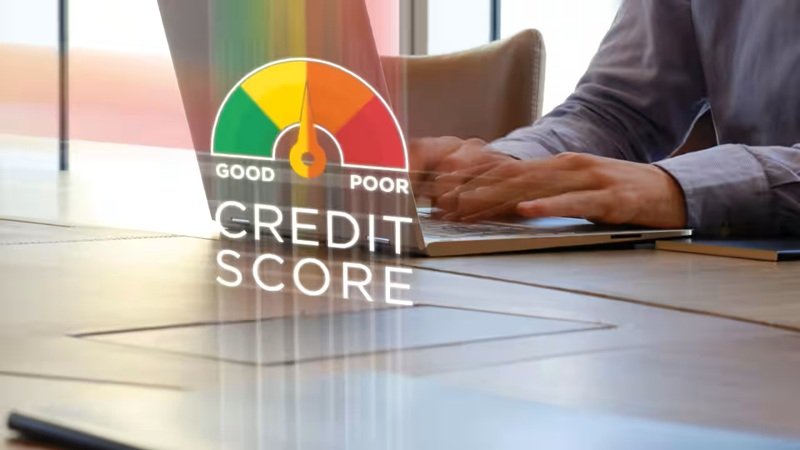
A single missed EMI can reduce a CIBIL score by 50-100 points. That reduction is not a temporary inconvenience. A lower score changes the interest rate available on the next loan.
On a Rs. 20 lakh home loan, the difference between an 8.5% and a 9.5% interest rate is over Rs. 1 lakh in additional interest over a 20-year tenure. One technical failure on one EMI due date can produce that outcome for a borrower who had the money and simply could not complete the transaction.
From April 2026, this consequence arrives faster than it used to. RBI’s new weekly credit reporting directive requires lenders to submit borrower data to credit bureaus every seven days, replacing the previous fortnightly cycle. A missed EMI on the 10th of the month is now reported by the 16th. The window between the missed payment and the CIBIL record has shortened significantly.
The RBI itself acknowledged this problem. When revising the single-bounce EMI policy, RBI explicitly noted that many consumers were being penalised not for genuine financial irresponsibility but for situations outside their control. The revised policy prevents immediate CIBIL damage from a single bounce. But repeated misses, even friction-driven ones, accumulate into lasting score damage.
What Friction-Free Repayment Looks Like
The solution to friction is not discipline. It is infrastructure. When a loan repayment can be made from any digital channel at any hour without a dedicated portal login, the technical failure and portal fragmentation problems disappear.
Bharat Connect’s loan repayment infrastructure enables exactly this. An IDFC EMI payment made through Bajaj Finance connects directly to IDFC FIRST’s loan account, confirms the outstanding amount in real time, and generates an instant receipt. The borrower does not need the IDFC FIRST portal. They do not need saved credentials for a separate app. The payment goes through the same interface used for every other bill and recharge.
Removing one login step removes one failure point. Removing one failure point removes one category of friction-driven missed EMI.
Pay Your IDFC FIRST Loan on Bajaj Finance
For current loan repayment across lenders, Bajaj Finance fetches the live outstanding amount directly from the lender before confirming any payment.
Steps to pay your IDFC FIRST loan EMI:
- Open the Bajaj Finance app or visit the website and log in
- Go to Bills and Recharges and select Loan Repayment
- Select IDFC FIRST Bank from the list of lenders
- Enter your loan account number and fetch the outstanding amount
- Review the exact EMI amount before confirming
- Choose a payment method such as UPI, debit card, credit card, or net banking and complete the payment for an instant Bharat Connect receipt
India’s retail credit market is heading toward Rs. 160 trillion in outstanding loans. Millions of borrowers are making EMI payments every month. The ones who miss payments because of friction rather than financial difficulty are paying a credit score penalty designed for a different kind of borrower. Weekly credit reporting from April 2026 makes the consequence arrive faster. Frictionless repayment infrastructure makes the miss less likely to happen at all. One on-time payment through any available channel does more for a credit score than any recovery plan written after the fact.