



Common causes explained calmly — with practical home care tips, clear symptom guidance, and advice on when to see a professional.
|
Introduction
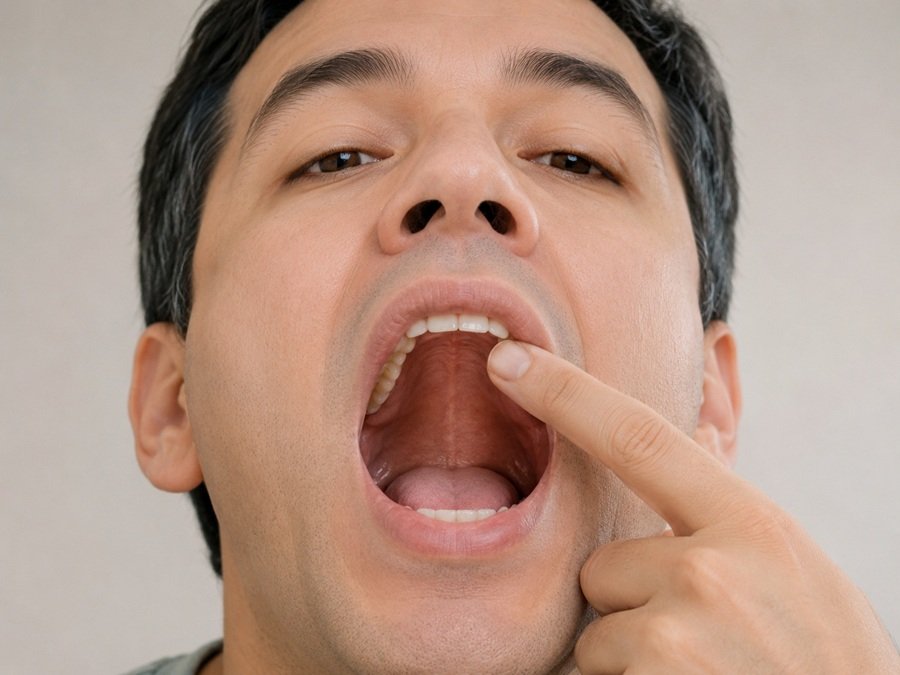
That unexpected ache or soreness you feel on the top of your mouth can range from a minor annoyance to something that makes eating and drinking genuinely uncomfortable. If you have ever asked yourself why does the roof of my mouth hurt — you are far from alone. It is one of those everyday oral discomforts that many people experience, yet rarely talk about.
The good news: most causes are benign and resolve on their own with a little time and self-care. But because the palate — the medical term for the roof of your mouth — is a sensitive, well-supplied area, it can respond quickly to a range of triggers, from a sip of scalding coffee to a developing mouth sore. Understanding what is behind the pain helps you decide whether to wait it out or make a call to your dentist.
This guide walks through the most common reasons your roof of mouth hurts, what symptoms to watch for, safe comfort measures you can try at home, and the signs that genuinely warrant a professional’s opinion.
Common Reasons the Roof of Your Mouth Hurts
Pain or tenderness in this area can come from many different directions. Below are the causes most frequently responsible, presented in a clear, easy-to-read format.
| ☕ Burns From Hot Food or Drink The most common culprit. A bite of pizza fresh from the oven or a sip of scalding tea can scald the delicate palate tissue almost instantly. Pain is sharp, immediate, and usually lingers for a day or two. | 🫧 Canker Sores (Mouth Ulcers) Small, shallow ulcers on the soft palate cause surprising discomfort relative to their size. Not contagious, they typically heal within 1–2 weeks. Stress, minor injuries, and certain foods can trigger them. |
| 💧 Dehydration When the body lacks fluids, the mouth becomes dry and tissues feel irritated, creating mild palate sensitivity. If the pain occurs alongside noticeable dry mouth, drinking more water is a reasonable first step. | 🌿 Allergies and Food Sensitivities Oral allergy syndrome — a reaction to raw fruits, vegetables, or tree pollens — can cause tingling and soreness in the palate shortly after eating a trigger food. Generally mild, but anyone with known allergies should take unusual oral reactions seriously. |
| 🦠 Viral or Fungal Infections Cold sores caused by herpes simplex virus can occasionally affect the palate. Oral thrush — a yeast infection more common in infants, older adults, or immunocompromised individuals — can create white patches and significant soreness. | 🌬️ Sinus Pressure and Congestion The sinuses sit directly above the upper jaw and palate. During a sinus infection or heavy allergy season, built-up pressure can radiate downward, creating a dull ache that feels like it originates from the palate — even when the source is higher up. |
| 🦷 Dental Issues An abscessed or cracked tooth, or a dental infection, can refer pain toward the roof of the mouth. If soreness seems connected to a specific tooth, or if there is swelling near the gumline, a dental check is warranted. | 🚬 Smoking and Tobacco Use Long-term tobacco use — particularly pipe or cigar smoking — can cause nicotinic stomatitis, where the palate becomes irritated and develops raised bumps. Persistent palate pain in tobacco users should be evaluated by a dentist or doctor. |
| 🤕 Physical Injury or Trauma Biting down on something hard, a sharp chip or cracker, or an ill-fitting denture can physically scratch or bruise the palate. This kind of trauma heals quickly but can feel quite tender, especially when the roof of mouth hurts when eating crunchy or acidic foods. |
|
What the Pain Might Feel Like
The sensation varies depending on the underlying cause. Here are a few patterns worth noting:
Sharp or Stinging Pain
Often linked to burns, cuts, or mouth sores. The sharpness typically intensifies when the area contacts food, drink, or even the tongue.
Dull Ache or Pressure
More commonly associated with sinus issues, dental problems, or infection. The pain may feel diffuse and hard to pin down to one exact spot.
Burning Sensation
Persistent burning in the mouth and palate can occasionally be a symptom of burning mouth syndrome, a condition more common in postmenopausal women, or a sign of vitamin B12 or iron deficiency. If burning is your dominant complaint and has no obvious trigger, mentioning it to a healthcare provider is worthwhile.
Pain Specifically When Eating
If the roof of mouth hurts when eating but feels fine otherwise, the cause is likely mechanical — a burn, sore, or injury that gets aggravated by contact or the acidity and temperature of food.
When to See a Dentist or Doctor
Most cases of palate pain resolve within a week with basic self-care. However, you should seek professional evaluation if you notice any of the following:
- Pain that persists for more than 10 to 14 days without an obvious cause
- A visible lump, bump, or swelling that does not go away
- White patches that cannot be wiped off (possible oral thrush or, less commonly, leukoplakia)
- Fever alongside the mouth pain
- Difficulty swallowing, breathing, or opening your mouth fully
- Bleeding from the palate that is not related to a clear, minor injury
- Pain that is rapidly worsening rather than improving
- Any sore or lesion that changes colour, texture, or size over time
|
Safe Home Remedies and Self-Care Tips
For mild, short-term discomfort without alarming symptoms, these general comfort measures are widely regarded as safe and reasonable:
- Stay well hydrated. Drinking plenty of water keeps the tissues moist, supports healing, and reduces the irritation that comes with dry mouth. This is especially important if dehydration may be a contributing factor.
- Cool or cold foods and drinks. After a burn or minor injury, cool water, ice chips, or cold yogurt can soothe inflamed tissue. Avoid very hot or spicy food while healing.
- Warm saltwater rinses. A gentle rinse with half a teaspoon of salt dissolved in a glass of warm water can help cleanse the area and support healing of minor sores. Repeat two to three times a day.
- Avoid known irritants. Tobacco, alcohol-based mouthwashes, acidic foods (citrus, tomatoes), and very crunchy or hard foods can all delay healing or worsen pain.
- Over-the-counter pain relief. For general soreness, a standard dose of ibuprofen or acetaminophen (following package instructions) can make eating and daily life more comfortable while the issue resolves. Topical oral gels containing benzocaine may also help — follow label guidance carefully.
|
Prevention: Small Habits That Make a Difference
Mind the temperature of your food. It sounds obvious, but the most common cause of palate pain — thermal burns — is almost entirely avoidable by letting hot items cool before eating. A few seconds of patience goes a long way.
Support your immune system. Canker sores and oral infections flare up more easily when you are run-down, stressed, or nutritionally depleted. Adequate sleep, a balanced diet (especially B vitamins and iron), and stress management all help maintain healthy oral tissue.
Be mindful of allergens. If you notice soreness developing reliably after eating certain raw foods, it may point to oral allergy syndrome. Tracking your diet and symptoms can help identify patterns — and your doctor can confirm with allergy testing if needed.
Stay on top of dental health. Infections and dental problems that radiate to the palate tend to be preventable with regular brushing, flossing, and professional cleaning. Do not ignore tooth pain — it rarely resolves without treatment.
Frequently Asked Questions
| Q: Why is the roof of my mouth sore after eating certain foods? If your palate feels sore or tingly after eating raw fruits, vegetables, or nuts, you may be experiencing oral allergy syndrome — a reaction where proteins in those foods resemble certain pollen proteins. Cooking the food usually eliminates the reaction. Acidic foods such as citrus or tomatoes can also temporarily irritate sensitive palate tissue. If reactions are severe or include throat tightening, seek medical care promptly. |
| Q: I’ve noticed a lump in the roof of my mouth that hurts — should I be worried? A painful lump on the palate is most commonly something benign: a mucocele (blocked salivary gland), an inflamed cyst, a cold sore, or minor swelling from an injury. However, any lump that does not resolve within 2 to 3 weeks, changes in appearance, or is accompanied by other symptoms should be professionally assessed. Your dentist is a great first point of contact — they can visually examine it and refer you if anything needs further investigation. |
| Q: Can sinus problems really cause pain in the roof of my mouth? Yes, quite commonly. The maxillary sinuses sit directly above the upper jaw and palate. When they are congested or inflamed — from a cold, allergies, or a sinus infection — pressure can radiate downward and create a dull ache that feels like it is coming from the palate or upper teeth. If treating your sinus symptoms relieves the palate pain, that is a good indication the sinuses were the root cause. |
| Q: How long does a palate burn typically take to heal? Minor thermal burns to the palate usually heal within three to seven days. The first 24 to 48 hours tend to be the most uncomfortable. During this period, stick to cool or lukewarm foods, avoid spicy or acidic items, and consider a gentle saltwater rinse. If pain is severe, blistering is extensive, or there is no improvement after a week, a dentist or doctor can assess whether further care is needed. |
| Q: When should I be genuinely concerned about pain in the roof of my mouth? Most palate pain is temporary and harmless. Genuine red flags include pain or a sore lasting longer than two weeks without improvement; a lump or lesion that grows or changes; white patches that will not wipe away; pain accompanied by fever, difficulty swallowing, or breathing changes; and unexplained bleeding. None of these are reasons to panic — but they are reasons to book an appointment rather than waiting further. |
The Bottom Line
Soreness or tenderness on the roof of your mouth is genuinely common, and in the vast majority of cases, it has a simple, short-term explanation — a burn from food that was too hot, a minor sore, some sinus pressure, or mild dehydration. A little rest, gentle care, and a few days usually take care of it.
That said, your mouth is a good communicator. When something is off, it tends to let you know. If the discomfort lingers, if you notice a lump or lesion, or if the pain seems out of proportion to any obvious cause — trust that signal and reach out to your dentist or a healthcare provider. Oral health is closely connected to overall wellbeing, and early assessment is almost always better than prolonged waiting.
You do not need to self-diagnose or worry unnecessarily. A professional can give you clarity quickly — and peace of mind is worth the appointment.
Final Reminder: This article is for educational purposes only and does not constitute medical or dental advice. Always consult a qualified healthcare professional or licensed dentist regarding any oral health symptoms — especially if they are persistent, severe, or accompanied by other concerning signs.