



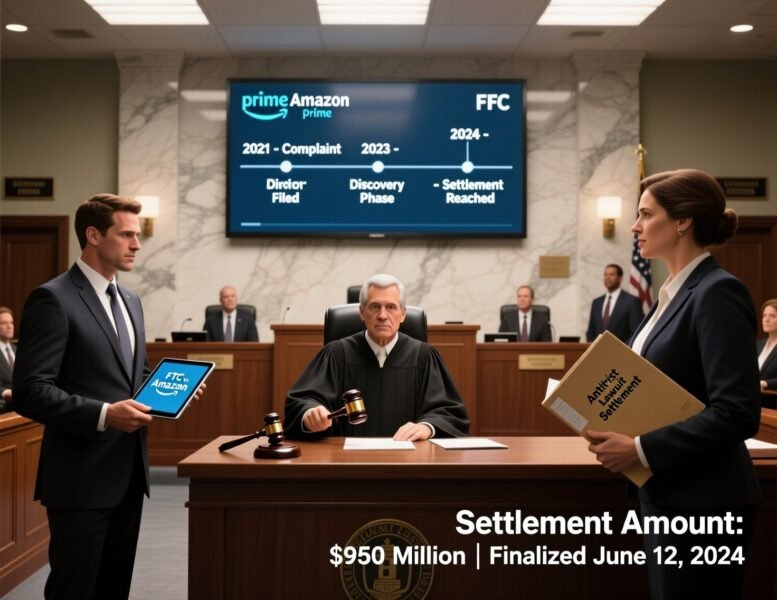
Amazon has long marketed its Prime membership as a fast, convenient way to enjoy free shipping, exclusive deals, and entertainment perks. But the FTC Amazon Prime lawsuit settlement is making waves across the retail world. Regulators claimed Amazon allegedly used deceptive tactics to sign up consumers for Prime and made canceling the service intentionally difficult.
The recent Amazon settlement marks a turning point in how online platforms manage subscriptions and customer consent. This article breaks down the case, the settlement, and what it means for both Amazon and its millions of Prime subscribers.
What Sparked the Amazon Prime Lawsuit?
The Federal Trade Commission (FTC) filed a lawsuit alleging that Amazon:
Tricked customers into signing up for Prime without clear consent.
Made cancellation difficult, often requiring multiple steps in a process critics nicknamed the “Iliad Flow.”
Buried disclosures, preventing users from understanding what they were paying for.
The lawsuit centered on transparency and consumer choice, raising the question of whether subscription giants should simplify sign-up and cancellation to avoid misleading practices.
Details of the FTC Amazon Prime Settlement
The Amazon Prime FTC settlement doesn’t just address complaints — it sets a precedent. While the financial penalties have not matched other historic settlements, the agreement includes:
Stricter disclosure requirements for subscription sign-ups.
Simplified cancellation processes to prevent customer confusion.
Monitoring and reporting obligations, ensuring compliance with fair trade practices.
This Amazon Prime settlement reflects the FTC’s broader crackdown on “dark patterns” — design strategies that manipulate users into choices they might not otherwise make.
How Does This Affect Amazon Prime Members?
For the average Prime subscriber, the Amazon Prime lawsuit settlement could bring some immediate benefits:
Easier cancellation: Members should now find it simpler to cancel subscriptions without unnecessary obstacles.
Clearer sign-up language: Amazon must provide upfront information about billing, renewal, and cancellation.
Better transparency: Shoppers will know what they’re agreeing to before charges are applied.
This move strengthens consumer rights and gives subscribers more control over their spending habits.
Why the FTC Targeted Amazon
The FTC’s Amazon lawsuit is part of a broader mission to protect consumers from manipulative online practices. Over the past few years, regulators have examined subscription services across industries, including streaming platforms, gyms, and news outlets.
Amazon’s scale, however, made it a prime target. With more than 200 million Prime members globally, even small design tweaks could generate billions in recurring revenue. Regulators argued that the tech giant’s practices unfairly profited at the expense of consumer freedom.
Amazon’s Response to the Lawsuit
Amazon has denied intentional wrongdoing, stating that Prime sign-ups were always voluntary and that the company worked to provide clear information. However, the settlement shows the company’s willingness to compromise and adapt.
The tech giant also emphasized that Prime remains a valuable service, with benefits including:
Fast delivery on millions of items.
Streaming access through Prime Video.
Exclusive deals on major sales events like Prime Day.
Even with the settlement, Amazon continues to defend its reputation as a customer-centric company.
Broader Implications for the Subscription Industry
The Amazon Prime FTC settlement has ripple effects beyond Amazon. It sends a strong message to other subscription-based businesses:
Transparency is mandatory, not optional.
Dark patterns designed to delay or frustrate cancellations are under scrutiny.
Consumer-first policies may soon become the norm across industries.
This shift could change the way companies from Netflix to fitness apps manage subscriptions and user retention.
Amazon Settlement and Market Impact
Interestingly, news of the Amazon lawsuit and settlement had financial ripples. Shortly after the announcement, online chatter spiked about “Amazon down” — both in terms of technical glitches and stock performance.
While Amazon’s long-term market position remains strong, the settlement may pressure investors to rethink risks associated with regulatory oversight. Wall Street is watching closely, particularly as antitrust and consumer protection debates intensify.
Final Thoughts
The FTC Amazon Prime lawsuit settlement is more than just a legal outcome — it’s a warning shot for tech companies that rely on aggressive subscription tactics. For consumers, the agreement promises clearer choices, easier cancellations, and stronger protections. For Amazon, it’s both a reputational challenge and an opportunity to rebuild trust.
As the subscription economy grows, regulators will likely continue cracking down on practices that blur the line between convenience and exploitation. The Amazon Prime settlement stands as a reminder that even the biggest tech giants must answer to consumers and the law.
FAQs
1. What is the FTC Amazon Prime lawsuit settlement about?
The settlement addresses claims that Amazon used deceptive tactics to enroll customers in Prime and made cancellation difficult.
2. How does this affect Prime members?
Subscribers can expect clearer information, easier cancellation processes, and better transparency overall.
3. Does this mean Prime prices will change?
So far, there is no indication that the settlement will affect Prime’s pricing structure.
4. Why did regulators focus on Amazon?
Amazon’s massive subscriber base made it a high-profile example of how subscription practices can affect millions of consumers.
5. Is Amazon still facing other lawsuits?
Yes. Amazon is also under investigation for antitrust issues and other business practices beyond the Prime settlement.