
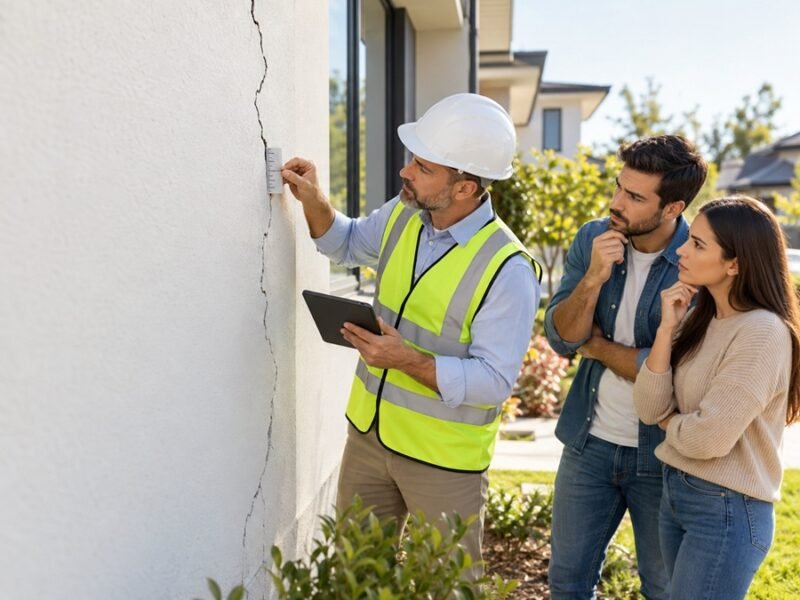


Buying a home is one of the biggest purchases most people will ever make. You check the price, the neighborhood, and the school district. You get a home inspection. But many buyers stop there. They don’t think about bringing in a structural engineer until a problem shows up after closing. By then, the repairs are yours to pay for. A home inspector gives you a broad look at the whole house. A structural engineer goes deeper into the parts that keep it standing. That includes the foundation, framing, roof structure, and load-bearing walls. For some homes, that extra check can save you thousands of dollars or help you walk away from a bad deal. For others, it may not be needed.
In this article, I’ll explain what a structural engineer looks for, when it’s worth the cost, what the report tells you, and how to use it during your purchase.
Home Inspector vs. Structural Engineer
These two roles are often confused. They do different jobs.
A home inspector checks the whole house. They look at the roof, plumbing, electrical, HVAC, appliances, windows, and visible structure. Their goal is to flag possible problems. They’re generalists, and that’s useful.
A structural engineer is a licensed Professional Engineer. They focus only on the structure. They can tell you why a crack formed, whether it’s getting worse, and how serious it is. They can also recommend specific repairs.
Here’s a simple way to think about it. A home inspector might write, “Crack in foundation, recommend further evaluation.” A structural engineer is that further evaluation.
Home inspectors usually can’t diagnose structural problems in depth, and many inspection reports say so directly. That’s not a flaw. It’s just outside their role.
What a Structural Engineer Checks
During a pre-purchase visit, a structural engineer will usually look at:
- Foundation: cracks, settlement, shifting, and signs of past repairs
- Floors: slopes, sagging, or soft spots
- Walls: cracks, bowing, and whether they line up properly
- Framing: beams, joists, and posts in crawl spaces and attics
- Roof structure: rafters, trusses, and how the roof connects to the walls
- Concrete: spalling, rust stains, and exposed rebar
- Additions: how new parts of the house tie into the original structure
- Drainage: how water moves around the home and whether it’s affecting the foundation
They’ll often use tools like a level or a digital floor-mapping device to measure how far floors are out of level. That gives you real numbers, not just a guess.
When Hiring One Is Worth It
Not every home needs a structural engineer. But in these situations, it’s usually money well spent.
The Home Inspection Flagged Something
This is the most common reason. If your inspector notes foundation cracks, sloping floors, or framing concerns, bring in an engineer. Don’t rely on the seller’s explanation or a contractor’s quick opinion.
The Home Is Older
Older homes were built under older codes. Materials age. Wood can rot, steel can rust, and concrete can crack. A home built decades ago may have hidden issues that only show up under closer review.
You See Warning Signs Yourself
You don’t need to be an expert to notice some red flags. Watch for:
- Doors that stick or won’t latch
- Windows that are hard to open
- Diagonal cracks above doors and windows
- Gaps between walls and ceilings
- Floors you can feel slope when you walk
- Fresh paint or patches in odd spots, which can hide cracks
Any of these is a good reason to get a second look.
There Were Additions or Renovations
Many homes have been expanded over the years. Some additions were built well. Others were not. And some were done without permits.
An engineer can check how the addition connects to the original house. Poor connections can cause cracks, leaks, and settling where old meets new. If walls were removed to open up the floor plan, the engineer can check whether proper beams were installed.
The Home Had Past Foundation Repairs
If the seller disclosed foundation work, ask for the records. Then have an engineer review them and inspect the repair. Some repairs are permanent fixes. Others only patch the symptoms.
The Property Is Near Water
Waterfront and coastal homes face extra stress. Salt air speeds up corrosion in concrete and steel. High water tables can affect foundations. Seawalls and docks need their own review.
For homes on canals or the coast, the inspection may need to go beyond the house itself. Seawall condition, grading, and drainage all matter. A firm that offers civil engineering services Hollywood buyers can use may be able to review the site and the structure in one visit.
You’re Buying a Condo
Florida’s condo rules changed after the 2021 Surfside collapse. Buildings three stories or taller now need milestone structural inspections. Many associations also need a Structural Integrity Reserve Study (SIRS), which plans for future repairs to key building parts.
If you’re buying a condo, ask the association for these reports. You may not need to hire your own engineer for the building. But you should read the findings or have an engineer review them. Big repairs can lead to large special assessments, and those can show up soon after you buy.
When You Might Skip It
There are times when hiring an engineer may not be necessary:
- The home is new or nearly new and comes with a builder’s structural warranty
- The home inspection found no structural concerns
- There are no visible warning signs
- The home has a clean history with permits for all past work
Even then, it’s a judgment call. If you’re unsure, a short consultation is better than a costly surprise.
The Cost vs. What It Can Save
A pre-purchase structural inspection usually costs a few hundred dollars, sometimes more for larger homes or detailed reports. Prices vary by location and scope.
Now compare that to common repair costs:
- Foundation repair can run thousands to tens of thousands of dollars
- Replacing damaged beams or framing can be a major project
- Concrete spalling repairs can be expensive, especially on balconies or columns
- Seawall repair or replacement can cost much more than most buyers expect
If the engineer finds even one serious issue, the inspection pays for itself many times over. And if they find nothing, you get peace of mind. That has value too.
Timing: Fit It Into Your Inspection Period
Most purchase contracts give you a set number of days to complete inspections. In Florida, that window is often 10 to 15 days, but it depends on your contract.
That’s not much time. So plan ahead:
- Schedule the home inspection as soon as your offer is accepted
- Have a structural engineer lined up in case issues come up
- Ask how fast they can visit and deliver a report
- Talk to your agent about extending the inspection period if needed
If you wait until the last day to call an engineer, you may run out of time to negotiate or cancel.
What the Report Tells You
A good engineer’s report should be clear and specific. It usually includes:
- A description of what was inspected
- Photos of problem areas
- Measurements, like floor slope readings
- The likely cause of each issue
- Whether the issue is active or stable
- Recommended repairs
- How urgent each repair is
Some engineers also give rough repair cost ranges, but many don’t. If they don’t, you can take the report to contractors for quotes.
The key value is clarity. Instead of “there’s a crack,” you’ll know whether it’s normal settling or a sign of a bigger problem.
How to Use the Report in Your Purchase
Once you have the report, you have options.
Negotiate the price. If repairs are needed, ask the seller to lower the price to cover them. Contractor quotes based on the report make your request stronger.
Ask for repairs. You can request the seller fix issues before closing. If you go this route, ask for permits and an engineer’s sign-off on the finished work.
Request a credit. Some buyers prefer a credit at closing so they can handle repairs themselves with their own contractor.
Walk away. If the problems are too big or the seller won’t work with you, the report gives you a clear reason to cancel within your inspection period.
Move forward with confidence. If the report is clean, you can close knowing the structure is sound.
Questions to Ask Before You Hire
When choosing an engineer, ask:
- Are you a licensed PE in Florida?
- Do you do pre-purchase inspections for homes?
- How soon can you visit?
- How long until I get the written report?
- Will you be available to answer questions after the report?
- What does your fee include?
Local experience matters too. South Florida homes deal with hurricanes, salt air, high water tables, and strict building codes. If you’re hiring a structural engineer Hollywood homes are familiar to, ask about past work in your area and on homes similar to the one you’re buying.
Mistakes Buyers Often Make
- Relying only on the home inspection when it clearly flagged structural concerns
- Trusting the seller’s explanation without independent review
- Getting a repair contractor’s opinion instead of an engineer’s. Contractors may recommend the repair they sell.
- Waiting too long and running out of inspection time
- Ignoring condo reports when buying in an older building
- Skipping the site review on waterfront property
Final Thoughts
Hiring a structural engineer isn’t required for every home purchase. But when there are warning signs, an older structure, past repairs, or a waterfront location, it’s one of the smartest things you can do. The cost is small compared to the price of the home and the cost of fixing major problems later.
If the home inspection raises questions, get answers before you close. Once the deal is done, the house and its problems are yours.
Must Read: How to Choose the Right Camper Hitch for Your Adventures