


Online payments have become an important part of our daily lives. Customers expect their transactions to be fast, secure, and seamless. This makes it a challenge for businesses. Managing multiple payment systems, fraud checks, and regional regulations can be difficult.
This is where payment orchestration comes in. It helps to reduce the risk of using analytics and security tools.
What is Payment Orchestration?
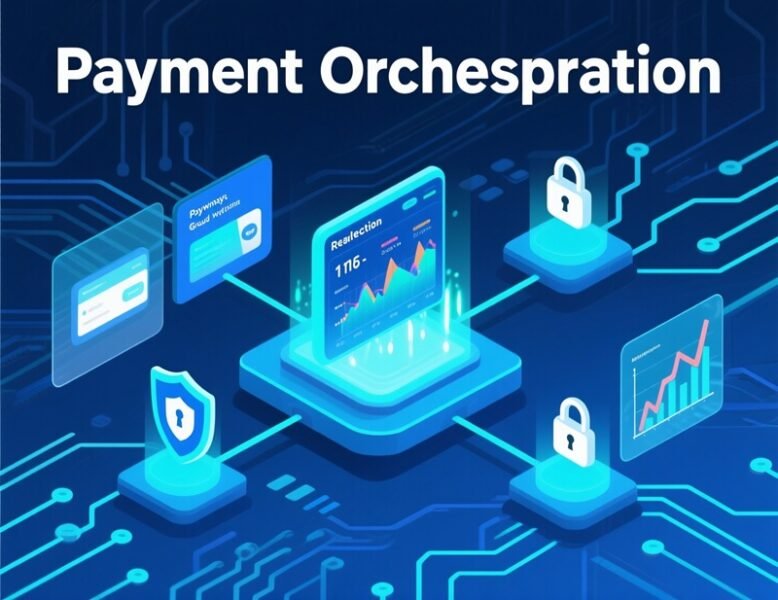
Payment orchestration acts as a central operating system for payments. It brings together different payment services and platforms in one place. Businesses no longer have to manage each system individually.
It also has analytics and security. It allows businesses to find risks early while keeping the customer experience easy.
How Can Analytics Reduce Risk
Analytics gives you insights into how your payments perform, helping spot potential issues before they happen. By analysing it, the businesses can make important decisions.
- Fraud Detection: Analytics can spot unusual patterns. It can be multiple failed transactions or risky transactions.
- Performance Monitoring: Comparing authorisation rates across payment systems helps identify the most dependable options.
- Chargeback Management: Analytics reveals common reasons for disputes. This helps businesses stop issues before they get out of hand.
With real-time insights, you can address risks quickly. It protects both your revenue and your customers’ trust.
Security as the Backbone
Analytics works best when combined with strong security measures. Payment orchestration platforms provide:
- Tokenization: Card details that are sensitive. They are replaced with secure tokens. It prevents misuse.
- Encryption: Data is kept secure during transmission to prevent it from being intercepted.
- Compliance: Platforms make sure they comply with standards such as PCI DSS.
- Authentication Tools: Methods such as 3D Secure and passkeys verify customer identity.
Security is not only about stopping fraud. It helps your customers feel confident when completing payments.
How Does Analytics and Security Work Together
When analytics and security combine within payment orchestration, risk management becomes more effective.
- Transactions flagged as unusual can trigger extra authentication steps.
- Failed attempts are analysed to improve fraud detection models.
- Secure data ensures that all analysis remains protected.
This continuous process helps businesses to prevent risks. It also allows businesses to optimize their payment processes continuously.
Benefits for Businesses and Customers
Combining analytics with strong security helps lower risks and delivers advantages.
- For businesses: They only have fewer losses from fraud, better authorisation rates, and lower operational costs.
- For customers: They benefit from faster checkouts, fewer declined payments, and confidence when sharing payment information.
Payment orchestration achieves this without making the process difficult for users. Security and convenience work together seamlessly.
Real-World Challenges Addressed
The payments world differs across regions, but many challenges are shared:
- United States: With so many card transactions and complex rules, strong fraud detection is a must.
- Europe: Consumers want easy experiences across borders. At the same time, regulations call for compliance and strong authentication.
- APAC and MENA: Markets that rely on mobile and have different payment methods need adaptable systems that accommodate local payment choices.
Payment orchestration platforms offer a central layer that adjusts to local regulations while keeping operations consistent.
How Does Payment Orchestration Work
Payment orchestration simplifies the difficult payment system.
- Central Platform: Brings together different payment systems and processors in a single platform.
- Transaction Routing: The platform selects the most efficient and cost-effective way.
- Fallbacks and Retries: If a transaction fails, it can be automatically redirected to complete successfully.
- Reporting: Companies receive detailed information to improve their payment processes.
- Security and Compliance: The system comes with built-in data protection and ensures regulatory compliance.
This system ensures that transactions are fast, secure, and easily performed.
Choosing the Right System
Businesses can build their own payment orchestration system or use a provider like Juspay.
- Using a provider: They are faster to set up and come with expert support.
- Building in-house: It offers full control. It also requires more time, cost and specialised skills.
They also offer extra features such as token orchestration, adaptive authentication and real-time analytics.
Future of Payment Orchestration
As digital payments continue to grow, the need for secure and easy transactions will increase. Payment orchestration will continue to play a central role.
Platforms that combine analytics with security give businesses the ability to act quickly and promote risk management. Customers enjoy these faster and safer payment options. Businesses benefit from fewer losses and better performance.
Conclusion
Payment orchestration is more than a convenience tool. It is a system that reduces risk while enhancing the customer experience. Analytics provides insight to detect threats. Security helps protect information and ensures all regulations are followed.
Together, they allow businesses to deliver safe payments. Payment orchestration helps to keep transactions secure, efficient, and reliable.