




Looking to invest in one of the iconic reformation dresses but not sure where to start? There is a distinct feeling that comes with unboxing a Reformation piece. It isn’t just about the silhouette or the often-imitated vintage floral prints; it’s the knowledge that you haven’t compromised your ethics for aesthetics.
For over a decade, the brand has marketed “killer clothes that don’t kill the planet,” and even now in 2026, they remain the benchmark for cool-girl sustainability. But if you are new to the brand, or perhaps looking to invest in your first reformation dress for a special occasion, navigating the fabrics, sizing quirks, and price points can be tricky.
I’ve spent years analyzing their collections—wearing them to weddings, brunches, and boardrooms—to bring you this honest, experience-based guide.
Why Reformation Dresses Dominate Sustainable Fashion
Why does this LA-based brand continue to sell out, drop after drop? It comes down to transparency and fit.
While many brands greenwash their labels, Reformation uses a “RefScale” to track the water and carbon footprint of every garment, aligning with broader expectations around sustainable fashion transparency. When you slip into one of their pieces, you aren’t just wearing a trend; you are wearing a verified lower-impact garment.
However, the real hook is the engineering. Reformation dresses are constructed to celebrate the female form. They use smocking (stretchy gathered fabric) in the back of bodices to accommodate different bust sizes, and their strategic slits are designed to elongate the legs without feeling overly revealing—usually.
Fabric Matters: Viscose, Silk, and Tencel
Before you hit “add to cart,” you must look at the fabric composition. This is the single biggest factor in how your dress will fit and how long it will last.
- Viscose/Rayon: This is their bread and butter. It’s a wood-pulp-based fiber that mimics the drape of silk but breathes like cotton. Pro-tip: Reformation’s “Eco-Viscose” is incredibly soft, but it will shrink if you introduce it to heat. Cold water only.
- Silk: Often used for their higher-end occasion wear. It feels luxurious and regulates temperature well.
- Tencel/Lyocell: My personal favorite for day-to-day wear. It’s durable, less prone to wrinkling than viscose, and has a lovely weight to it.
- Deadstock: Occasionally, you will find a reformation dress made from “deadstock” (leftover) fabric. These are limited runs, so if you see one you love, grab it immediately.
Top Silhouettes: From the Stasia to Bridal
Reformation releases new collections weekly, but a few key categories and specific cuts have reached icon status, especially when compared to other popular dress styles for women dominating modern wardrobes.
The Allure of the Reformation Stasia Silk Dress

If you are looking for elegance that transitions seamlessly from a cocktail hour to a black-tie event, the reformation stasia silk dress is a standout contender.
Unlike their more structured linen sundresses, the Stasia leans into fluidity. It usually features a flattering midi or maxi length with a bias cut. The bias cut is crucial—it means the fabric is cut at a 45-degree angle, allowing the silk to stretch naturally over your curves without zippers or buttons digging in.
Why it works: It offers a “liquid” look that photographs beautifully. It’s minimal but expensive-looking.
Choosing a Reformation Wedding Dress
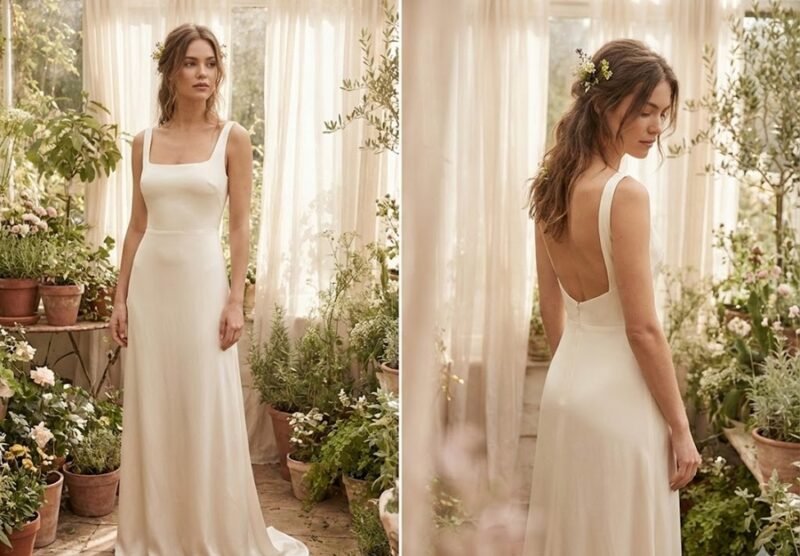
The bridal industry has shifted massively. In 2026, fewer brides are opting for stiff, heavy ballgowns, and more are looking for wearability and sustainability. Enter the reformation wedding dress.
Whether you are the bride looking for a reception gown, or you need something for a civil ceremony, their bridal collection balances romance with comfort. You won’t find corset boning that restricts your breathing here. instead, expect deep V-necklines, open backs, and sweeping skirts made of heavy-weight silk charmuese.
Expert Note: If you buy a bridal piece, budget for a tailor. While the waists fit true to size, the straps are often left slightly long to accommodate different torso heights.
The Essential Reformation White Dress

You don’t need to be getting married to rock a reformation white dress. A crisp white linen midi is a summer staple.
The brand excels at the “little white dress” by adding subtle details like lace inserts, puff sleeves, or corset-style bodices. Be warned: White linen can be slightly sheer. Always check the lining description or plan to wear nude, seamless undergarments.
The Honest Fit Guide: Sizing Tips
Sizing is the number one complaint I hear about online shopping, and Reformation has its quirks.
- The “Mini” is Short: If you are over 5’7″, their mini dresses might be tunic-length on you. Look for “tall” sizing options if available, or stick to midi lengths.
- Smocking is Your Friend: If you are between sizes, always choose a dress with a smocked back panel (shirring). It provides that extra inch of give that makes sitting down at dinner comfortable.
- Read the “Model Stats”: The product pages list the model’s height and size. Use this! If the hem hits the model at the ankle and she is 5’10”, it will likely be a floor-sweeper on someone who is 5’4″.
Care Instructions: Making Your Dress Last
Sustainability isn’t just about buying better; it’s about maintaining what you own. I have ruined a dress or two by ignoring the care label, so learn from my mistakes.
- The Steamer is Essential: Do not iron your viscose or silk dresses. The direct heat can crush the fibers or leave shiny marks. A handheld steamer is safer and more effective.
- Cold Wash or Dry Clean: Unless the tag explicitly says “Machine Wash,” assume it is Dry Clean Only. Viscose has a nasty habit of shrinking up to two sizes if washed in warm water.
- Storage: Hang your silk and viscose items to prevent deep creases. However, for heavy knit dresses, fold them to prevent the shoulders from stretching out.
Is It Worth the Investment?
With prices typically ranging from $180 to $400, a reformation dress is an investment.
Is it worth it? Yes, but with intentionality. If you are buying a trendy print that you’ll only wear once, the cost-per-wear is high. However, if you purchase a classic silhouette—like a black slip dress or a linen sundress—the quality holds up for years. Furthermore, the resale market for Reformation is robust. If you take care of your dress, you can often resell it for 40-60% of the original value on platforms like Poshmark or Depop.
Ultimately, Reformation proves that you don’t have to look like you’re wearing a burlap sack to care about the environment. It is fashion first, sustainability always.
FAQ : Reformation Dresses
Q: Do Reformation dresses run true to size?
A: Generally, yes, but they tend to run slightly small in the ribcage and waist. If you have a larger bust or are between sizes, it is often safer to size up, especially for fabrics with no stretch like rigid linen or 100% silk.
Q: Can I wash my Reformation dress in the washing machine?
A: It depends strictly on the fabric. Linen can usually be washed on a delicate cold cycle. However, most reformation dresses made of viscose or silk require dry cleaning to prevent shrinking or texture damage. Always check the care label inside the garment.
Q: Are Reformation dresses sustainable in 2026?
A: Yes. They remain a leader in the space by using deadstock fabrics, Tencel, and renewable plant-based fibers. They are also certified Climate Neutral and provide transparency regarding water and waste for every item produced.
Q: Does Reformation offer alterations?
A: If you shop in-store, many Reformation locations offer hem alterations (sometimes for free or a small fee depending on the garment). For online orders, you will need to visit a local tailor.
Author Bio
About the Author
Shivani Gupta is a fashion strategist and sustainability advocate with over 10 years of experience in the style industry. She specializes in helping women build high-quality, eco-conscious wardrobes. When she isn’t writing, she’s likely scouring vintage shops or steaming her silk dress collection.