
How to Lower Blood Pressure Naturally
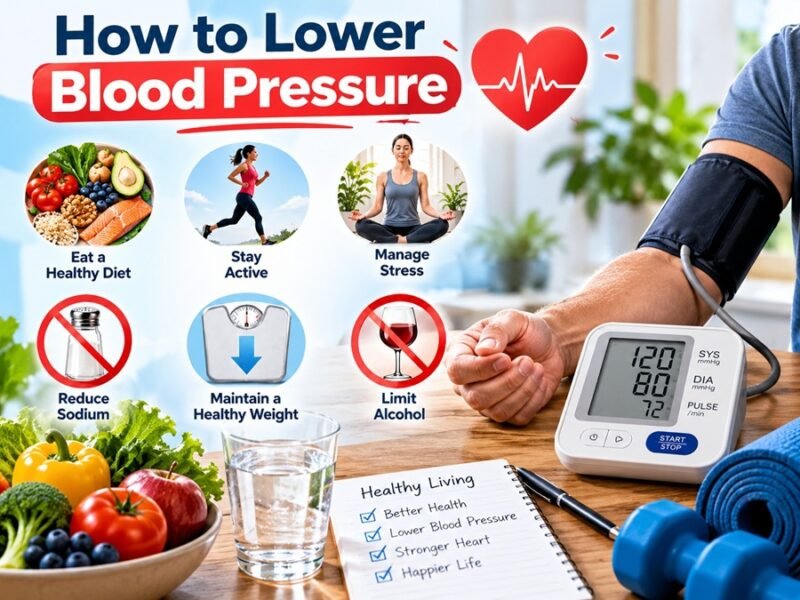
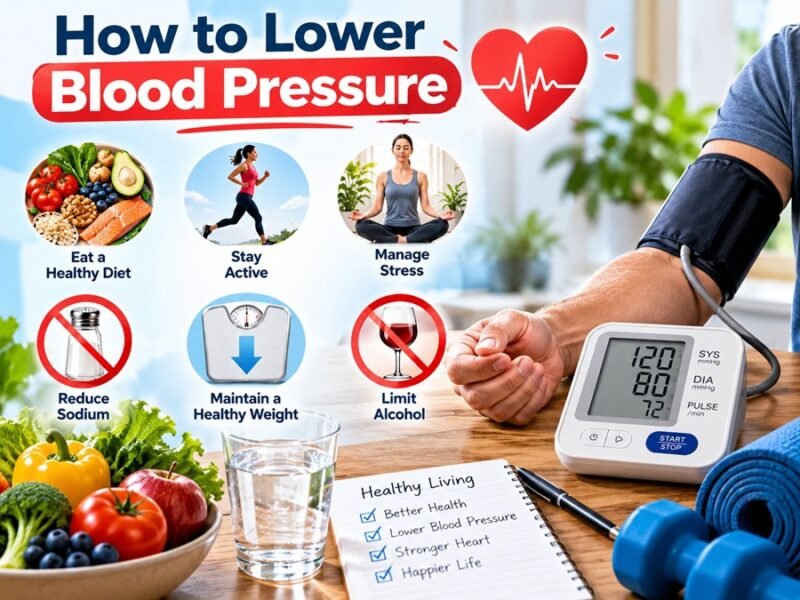
Quick answer: How to Lower Blood Pressure? You can lower blood pressure through a combination of regular physical activity, a diet low in sodium and rich in potassium, limiting alcohol, managing stress, maintaining a healthy weight, and getting consistent sleep. Small, sustained lifestyle changes often produce meaningful reductions in blood pressure over weeks and months, though some people may still need medication alongside these habits.
High blood pressure, also called hypertension, develops quietly. There’s no dramatic symptom that announces it. You simply go about your day while your heart works harder than it should, pushing blood against artery walls with more force than is healthy. Over time, that extra strain damages blood vessels and raises the risk of heart attack, stroke, and kidney disease.
The encouraging part is that blood pressure responds to lifestyle changes faster than many people expect. You don’t need a complete life overhaul to see results. You need a handful of consistent habits, applied with patience.
This guide walks through the most effective ways to lower blood pressure naturally, explains why each approach works, and helps you figure out which strategies deserve your attention first.
What Counts as High Blood Pressure?
Blood pressure is measured in two numbers: systolic (the pressure when your heart beats) over diastolic (the pressure between beats). A normal reading sits below 120/80 mmHg. Readings consistently at or above 130/80 mmHg are generally considered elevated or hypertensive, though your doctor’s specific thresholds may vary based on your health history.
If you’ve been told your blood pressure runs high, it’s worth tracking it regularly rather than relying on a single reading. Blood pressure fluctuates throughout the day based on stress, activity, caffeine, and even how recently you’ve eaten.
How Does Exercise Lower Blood Pressure?
Regular physical activity strengthens the heart, allowing it to pump blood with less effort. This reduced effort translates directly into lower pressure on artery walls.
Aerobic activities like brisk walking, cycling, swimming, and jogging are particularly effective. Aim for at least 30 minutes most days of the week. If that sounds like a lot, start smaller. A 10-minute walk after meals adds up, and consistency matters more than intensity when you’re just beginning.
Strength training also plays a role. Building muscle improves how your body uses insulin and manages blood sugar, both of which are connected to healthy blood pressure.
Choose walking or cycling if you’re new to exercise or managing joint pain, since these activities are lower impact and easier to sustain long-term. Choose a mix of cardio and strength training if you’ve already built an exercise habit and want to maximize cardiovascular benefits.
What Foods Help Lower Blood Pressure?
Diet plays one of the largest roles in blood pressure management, and a few specific changes make an outsized difference.
Cut Back on Sodium
Excess sodium causes your body to retain fluid, which increases blood volume and, in turn, blood pressure. Processed foods, canned soups, deli meats, and restaurant meals are often loaded with hidden sodium. Reading nutrition labels and cooking more meals at home gives you far more control over how much salt ends up on your plate.
Increase Potassium Intake
Potassium helps balance out the effects of sodium and eases tension in blood vessel walls. Bananas, sweet potatoes, spinach, beans, and avocados are all rich sources. Rather than reaching for supplements, prioritize whole foods first, since they come with fiber and other nutrients that support heart health.
Consider the DASH Diet
The DASH (Dietary Approaches to Stop Hypertension) diet was specifically designed to address blood pressure. It emphasizes fruits, vegetables, whole grains, lean proteins, and low-fat dairy while limiting saturated fat and added sugar. Many people find it easier to follow than restrictive diets because it doesn’t eliminate entire food groups.
Does Alcohol Affect Blood Pressure?
Yes. Drinking alcohol in excess raises blood pressure and can interfere with the effectiveness of blood pressure medications. Moderation makes a real difference here. That generally means up to one drink per day for women and up to two for men, though cutting back further or eliminating alcohol altogether tends to produce the most noticeable results for people with elevated blood pressure.
Can Stress Management Lower Blood Pressure?
Chronic stress keeps your body in a heightened state, releasing hormones like cortisol and adrenaline that temporarily raise blood pressure. When stress becomes constant rather than occasional, those temporary spikes can contribute to sustained hypertension.
Practices like deep breathing, meditation, and yoga activate your body’s relaxation response, counteracting the physical effects of stress. Even short daily sessions, five to ten minutes of focused breathing, can lower your resting heart rate and blood pressure over time.
Beyond formal relaxation techniques, consider what’s actually generating stress in your life. Chronic work pressure, financial strain, or relationship conflict often require more than breathing exercises to resolve. Addressing root causes, whether through boundary-setting, therapy, or lifestyle changes, tends to produce more durable results than coping strategies alone.
Why Does Weight Loss Lower Blood Pressure?
Carrying excess weight forces your heart to work harder to circulate blood through additional tissue. Losing even a modest amount of weight, around 5 to 10 pounds, can lead to a measurable drop in blood pressure for many people.
Choose gradual, sustainable weight loss if you’re managing blood pressure long-term, since crash diets often lead to regained weight and yo-yo effects on cardiovascular health. Focus on consistent habits: balanced meals, regular movement, and adequate sleep, rather than short-term restriction.
How Does Sleep Affect Blood Pressure?
Poor sleep disrupts the hormones that regulate blood pressure and stress response. People who consistently get less than seven hours of sleep per night tend to have higher rates of hypertension than those who sleep seven to nine hours.
Sleep apnea, a condition where breathing repeatedly stops and starts during sleep, is particularly linked to high blood pressure. If you snore heavily, wake up gasping, or feel exhausted despite a full night’s sleep, it’s worth discussing sleep apnea screening with your doctor.
When Should You See a Doctor About Blood Pressure?
Lifestyle changes are powerful, but they’re not always sufficient on their own. If your blood pressure remains elevated despite consistent effort with diet, exercise, and stress management, or if you experience symptoms like severe headaches, chest pain, shortness of breath, or vision changes, seek medical attention promptly. These symptoms can indicate a hypertensive crisis, which requires immediate care.
Regular checkups also matter even if you feel fine. Hypertension often has no symptoms until it causes significant damage, so routine monitoring is one of the simplest ways to catch problems early.
Start With One Change, Then Build From There
Lowering blood pressure doesn’t require perfection. It requires direction. Pick one area, whether that’s cutting sodium, adding a daily walk, or improving your sleep routine, and give it a few weeks before adding another habit. Small, compounding changes tend to stick better than attempting everything at once.
If you’re currently on blood pressure medication, talk with your doctor before making significant changes to your diet or exercise routine. Lifestyle improvements can sometimes reduce the dosage you need, but that adjustment should happen under medical supervision.
Your blood pressure numbers tell a story about your daily habits. The good news is that story can change, one consistent choice at a time.
Frequently Asked Questions
How long does it take to lower blood pressure naturally?
Some changes, like reducing sodium intake, can lower blood pressure within a couple of weeks. Others, like weight loss and consistent exercise, may take one to three months to show significant results. Consistency matters more than speed.
Can high blood pressure be reversed without medication?
For many people with mildly elevated blood pressure, lifestyle changes alone can bring numbers back into a healthy range. People with more severe hypertension often need medication alongside lifestyle changes to manage their condition safely.
What is the fastest way to lower blood pressure in the moment?
Slow, deep breathing for a few minutes can produce a temporary reduction in blood pressure by calming the nervous system. This isn’t a long-term solution, but it can help during a stressful moment.
Is salt the main cause of high blood pressure?
Sodium is a major contributing factor, but blood pressure is influenced by multiple variables, including genetics, weight, stress, alcohol use, and physical activity. Addressing sodium alone without considering these other factors may not produce the full results you’re looking for.
Who is at the highest risk for high blood pressure?
Risk increases with age, family history of hypertension, obesity, high sodium diets, sedentary lifestyles, and chronic stress. People managing diabetes or kidney disease also face elevated risk and should monitor blood pressure closely.