



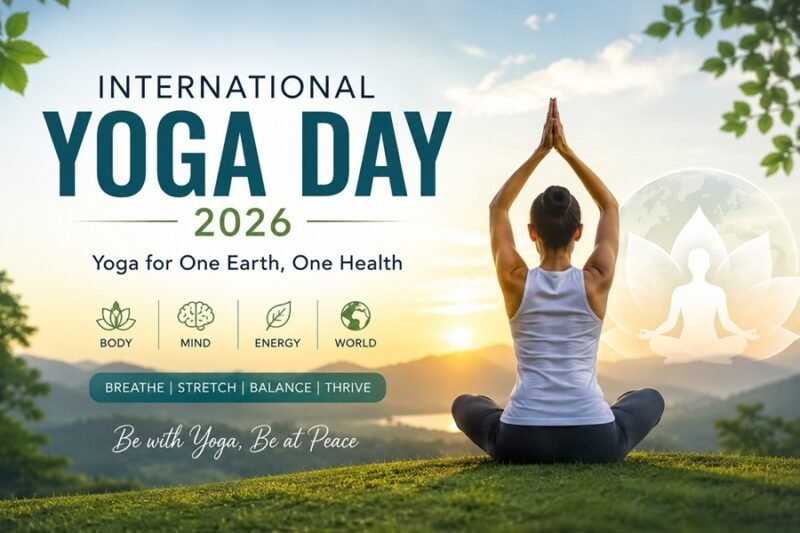
Imagine waking up on June 21 feeling stronger, calmer, and more connected to your body and mind. That’s the promise of International Yoga Day 2026. As the world comes together to honour this ancient practice, the focus this year is especially powerful: Yoga for Healthy Ageing.
Whether you’re a complete beginner, a busy professional, a student, or someone in your golden years, this day is your invitation to start (or deepen) a journey that science increasingly proves can transform your health at every stage of life.
What is International Yoga Day?
International Yoga Day (also called International Day of Yoga or IDY) is a global observance held every year on June 21 — the summer solstice. It was created to raise awareness about yoga’s holistic benefits for physical, mental, and spiritual well-being.
The day encourages people of all ages, backgrounds, and fitness levels to experience yoga’s power. From massive public events in India to small home practices worldwide, it has become one of the most inclusive health movements on the planet. In 2026, the 12th edition shines a spotlight on how yoga supports healthy ageing — helping people stay active, independent, and joyful longer.
History and Origin of International Yoga Day
The journey began in September 2014 when Prime Minister Narendra Modi addressed the United Nations General Assembly and proposed dedicating a day to yoga. Just 75 days later, on December 11, 2014, the UN General Assembly adopted Resolution 69/131 with a record 177 co-sponsoring countries — the highest ever for such a resolution.
The first International Yoga Day was celebrated on June 21, 2015. The date was chosen deliberately: the summer solstice symbolises light, balance, and renewal in many cultures. What started as India’s gift to the world has now grown into a truly global celebration embraced by governments, the WHO, schools, corporations, and millions of individuals.
Why Yoga is Important in Modern Life
Modern life is fast, stressful, and often sedentary. We sit for hours, scroll endlessly, and juggle endless demands. The result? Rising rates of anxiety, back pain, poor sleep, and lifestyle diseases.
Yoga offers a simple, accessible antidote. It combines gentle movement, breath control, and mindfulness in one practice. Unlike high-impact workouts that can strain joints (especially as we age), yoga builds strength and flexibility while calming the nervous system. With over 300 million people practicing yoga worldwide, it has moved from ancient tradition to mainstream wellness essential.

Top 10 Health Benefits of Practicing Yoga
Recent research and meta-analyses confirm what practitioners have known for centuries:
- Reduces stress and lowers cortisol levels
- Improves flexibility, balance, and posture
- Strengthens muscles and supports joint health
- Lowers blood pressure (recent 2026 meta-analysis showed average drops of 4.35 mmHg systolic)
- Enhances sleep quality
- Supports heart and lung health
- Boosts mental clarity and focus
- Helps manage anxiety and depression symptoms
- Aids healthy weight management
- Promotes emotional resilience and better relationships
Physical Benefits of Yoga
Yoga is a full-body practice. Regular sessions improve cardiovascular endurance, muscular strength, and mobility. For older adults, it’s particularly valuable because it enhances balance and reduces fall risk — key factors in healthy ageing.
Studies show yoga helps manage chronic conditions like arthritis, lower back pain, and metabolic syndrome. It also supports better breathing and lung capacity through pranayama (breathwork).
Mental and Emotional Benefits of Yoga
Yoga is medicine for the mind. Systematic reviews and meta-analyses (including 2026 studies) show significant reductions in stress (effect size -0.54), anxiety (-0.52), and depression (-0.50).
The combination of movement, breath awareness, and meditation rewires the brain toward calm. Many practitioners report better emotional regulation, improved mood, and greater life satisfaction. In our high-pressure world, this mental reset is priceless.
Popular Yoga Poses for Beginners
You don’t need to be flexible or fit to start. Here are beginner-friendly poses you can try today:
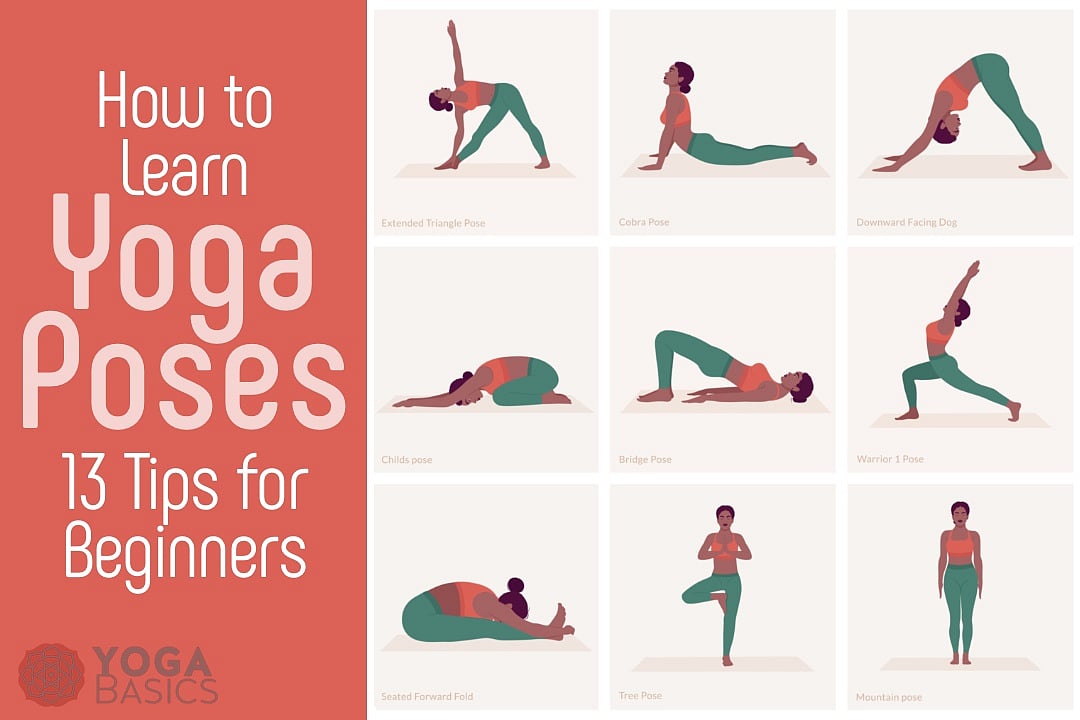
Hold each pose for 5–10 breaths. Listen to your body — never force.
International Yoga Day 2026 Theme and Significance
The official theme for International Yoga Day 2026 is “Yoga for Healthy Ageing” (Swasth Ayu Ke Liye Yoga).
As global life expectancy rises, the challenge is not just living longer but living better. This theme highlights yoga’s role in maintaining mobility, mental sharpness, independence, and dignity at every age. It encourages people to make yoga a lifelong habit — not just a one-day event.
The Ministry of Ayush has also launched the Yoga 365 initiative, inspiring daily practice throughout the year so the benefits of June 21 extend into lifelong wellness.
How India Celebrates Yoga Day
India, the birthplace of yoga, celebrates with unmatched scale and enthusiasm. In 2026, the main national event is being held in Kolkata at the historic Red Road, led by Prime Minister Narendra Modi.
Preparations included the “Gangotri to Gangasagar: Ganga Tat Yoga Yatra,” “Daud Se Dhyan” runs, “Vande Yogam” cultural programmes, and ambitious attempts at Guinness World Records (including mass yoga on boats along the Hooghly). Cities across the country host free classes, school programmes, and community events. The Common Yoga Protocol — a simple 30–45 minute sequence — is practiced by millions simultaneously.
Global Impact of Yoga and Wellness Movement
Yoga has become a powerful tool of cultural diplomacy and public health. The WHO recognises it as a holistic practice supporting physical function, mental well-being, and social connectedness. Events are held at the United Nations, in Times Square (“Solstice in Times Square”), and in thousands of cities worldwide.
The global yoga economy continues to grow rapidly, reflecting rising demand for mind-body wellness. From corporate wellness programmes to school curricula, yoga is helping address modern health challenges on a massive scale.
Tips for Starting a Daily Yoga Routine
- Start small — even 10–15 minutes daily is powerful.
- Choose a consistent time (morning is ideal for energy and focus).
- Use free apps or YouTube channels for guided beginner sessions.
- Focus on breath — it’s the bridge between body and mind.
- Practice on a non-slip mat in a quiet space.
- Join a local class or online community for accountability.
- Track how you feel after a week — most people notice better sleep and mood quickly.
The Yoga 365 movement encourages making yoga part of your daily rhythm, not just an annual event.
Common Yoga Mistakes to Avoid
- Pushing too hard or comparing yourself to others (or online influencers).
- Skipping warm-up or cool-down.
- Holding breath during poses.
- Ignoring alignment — proper form prevents injury.
- Practicing right after heavy meals.
- Neglecting rest days or listening to pain signals.
Remember: yoga is a practice of self-awareness, not perfection.
Expert Advice for Beginners
Start where you are. Consistency beats intensity. Many experts recommend beginning with gentle styles like Hatha or Yin yoga before progressing to more dynamic forms.
If you have health conditions, consult a doctor and look for classes labelled “gentle,” “senior,” or “therapeutic.” Qualified instructors can modify poses for your body. The goal is progress, not performance.
Frequently Asked Questions (FAQs)
What is the theme of International Yoga Day 2026?
The official theme is “Yoga for Healthy Ageing,” focusing on how yoga supports vitality, mobility, and well-being throughout life.
When is International Yoga Day celebrated?
Every year on June 21, the summer solstice.
Can beginners practice yoga on International Yoga Day?
Absolutely! Events worldwide offer beginner-friendly sessions. The Common Yoga Protocol is designed to be accessible to almost everyone.
How long should a beginner practice yoga daily?
Start with 15–20 minutes. Even short daily sessions deliver noticeable benefits within weeks.
Is yoga only for flexible people?
No. Yoga improves flexibility over time. Many poses can be modified with props or seated variations.
Does yoga help with stress and anxiety?
Yes. Multiple meta-analyses confirm yoga significantly reduces stress, anxiety, and depressive symptoms.
What should I wear and bring to a yoga session?
Comfortable, stretchy clothes and a yoga mat. Optional: water bottle and small towel.
Can older adults safely practice yoga?
Yes — and it’s highly recommended. Many studies show yoga improves balance, strength, and quality of life in older people when practiced appropriately.
Conclusion and Key Takeaways
International Yoga Day 2026 is more than a celebration — it’s a global reminder that we all have the power to invest in our health, no matter our age or background. With the inspiring theme of Yoga for Healthy Ageing, this year invites every one of us to embrace yoga as a lifelong companion for strength, peace, and vitality.
The science is clear: regular practice improves body and mind. The tradition is ancient, yet perfectly suited for modern challenges. And the community is welcoming.
Your next step is simple: Roll out a mat (or use a towel), take a deep breath, and begin. Whether you join a mass event in Kolkata, practice at home, or attend a local class, you’re participating in one of humanity’s most beautiful gifts to itself.
Start today. Your future self — stronger, calmer, and healthier — will thank you.
Ready to begin your yoga journey? Share this post with someone who needs it, commit to 7 days of practice, or explore the Yoga 365 initiative. The mat is waiting. Namaste. 🧘♀️