



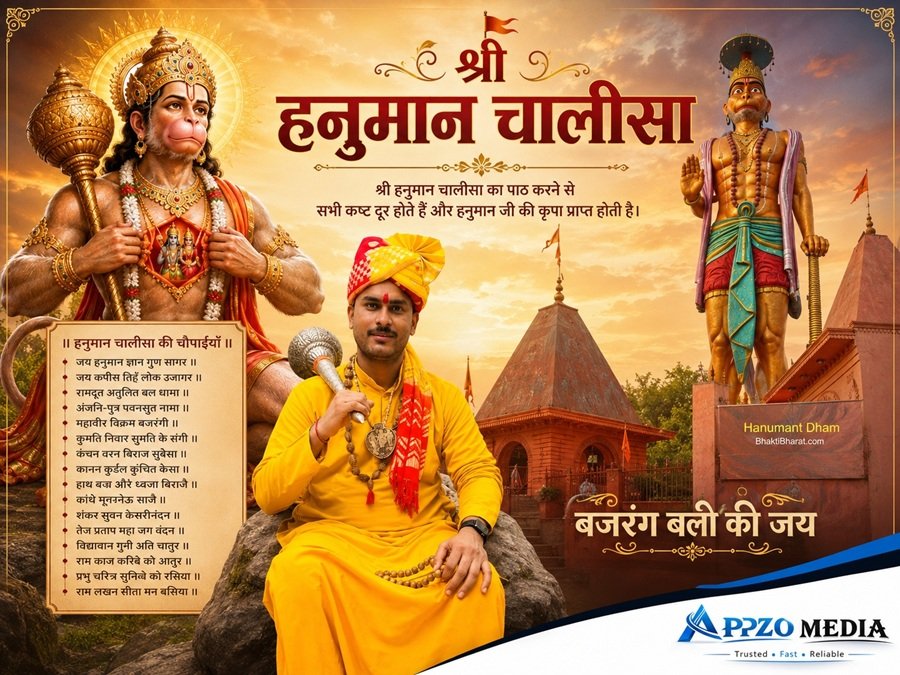
Tucked away in the Barola locality of Sector 49, Noida, Shri Hanuman Dham has quietly become one of the most visited Hanuman temples in the National Capital Region. The first time I visited, I was struck by something unexpected. It wasn’t the massive Hanuman idol, though that’s certainly impressive. It was the sense of calm you feel the moment you enter, even when dozens of devotees are already there at sunrise.
If you’re looking for a place of genuine spiritual refuge without the chaos of larger temple complexes, Hanuman Dham delivers exactly that. Whether you’re a regular devotee, someone exploring local temples, or visiting Noida for the first time, this guide covers everything you need for a meaningful visit.
Shri Hanuman Dham is located in Barola, Sector 49, Noida, about 25 kilometers from Delhi. The temple is open daily, with peak visiting hours from 6 AM to 12 PM and 4 PM to 8 PM. Tuesdays and Saturdays attract the largest crowds due to Hanuman worship traditions. Entry is completely free. You can reach it via Noida’s metro network followed by a 10-15 minute auto ride, or direct by cab in 45 minutes from central Delhi. The temple features a large Hanuman idol, has basic parking and drinking water facilities, and is known for its peaceful atmosphere away from commercial tourist spots.
About Shri Hanuman Dham Mandir, Sector 49 Noida
Shri Hanuman Dham isn’t what you’d call a historic temple. It doesn’t have centuries of stories or royal patronage. What it has instead is authenticity.
The temple was established to serve the growing population of Sector 49 and nearby residential areas who needed a dedicated space for worship without traveling across the city. It’s managed by the Shree Hanuman Mandir Trust, a local organization focused on maintaining the sanctity of the space and ensuring quality spiritual experiences for visitors.
The centerpiece is undoubtedly the large Hanuman idol. Standing prominently in the main sanctum, it captures attention immediately. Unlike some temples that try to cater to every deity imaginable, Hanuman Dham keeps its focus singular. Hanuman worship. That’s it. That clarity of purpose is part of why locals respect this place.
The temple runs with minimal commercial activity. No loud vendors, no aggressive donation pushes, no pseudo-spiritual merchandise shops. Just a straightforward place where people come to pray, recite the Hanuman Chalisa, and seek blessings. This is intentional, and it shows in how the space feels.
Sector 49 itself has expanded significantly over the past decade. The locality now has schools, offices, apartment complexes, and shopping centers. Hanuman Dham has maintained its quiet character despite the urban growth around it, which is why it remains special to those who know about it.
Who Is Hanuman Ji and Why Visit His Temples
Before understanding Hanuman Dham specifically, understanding Hanuman Ji matters. Because the devotion people bring to temples like this starts with who Hanuman represents.
Hanuman is arguably Hinduism’s most relatable deity. Not because he’s the most powerful, though he certainly is, but because he embodies qualities we all struggle to develop: unwavering loyalty, genuine humility, raw courage, and the ability to overcome seemingly impossible odds.
In the Ramayana, Hanuman’s defining moment comes when he crosses the ocean to reach Lanka. No superpower helps him. No divine shortcut appears. He simply makes an impossible journey because someone he loves needs him. That’s what makes his story resonate. It’s about commitment and belief, not miraculous intervention.
People visit Hanuman temples like Hanuman Dham for specific reasons. Some come seeking strength during health crises. Others arrive before major life decisions, hoping for courage. Many make Tuesday or Saturday visits a routine, building Hanuman worship into their weekly spiritual practice.
The belief isn’t always explicitly stated, but it’s consistent: Hanuman’s qualities are transferable. His courage can become yours. His determination can steady your resolve. His loyalty can teach you how to show up for people who matter.
Whether you approach this from a religious perspective or view it as the power of intention and belief, Hanuman temples provide space for that work. Hanuman Dham is one of those spaces.
Location and Geographic Details
Sector 49, Noida sits in the eastern part of the Noida Metropolitan Area, roughly 25-30 kilometers from central Delhi and about 8 kilometers from Panipat (if you’re traveling from Haryana).
Barola, the specific locality where Hanuman Dham is located, is a residential pocket that’s become increasingly populated. It’s not a well-known area for outsiders, which is actually part of its charm. You won’t find it mentioned in major tourism guides, which keeps it relatively undiscovered.
The coordinates are approximately 28.5574 degrees North latitude and 77.3689 degrees East longitude, if you’re plugging this into your GPS. Nearby landmarks that help with navigation include the Sector 49 Market, various residential apartments, and local schools.
What makes the location strategic is its position between Delhi and Ghaziabad. If you’re traveling from either direction, reaching this area isn’t complicated. The road networks are well-developed, and auto-rickshaws and cabs operate regularly.
During rush hours (7-10 AM and 5-8 PM), traffic can build up in Sector 49 like anywhere else in NCR, so plan accordingly if you’re driving or taking a cab.
Temple Highlights
- Large Hanuman Idol – The centrepiece of the temple and its main draw for visitors and devotees from across Noida and neighbouring areas
- Regular Prayers and Aarti – Daily rituals draw steady footfall, with a noticeable rise on Tuesdays and Saturdays, days traditionally associated with Hanuman Ji worship
- Festival Celebrations – The temple sees especially high attendance during Hanuman Jayanti, Ram Navami, and other major Hindu festivals
- Community Facilities – Basic amenities like parking, drinking water, and seating are generally available for visitors, as is common with most well-established temple complexes in the region
How to Reach Hanuman Dham by Different Routes
Getting to Hanuman Dham depends entirely on where you’re coming from and what transport you prefer. Here are the realistic options.
By Metro and Auto-Rickshaw (Most Economical)
Step 1: Take the Blue Line metro toward Noida City Centre or Sector 52.
Step 2: Get off at Sector 52 station. This is the closest metro stop to Hanuman Dham Sector 49.
Step 3: Exit the metro and look for auto-rickshaws near the station. Tell the driver you need to reach Hanuman Dham, Barola, Sector 49. Most drivers in the area know the location.
Step 4: The ride takes 10-15 minutes depending on traffic. Budget around 50-100 rupees for the auto fare.
Total time from central Delhi: Approximately 50-60 minutes including metro wait time.
Tip: Download a ride-sharing app like Uber or Ola before boarding the metro. You can book the auto ride in advance to avoid waiting.
By Cab or Ride-Sharing (Most Convenient)
If you’re coming from Delhi, booking a cab directly from your starting point is the fastest option.
From Karol Bagh (central Delhi): 45 minutes, approximately 300-400 rupees. From Delhi Airport: 75-90 minutes, approximately 600-800 rupees. From Gurgaon: 90-120 minutes depending on traffic.
Use Uber, Ola, or other ride-sharing apps. Enter “Hanuman Dham, Barola, Sector 49, Noida” as your destination. Drivers typically understand this location, though some may ask for directions once you reach Sector 49.
By Personal Car or Bike
If you have your own vehicle, take the Delhi-Noida Expressway or NH119. From Delhi, follow signs toward Noida and exit at Sector 49. Once in Sector 49, use Google Maps or your GPS with the temple coordinates (28.5574, 77.3689).
Parking: The temple has a basic parking area. Space can be limited during peak times (Tuesday and Saturday mornings), but parking is rarely a problem outside these windows.
By Bus (Budget Option)
Local buses operate from Noida City Centre to various Noida sectors. The frequency is good, but buses get crowded. Not recommended unless you enjoy public transport adventures. A bus ride would add 30-45 minutes to your journey depending on stops.
Tip: Since exact routes and the nearest metro station can vary depending on ongoing infrastructure changes, it’s a good idea to check a live map app closer to your visit for the most accurate directions.
Best Time to Visit: Days, Hours, and Seasons
Choosing when to visit significantly shapes your experience. Here’s what to know.
By Day of the Week
Tuesdays and Saturdays: These are the traditional days for Hanuman worship. Expect 3-5 times more devotees than usual. The energy is electric, especially during morning hours. If you want the full communal experience, this is your day.
Weekdays (Monday, Wednesday-Friday): Noticeably quieter. Mornings are still active, but afternoons are genuinely peaceful. If you prefer meditative silence, come on a Wednesday afternoon.
Sundays: Moderately busy. Families visit after other weekend activities. The atmosphere is relaxed without being isolating.
By Time of Day
6-7 AM: The magic hours. Sunrise prayer, fresh energy, minimum crowds, and ideal lighting for photos if that matters to you.
8-10 AM: Peak time on any day. Aarti happens, more devotees arrive, but it’s still manageable without feeling overwhelming.
12-4 PM: The temple is open but quieter. Good for longer meditation or sitting with your thoughts.
4-6 PM: Evening aarti draws people again. Slightly less crowded than morning but still active.
6-8 PM: Final rush before closing. Less crowded than morning but more crowded than afternoon.
By Season
Winter (October-February): Ideal visiting season. Weather is pleasant, mornings are crisp and energizing, and you won’t overheat during prayer or meditation.
Summer (March-May): Hot and humid. Morning visits become necessary. By 11 AM, the temple’s courtyard becomes uncomfortably warm. Water consumption increases significantly.
Monsoon (June-September): Rain can affect accessibility, especially on heavy downpour days. The temple doesn’t close, but surrounding areas can get waterlogged. Go only if the weather forecast shows clear skies.
Temple Timings and Aarti Schedule
The temple maintains regular schedules that make planning easier.
Daily Timings
The temple is generally open from 6 AM to 8 PM every single day. These hours accommodate early morning prayers and evening worship routines. Plan your visit within these windows.
Aarti Times
Morning aarti typically occurs between 7-7:30 AM. This is when the temple comes alive. Bells chime, devotees chant, and the sanctum is fully decorated with flowers and incense.
Evening aarti happens around 6-6:30 PM. It’s less crowded than the morning version but equally meaningful.
On festival days (Hanuman Jayanti, Diwali, Ram Navami), special rituals occur and timings may shift. It’s worth calling ahead if you’re coming for a specific festival celebration.
Holiday closures are rare, but worth confirming before visiting on national holidays.
Contact the temple trust directly through local numbers if you need specific information about festival schedules.
What to Expect: Facilities and Amenities
Honesty about facilities helps set proper expectations.
Available Facilities
Drinking water: Provided free. Quality is decent, with both regular taps and coolers available.
Seating: The courtyard has basic stone seating. During peak times, this fills up. Standing is common and comfortable enough.
Parking: Basic parking area available. Capacity is limited to maybe 15-20 vehicles. It fills during peak hours but remains available most other times.
Restrooms: Basic facilities are present. Cleanliness is maintained, though standards are simple rather than sophisticated.
Flower and incense availability: A small counter near the entrance sells offerings at reasonable prices. Pre-made garlands are available.
What’s NOT Available
ATM: None on the temple premises. The nearest ATM is in the Sector 49 Market area, about 5-10 minutes away.
Food: No temple canteen or food stall. You won’t find prasad distribution in the formal sense. Bring water and light snacks if you plan a longer visit.
Shopping: No souvenir shops or spiritual merchandise marts. This is intentional.
Accommodation: No lodging. Sector 49 has hotels, but they’re several kilometers away.
Photography permissions: Indoor photography in the main sanctum is restricted. Outdoor courtyard photography is typically allowed but check with temple staff on specific days.
Why Devotees Visit Hanuman Temples
Understanding why people visit helps you understand what the experience offers.
Hanuman temples serve as anchors during difficult periods. Someone dealing with health anxiety might visit every Tuesday, finding comfort in the ritual and the environment. A person facing a major career decision might spend 30 minutes in prayer here before accepting or rejecting a job offer.
The reasons vary individually, but patterns emerge. Devotees commonly cite seeking strength during personal challenges. This isn’t magical thinking. It’s about accessing your own reservoir of courage by connecting with Hanuman’s qualities through worship.
Anxiety and health concerns bring many visitors. Not because the temple “cures” these conditions, but because the act of visiting, praying, and sitting in a peaceful space provides psychological relief. The mind and body respond to intention and atmosphere.
Community matters too. Regular visitors recognize each other. There’s an unspoken brotherhood among Hanuman devotees. You might not exchange names, but you share a space and a practice.
Spiritual discipline is another draw. Making Tuesday or Saturday visits non-negotiable helps people build consistency into their spiritual practice. This regularity itself becomes transformative over time.
Comparison: Hanuman Dham vs Other Noida Temples
Noida has several notable temples. How does Hanuman Dham stack up?
| Aspect | Hanuman Dham Sector 49 | Radha Krishna Temple Sector 37 | Shiva Temple Sector 50 | Durga Mandir Sector 15 |
|---|---|---|---|---|
| Focus | Hanuman exclusive | Multiple deities | Shiva centric | Durga centric |
| Crowd Level | Low to Medium | High | Medium | High |
| Atmosphere | Peaceful, focused | Vibrant, commercial | Traditional | Festival-oriented |
| Facilities | Basic but adequate | Modern facilities | Good facilities | Excellent facilities |
| Parking | Limited | Moderate | Good | Very good |
| Accessibility | Moderate (need auto) | Direct bus route | Direct auto route | Main road access |
| Best For | Quiet worship, Hanuman devotees | Large gatherings | Meditation | Festival celebrations |
| Suggested Visit Duration | 30-60 minutes | 60-120 minutes | 45-90 minutes | 60-120 minutes |
| Donation Pressure | Minimal | Moderate | Minimal | High |
| Food/Prasad | Limited | Available | Limited | Available |
The key difference: Hanuman Dham prioritizes simplicity and focus. Other temples offer more amenities but with greater crowds and commercialization. Choose based on what you’re seeking in your visit.
Shree Hanuman Chalisa (श्री हनुमान चालीसा)
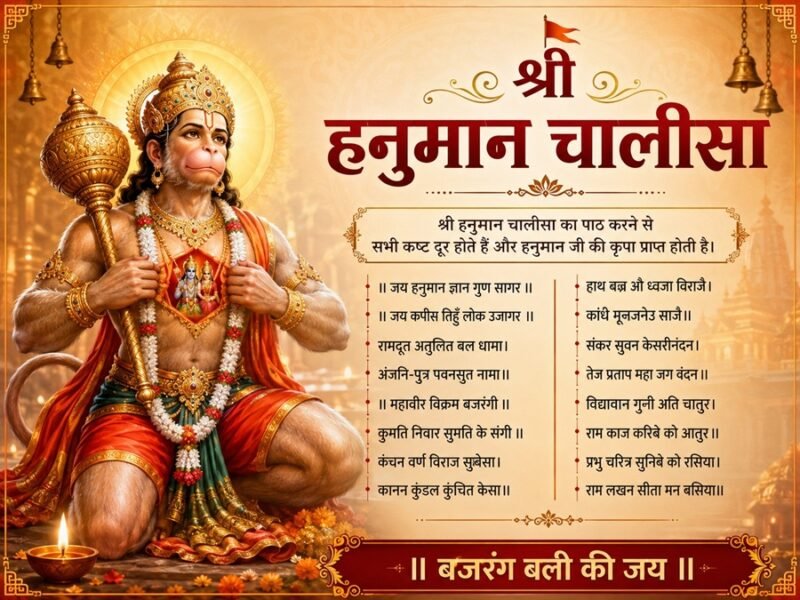
The Hanuman Chalisa, composed by the poet-saint Tulsidas, is one of the most widely recited devotional hymns dedicated to Hanuman Ji. Many devotees recite it daily, especially on Tuesdays and Saturdays, as a way of seeking Hanuman Ji’s blessings, strength, and protection.
॥ दोहा ॥
श्रीगुरु चरन सरोज रज, निज मनु मुकुरु सुधारि। बरनउं रघुबर बिमल जसु, जो दायकु फल चारि॥
बुद्धिहीन तनु जानिके, सुमिरौं पवन-कुमार। बल बुधि विद्या देहु मोहिं, हरहु कलेस बिकार॥
॥ चौपाई ॥
जय हनुमान ज्ञान गुन सागर। जय कपीस तिहुँ लोक उजागर॥
राम दूत अतुलित बल धामा। अंजनि-पुत्र पवनसुत नामा॥
महाबीर बिक्रम बजरंगी। कुमति निवार सुमति के संगी॥
कंचन बरन बिराज सुबेसा। कानन कुंडल कुंचित केसा॥
हाथ बज्र औ ध्वजा बिराजै। काँधे मूँज जनेऊ साजै॥
संकर सुवन केसरीनंदन। तेज प्रताप महा जग बंदन॥
विद्यावान गुनी अति चातुर। राम काज करिबे को आतुर॥
प्रभु चरित्र सुनिबे को रसिया। राम लखन सीता मन बसिया॥
सूक्ष्म रूप धरि सियहिं दिखावा। बिकट रूप धरि लंक जरावा॥
भीम रूप धरि असुर सँहारे। रामचंद्र के काज सँवारे॥
लाय सजीवन लखन जियाये। श्रीरघुबीर हरषि उर लाये॥
रघुपति कीन्ही बहुत बड़ाई। तुम मम प्रिय भरतहि सम भाई॥
सहस बदन तुम्हरो जस गावैं। अस कहि श्रीपति कंठ लगावैं॥
सनकादिक ब्रह्मादि मुनीसा। नारद सारद सहित अहीसा॥
जम कुबेर दिगपाल जहाँ ते। कबि कोबिद कहि सके कहाँ ते॥
तुम उपकार सुग्रीवहिं कीन्हा। राम मिलाय राज पद दीन्हा॥
तुम्हरो मंत्र बिभीषन माना। लंकेस्वर भए सब जग जाना॥
जुग सहस्र जोजन पर भानू। लील्यो ताहि मधुर फल जानू॥
प्रभु मुद्रिका मेलि मुख माहीं। जलधि लाँघि गये अचरज नाहीं॥
दुर्गम काज जगत के जेते। सुगम अनुग्रह तुम्हरे तेते॥
राम दुआरे तुम रखवारे। होत न आज्ञा बिनु पैसारे॥
सब सुख लहै तुम्हारी सरना। तुम रच्छक काहू को डर ना॥
आपन तेज सम्हारो आपै। तीनों लोक हाँक तें काँपै॥
भूत पिसाच निकट नहिं आवै। महाबीर जब नाम सुनावै॥
नासै रोग हरै सब पीरा। जपत निरंतर हनुमत बीरा॥
संकट तें हनुमान छुड़ावै। मन क्रम बचन ध्यान जो लावै॥
सब पर राम तपस्वी राजा। तिन के काज सकल तुम साजा॥
और मनोरथ जो कोई लावै। सोइ अमित जीवन फल पावै॥
चारों जुग परताप तुम्हारा। है परसिद्ध जगत उजियारा॥
साधु संत के तुम रखवारे। असुर निकंदन राम दुलारे॥
अष्ट सिद्धि नौ निधि के दाता। अस बर दीन जानकी माता॥
राम रसायन तुम्हरे पासा। सदा रहो रघुपति के दासा॥
तुम्हरे भजन राम को पावै। जनम जनम के दुख बिसरावै॥
अंतकाल रघुबर पुर जाई। जहाँ जन्म हरिभक्त कहाई॥
और देवता चित्त न धरई। हनुमत सेइ सर्ब सुख करई॥
संकट कटै मिटै सब पीरा। जो सुमिरै हनुमत बलबीरा॥
जय जय जय हनुमान गोसाईं। कृपा करहु गुरुदेव की नाईं॥
जो सत बार पाठ कर कोई। छूटहि बंदि महा सुख होई॥
जो यह पढ़ै हनुमान चालीसा। होय सिद्धि साखी गौरीसा॥
तुलसीदास सदा हरि चेरा। कीजै नाथ हृदय मह डेरा॥
॥ दोहा ॥
पवनतनय संकट हरन, मंगल मूरति रूप। राम लखन सीता सहित, हृदय बसहु सुर भूप॥
Expert Tips for an Enriching Visit
These tips come from regular visitors and temple staff experience.
Go during the monsoon break if possible. October-November combines comfortable weather with lower post-monsoon crowds. It’s the sweet spot for visiting.
Bring a small notebook if you meditate. Some visitors use the practice of writing intentions or reflections after prayer. It deepens the experience and gives you something tangible to take home.
Recite the Hanuman Chalisa during your visit, even just one verse. You don’t need to memorize the entire 40 verses. Even reciting a single verse with attention and intention creates a stronger connection than silent prayer alone.
Arrive early if it’s your first visit. Coming at 6:15 AM gives you time to observe without time pressure. You’ll understand the layout, see how aarti works, and feel the space’s genuine energy before other visitors arrive.
Ask the temple attendant about specific rituals if you’re curious. Most staff members are patient with genuine questions. Learning the “why” behind rituals deepens your appreciation.
Make it a routine if you’re experiencing a challenging period. Commit to visiting every Tuesday or Saturday for 40 days. This consistency itself becomes powerful. You’ll notice the impact after three weeks.
Sit for 5 minutes of silent meditation after your prayer. Most visitors rush in and out. Sitting quietly afterward lets the experience settle into your system.
Go with intention, not obligation. Visiting out of ritual is fine, but visiting with a specific purpose (seeking courage before an interview, praying for someone’s health) makes the experience more potent.
Common Mistakes First-Time Visitors Make
Learning from others’ mistakes prevents frustration.
Expecting extensive facilities like major temples. Hanuman Dham is intentionally simple. If you’re hoping for a modern complex with shops, food courts, and premium amenities, you’ll be disappointed. That’s actually the point.
Visiting during peak hours without expecting crowds. A Tuesday morning at 8 AM is busy. Many first-timers show up expecting peaceful solitude and find themselves in the middle of 50-100 people. Go Tuesday evenings or Wednesday mornings for the Hanuman experience without the crowd density.
Not bringing water or snacks for longer visits. If you plan to sit and meditate for 90 minutes, bring water. The temple provides it, but you might prefer your own. There’s no food available, so long visits require prior planning.
Leaving valuables in a vehicle during peak hours. The parking area isn’t heavily supervised. If you’re visiting and leaving a car unattended, don’t leave phones, wallets, or electronics visible inside.
Wearing overly revealing or disrespectful clothing. This is a Hindu temple, and certain dress codes are expected. Shorts should be knee-length or longer. Women should avoid sleeveless tops. Removing footwear before entering the sanctum is required.
Taking photos without asking permission first. Always ask the temple staff before photographing. Some areas are off-limits, especially during aarti.
Coming with unrealistic expectations about outcomes. Visiting a temple isn’t a transaction. You don’t pray once and expect miracles. The value emerges from repeated practice and genuine devotion over time.
Assuming you know the layout and getting lost. Sector 49 has winding roads. Use Google Maps until you’re physically at the temple gates. Even directions from locals can be confusing.
Benefits of Regular Hanuman Worship
Research on ritual practice and spirituality points to real benefits beyond faith alone.
Mental clarity improves with consistent meditation. Whether meditation happens at a temple or at home, regular practice sharpens decision-making. Hanuman devotees report better clarity when facing difficult choices.
Anxiety and stress reduce measurably. The act of entering a peaceful space, removing external pressures temporarily, and focusing inward provides genuine neurological relief. Heart rate slows, cortisol decreases, and the nervous system calms.
Emotional resilience builds. Hanuman’s story is about overcoming obstacles. Meditating on his qualities and invoking his courage during difficult times strengthens your psychological ability to handle challenges.
Community connection matters. Regular temple visits create social bonds. This sense of belonging improves overall wellbeing, studies confirm. You’re not just worshipping alone. You’re part of something larger.
Discipline and consistency develop. Making non-negotiable commitments to anything, including temple visits, strengthens your ability to follow through on other goals. Spiritual discipline transfers to every life area.
Sleep quality often improves. Evening visits followed by meditation and prayer help regulate sleep patterns. Devotees report deeper, more restful sleep after temple visits.
Purpose and meaning strengthen. Regular spiritual practice connects you to something transcendent. This reduces existential anxiety and creates a sense that your life matters.
Gratitude naturally increases. The ritual of visiting temples, performing prayers, and acknowledging something greater than yourself shifts perspective toward appreciation. Life’s small positives become noticeable.
Frequently Asked Questions
Q: Where exactly is Hanuman Dham located in Noida?
Shri Hanuman Dham is in Barola, Sector 49, Noida. The closest metro station is Sector 52 on the Blue Line. From there, a 10-15 minute auto ride gets you there. GPS coordinates are 28.5574 degrees N, 77.3689 degrees E if you’re driving.
Q: What time does the temple open and close?
The temple opens at 6 AM and closes at 8 PM every day, including holidays. Morning aarti happens around 7-7:30 AM, and evening aarti occurs around 6-6:30 PM.
Q: When should I visit to avoid crowds?
Wednesday afternoons (2-4 PM) are consistently quiet. Early mornings on weekdays (6:15-7 AM) before the main aarti also see fewer visitors. Avoid Tuesdays and Saturdays if you prefer solitude, as these days traditionally attract peak devotees.
Q: Is there a dress code?
There’s no strict enforcement, but respectful attire is appreciated. Shorts should be knee-length, sleeveless tops should be avoided, and removing footwear before entering the main sanctum is required.
Q: Can I take photos inside the temple?
Photography in the main sanctum during aarti is restricted. You can photograph the courtyard, and outside areas with permission. Always ask the temple staff before taking photos.
Q: Is there parking available?
Yes, basic parking is available. Capacity is limited to roughly 15-20 vehicles. During peak hours (Tuesday-Saturday mornings), parking may be full, but overflow parking exists nearby in the Sector 49 area.
Q: What’s the nearest ATM?
The closest ATM is in Sector 49 Market, about 5-10 minutes’ drive from the temple. It’s worth carrying cash if you plan to make donations or purchase flowers.
Q: Are there restaurants nearby?
Yes, the Sector 49 Market area has various eating options, 10-15 minutes away by auto. The temple itself doesn’t have a canteen or food service.
Q: What should I bring for my visit?
Bring water (though it’s available), light snacks if visiting longer than an hour, and cash if you want to make donations. Optional: a small notebook for intentions or reflections, and a copy of the Hanuman Chalisa if you know it.
Q: Is the temple accessible for people with disabilities?
The temple is ground-level with open courtyard access. Wheelchair accessibility is limited in the main sanctum due to traditional architecture. Contact the temple in advance if you have specific accessibility needs.
Q: Can I visit if I’m not Hindu?
Absolutely. Hanuman Dham welcomes visitors of all faiths. The philosophy is that sincere spiritual seeking transcends religious boundaries. Non-Hindu visitors often report meaningful experiences.
Q: How do I reach the temple from Panipat?
From Panipat, take NH119 toward Noida. Follow signs to Sector 49. The drive takes approximately 45-60 minutes depending on traffic.
Key Takeaways
- Shri Hanuman Dham in Sector 49, Noida is a quiet, focused temple dedicated to Hanuman worship without commercialization or overwhelming crowds.
- The easiest route is taking the Blue Line metro to Sector 52 station, then a 10-15 minute auto ride to Barola, Sector 49.
- Tuesdays and Saturdays are traditionally the most significant days for Hanuman worship, bringing peak visitors and special energy.
- Morning visits between 6-7:30 AM or Wednesday afternoons between 2-4 PM offer the best balance of spiritual atmosphere and minimal crowds.
- The temple maintains basic but adequate facilities: free drinking water, simple parking, restrooms, and flower offerings, but no food services or ATMs on-site.
- Regular temple visits build mental resilience, reduce anxiety, improve sleep, strengthen discipline, and create meaningful community connections.
- Expert visitors recommend making temple visits a 40-day commitment during challenging periods, reciting the Hanuman Chalisa, and arriving with clear intention rather than obligation.
- Common mistakes include expecting large-temple amenities, arriving unprepared for crowds on peak days, and assuming outcomes after single visits rather than building consistent practice.
- Unlike larger Noida temples, Hanuman Dham prioritizes simplicity, focus, and peaceful worship over commercial facilities and festival-oriented crowds.
- The temple welcomes people of all faiths, backgrounds, and levels of spiritual experience, making it accessible for genuine seekers from any tradition.
Final Thoughts
Hanuman Dham represents something increasingly rare in metropolitan India: a spiritual space that doesn’t try to be everything to everyone. It’s simply a place where people come to honor Hanuman, seek courage, and practice devotion.
Your first visit might feel low-key. There’s no spectacular architecture, no celebrity priests, no grand scale. What exists instead is quiet authenticity. Regular visitors know this. They come back not for novelty but for the genuine space they find here.
If you’re navigating a difficult phase, Hanuman Dham offers real solace. If you’re spiritually curious, it provides an accessible entry point. If you’re a seasoned devotee, the focused environment supports deep practice.
The next time you’re in or near Noida, consider visiting on a Tuesday morning or a peaceful Wednesday afternoon. Arrive with whatever intention or prayer sits in your heart. Sit quietly for a while. Recite a verse if you know one. Feel the collective energy of centuries of Hanuman devotion, channeled through the simplicity of a neighborhood temple in Barola.
That’s what Hanuman Dham offers. Not grandeur. Not spectacle. Just genuine spiritual space, waiting for you.
Jai Hanuman.
Disclaimer
Temple timings, facilities, and operations can change seasonally or due to unforeseen circumstances. Confirm current details before planning your visit, especially around major festivals or during the monsoon season. Contact the Shree Hanuman Mandir Trust or local temple staff for the most current information.
Also Read: Hanuman Dham Ramnagar – Complete Guide, Location, Timings, Photos & Travel Tips