


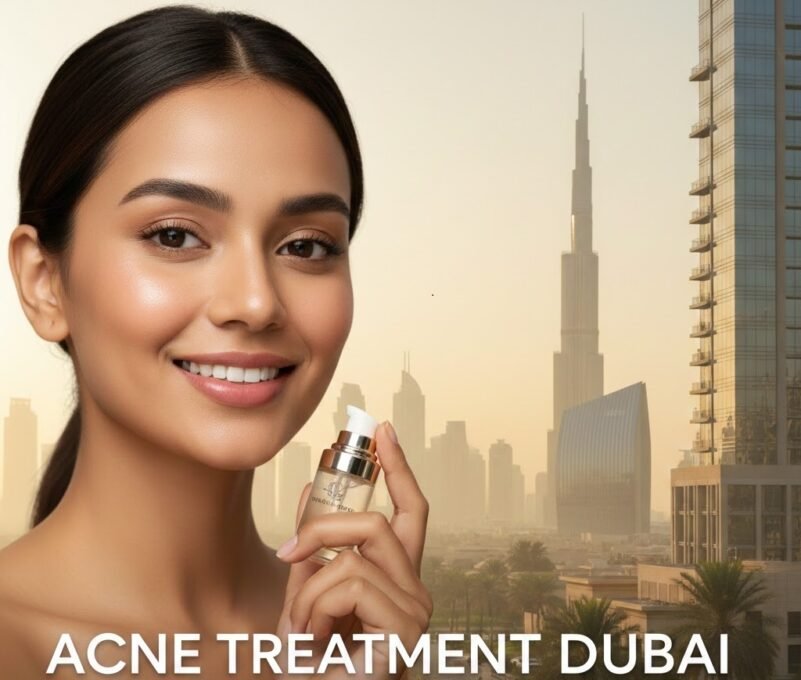
Waking up to a fresh breakout when you have a big meeting at DIFC or a brunch at the Palm is incredibly frustrating. I’ve seen so many people in Dubai cycle through expensive Sephora hauls, only to find that the desert heat and humidity make their skin worse.
If you’re hunting for the best acne treatment Dubai has to offer, you’re likely tired of “quick fixes” and want something that actually sticks. Dealing with persistent breakouts in the UAE requires a specific strategy because our environment—high UV levels, desalinated water, and constant AC—plays a massive role in how our skin behaves.
Why Is Dubai Acne “Different”?
It’s not just in your head—your skin really does act differently here. We often deal with a “sweat-meets-clogged-pore” situation that can lead to fungal acne or deep cystic bumps.
The Impact of Hard Water
The desalinated water in many Dubai apartments is high in minerals. This can strip your skin’s natural barrier, leading to irritation and “hard water acne.” If your skin feels tight yet oily after a shower, this might be your culprit.
The Humidity Factor
High humidity levels during the summer months cause our sebaceous glands to go into overdrive. When you mix that extra sebum with dust and pollution, you get the perfect recipe for a breakout.
Top Clinical Acne Treatments in Dubai That Actually Work
When over-the-counter creams fail, it’s time to look at professional interventions. Here is what local dermatologists are currently recommending for 2026:
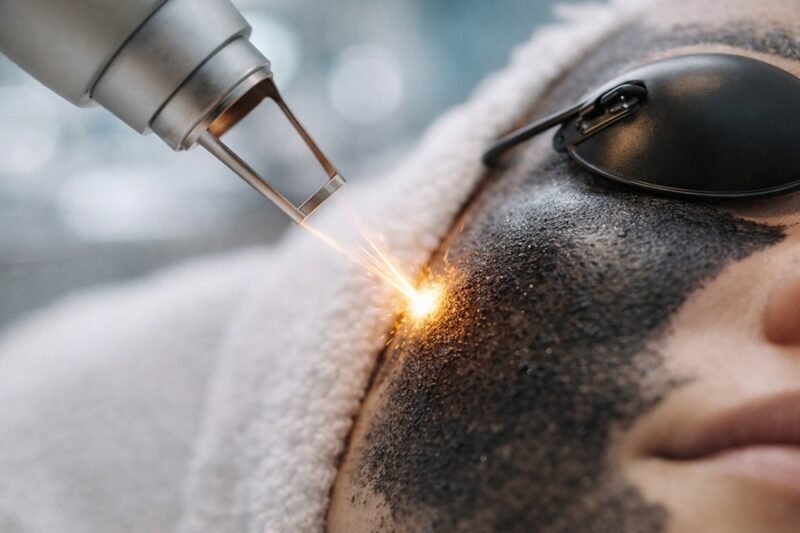
1. Carbon Laser Peel (The “Hollywood Peel”)
This is a favorite in Dubai because there’s almost zero downtime. A layer of liquid carbon is applied to the face, which penetrates deep into the pores. The laser then “blasts” the carbon away, taking dead skin cells, oils, and bacteria with it.
2. HydraFacial with Salicylic Boost
A standard facial won’t cut it for persistent acne. The HydraFacial uses a vacuum-like tip to deep-clean pores while infusing the skin with Salicylic acid to kill acne-causing bacteria.
Targeted Solutions for Acne Scarring
If you’ve finally cleared the active bumps but are left with dark spots or “pitting,” you aren’t alone. Acne scarring is a major concern for residents here due to the intense sun, which can darken hyperpigmentation (PIH).
Microneedling with RF: This creates tiny “micro-injuries” to trigger collagen. It’s excellent for those deep, “ice-pick” scars.
Chemical Peels (TCA or Glycolic): Best for smoothing out skin texture and fading those pesky red marks.
The “Dubai Routine”: How to Maintain Clear Skin
You can’t rely solely on clinic visits. Your “at-home” game needs to be strong to combat the local climate.
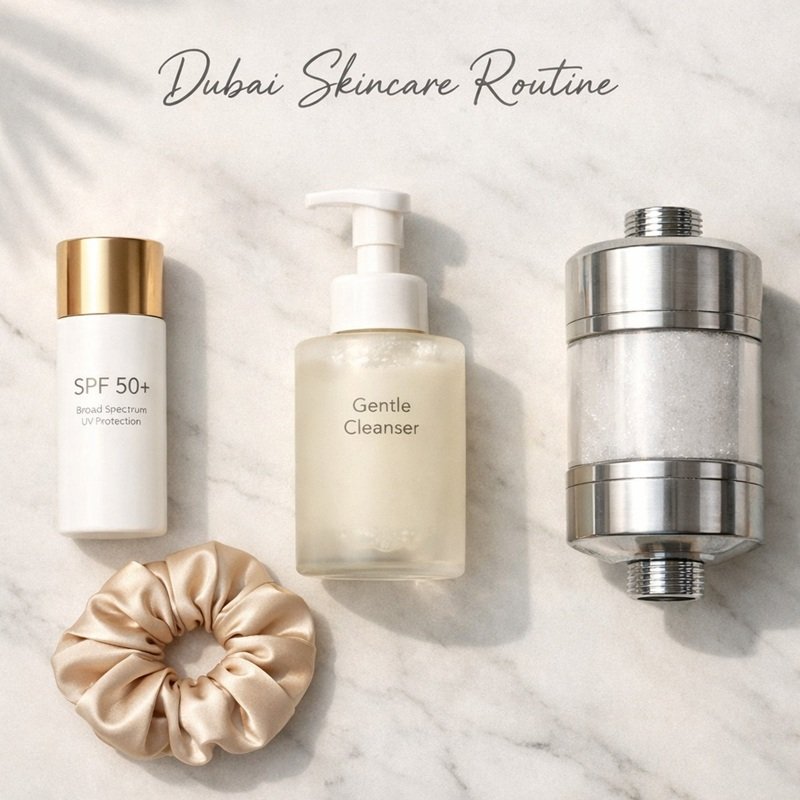
Double Cleanse: Use a micellar water or oil cleanser first to get the Burj-level dust and SPF off your face before using your actual face wash.
Non-Comedogenic Sunscreen: This is non-negotiable. Look for “Gel-based” formulas that won’t clog your pores in 40°C heat.
Shower Filters: Consider installing a filter (like Blue or Vitamin C filters) to soften the water hitting your face.
Conclusion
Finding the right acne treatment in Dubai is about more than just picking a random clinic; it’s about understanding how this unique environment affects your specific skin type. Whether it’s a Carbon Peel or just switching to a better shower filter, the goal is a healthy skin barrier.
Stop hiding behind heavy filters and thick concealer. The right treatment is out there—you just have to take that first step toward a professional consultation.
Are you ready to finally ditch the breakouts and embrace the Dubai glow?
FAQ: What People Also Ask
How much does acne treatment cost in Dubai?
Prices vary wildly. A medical-grade facial might start at AED 500, while advanced laser treatments or Microneedling can range from AED 1,200 to AED 2,500 per session.
Which clinic is best for acne in Dubai?
There isn’t one “best” for everyone, but areas like Jumeirah and Dubai Healthcare City (DHCC) house the highest concentration of board-certified dermatologists. Always check for DHA (Dubai Health Authority) licensing.
Can the Dubai weather cause more acne?
Yes. The combination of high humidity (which increases oil production) and constant indoor AC (which dehydrates the skin) can disrupt your skin’s balance, leading to more frequent breakouts.