



Reports emerging from Venezuela in early January 2026 have triggered global debate after claims surfaced that U.S. forces used a “sonic weapon” during a military operation. According to alleged eyewitness accounts, Venezuelan soldiers experienced sudden disorientation, collapse, and bleeding from the nose and ears—raising questions about whether advanced acoustic or directed-energy technology was involved.
While the claims remain unverified, they have reignited interest in a little-understood category of modern weapons known as sonic or acoustic weapons.
What Happened in Venezuela?
Local reports and social media narratives from Venezuela claim that during a rapid operation involving U.S. forces, several soldiers were incapacitated without visible explosions or gunfire. Witnesses alleged:
Sudden loss of consciousness
Severe head pressure and dizziness
Bleeding from ears and nose
Temporary inability to move or respond
Importantly, no independent international verification has confirmed these claims so far. U.S. officials have also not acknowledged the use of any such weapon.
What Is a Sonic Weapon?
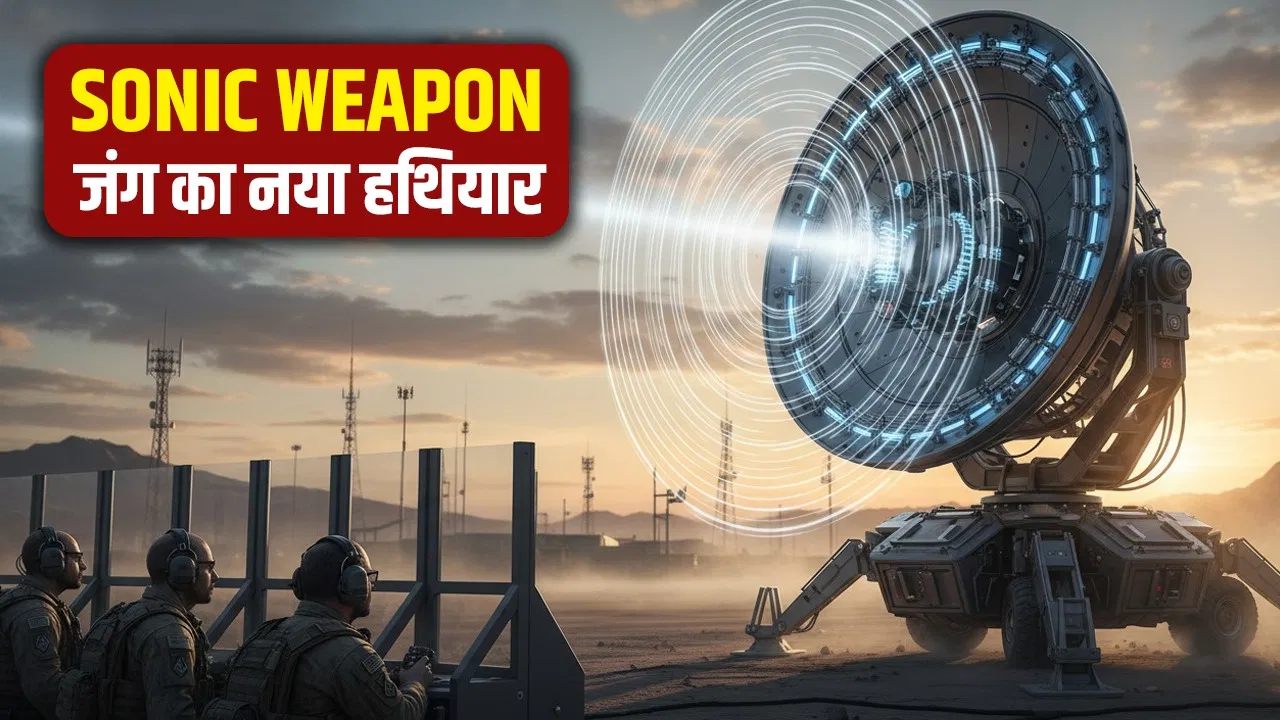
A sonic weapon is a broad term used to describe devices that emit powerful sound waves or focused energy to affect people physically or psychologically—without traditional bullets or explosives.
These systems are often confused with science-fiction technology, but some real-world versions do exist in limited roles.
Known Types of Acoustic or Energy Weapons
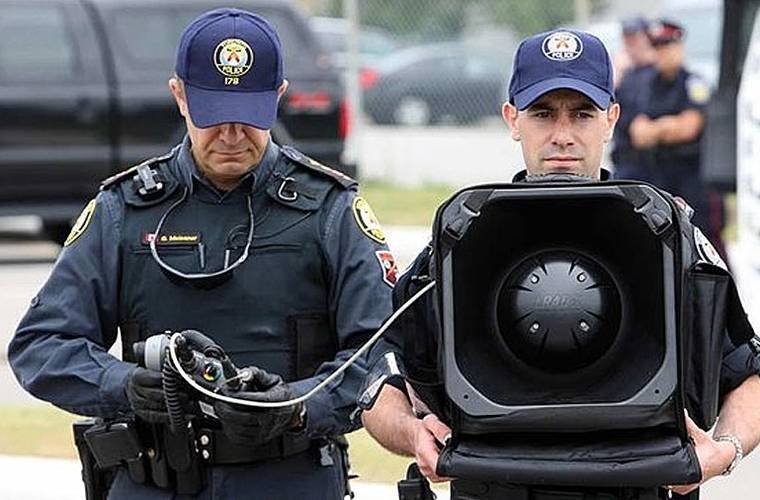
Long-Range Acoustic Devices (LRADs):
Used by police and militaries for crowd control or communication. They emit extremely loud sound that can cause pain, nausea, and disorientation at close range.Directed-Energy Concepts:
Experimental technologies that use focused sound, microwaves, or energy beams. Most remain in research or classified testing phases.
Crucially, no publicly confirmed sonic weapon is known to reliably cause internal bleeding under battlefield conditions.
Can Sonic Weapons Cause Bleeding or Serious Injury?
This is where scientific skepticism becomes important.
Medical and defense experts note that:
Extremely loud sound can cause ear damage and rupture eardrums
Disorientation, nausea, and headaches are documented effects
Bleeding from ears or nose is rare and usually linked to blast pressure or physical trauma
There is no open scientific evidence that currently deployed sonic weapons can consistently produce the dramatic effects described in Venezuela.
Has the United States Confirmed Using a Sonic Weapon?
No.
As of now:
There is no official U.S. confirmation
No technical details or weapon names have been released
No international observers have validated the claims
Defense analysts suggest that if any acoustic device was used, it would likely be a standard non-lethal system, not a secret or experimental weapon capable of causing severe physical harm.
Why Are Experts Skeptical?
Several red flags have been highlighted:
Lack of Physical Evidence – No verified medical reports or imagery
Extraordinary Claims – Severe symptoms without blast damage are unusual
Political Context – Venezuela–U.S. relations are historically tense
Past Precedents – Similar claims in other cases were later disputed or re-explained
Experts warn that social media amplification can turn speculation into perceived fact very quickly.
Why This Story Still Matters
Even without confirmation, the story highlights a growing concern in global security:
👉 The rise of non-traditional, non-lethal, or “silent” weapons
If future technologies can incapacitate without gunfire, they raise serious questions about:
International law
Human rights
Military transparency
Ethical warfare
For now, the Venezuela sonic weapon story remains a claim, not a confirmed fact.
Conclusion: Facts vs Claims
The idea of a sonic weapon being used in Venezuela has captured global attention, but credible evidence is still missing. While acoustic and directed-energy technologies do exist, experts caution against jumping to conclusions without verified data.
Until independent investigations confirm the details, the incident should be viewed as an unverified allegation, not established reality.