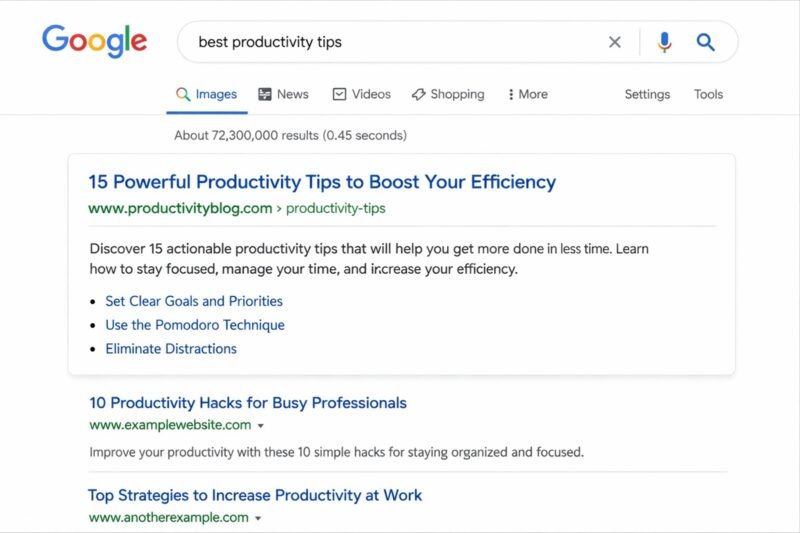


Remember the last time you Googled something — maybe a recipe, a travel tip, or “how to fix my Wi-Fi”? Chances are, a blog answered your question.
Blogging has quietly become one of the most powerful ways people share knowledge, build communities, and yes — even make a living online. And yet, for someone just starting out, it can feel a little overwhelming.
What exactly is blogging? Where do you post a blog? How is a blog different from a website?
If these questions are swirling in your head, you’re in the right place. In this guide, we’ll break down what is blogging in the simplest way possible — no tech jargon, no fluff. Just real, practical information that’ll help you go from “what’s a blog?” to “I’m ready to start one.”
What Is a Blog?
A blog (short for “weblog”) is essentially an online journal or informational website. It’s a space where a person — or a team — regularly publishes written content on topics they care about or know well.
Think of it like this: if a website is a storefront, a blog is the conversation happening inside that store. It’s where real ideas, opinions, how-tos, and stories live.
Blogs started in the late 1990s as personal online diaries. Justin Hall, a college student, is often credited with writing one of the first blogs back in 1994. Back then, it was raw, personal, and completely unfiltered.
Today? Blogging has evolved into a massive ecosystem. Companies run blogs to build trust. Doctors blog to share health advice. Travel enthusiasts blog to inspire others. The form has changed, but the core idea remains the same — sharing useful content with an audience.
What Is Blogging?
What is blogging, in simple terms? It’s the ongoing process of creating, publishing, and managing content on a blog.
It’s not a one-time thing. Blogging involves writing consistently, engaging with readers, learning about SEO (Search Engine Optimization), and gradually building an audience that trusts your voice.
If writing a single blog post is like baking one loaf of bread, then blogging is running an entire bakery — it’s a continuous, deliberate effort.
Blogging is also more than just writing. It includes:
- Planning content around what your audience searches for
- Formatting posts so they’re easy to read
- Optimizing for Google so people can actually find your content
- Updating old posts to keep them accurate and relevant
What Is a Blog Post?
A blog post (also called a “post blog” entry) is an individual piece of content published on a blog. It could be a how-to guide, a listicle, an opinion piece, a product review, or even an interview.
Every blog post typically has:
- A headline — the title that grabs your attention
- An introduction — sets the context and pulls you in
- The body — the actual meat of the content
- A conclusion — wraps things up and often includes a call to action
- Images or visuals — to break up the text and add clarity
- Tags and categories — to help readers (and Google) understand the topic
A well-written blog post solves a problem, answers a question, or adds genuine value to the reader’s life. That’s the non-negotiable part.
Types of Blogs
Not all blogs look or feel the same. Here are the most common types you’ll come across:
1. Personal Blogs
These are the OGs of blogging — someone writing about their life, thoughts, and experiences. Think of it as a public journal. Example: A mom documenting her parenting journey.
2. Niche Blogs
These focus on one specific topic — fitness, personal finance, coding, vegan cooking. The narrower the focus, the easier it is to build a loyal audience.
3. Business/Corporate Blogs
Companies like HubSpot, Neil Patel, and Zoho maintain blogs to educate their audience, build brand authority, and drive organic traffic to their products.
4. Affiliate Blogs
These review products and earn commission when readers buy through their links. Sites like Wirecutter (now owned by The New York Times) are perfect examples.
5. News Blogs
These publish timely, breaking-news style content. Tech blogs like TechCrunch or The Verge fall into this category.
6. How-To / Tutorial Blogs
Step-by-step guides that teach readers something specific — like how to set up a website, cook a dish, or edit a video.
What Is a Blogging Website?
A blogging website is the platform or digital home where your blog lives. It’s where you publish your posts, organize your content, and welcome your readers.
There are two kinds of blogging websites:
Free Blogging Platforms
Great for beginners who want to test the waters before investing money:
- Blogger.com — Google’s free blogging tool (simple and reliable)
- WordPress.com — Hosted version with limited customization
- Medium — Clean writing platform with a built-in audience
- Tumblr — Popular for creative and visual content
Self-Hosted Blogging Platforms
For those serious about blogging as a long-term project:
- WordPress.org — The gold standard. Powers 43%+ of all websites globally. You need to buy your own hosting and domain.
- Ghost — Modern, fast, and great for newsletter-style blogs
- Wix / Squarespace — Drag-and-drop website builders with blogging features
Most professional bloggers recommend starting with WordPress.org. The control, flexibility, and SEO capabilities are unmatched.
How Blogging Works — Step by Step
Here’s a simplified look at how the blogging process actually works:
Step 1: Pick a niche and decide what you want to write about. The best blogs have a clear focus — they don’t try to cover everything.
Step 2: Choose a blogging website Set up your blog on a platform that suits your needs and budget.
Step 3: Pick a domain name Your domain is your blog’s address (like www.yourblogname.com). Keep it short, memorable, and relevant.
Step 4: Write and publish blog posts Create content your target audience actually wants to read. Research keywords, write naturally, and add real value.
Step 5: Optimize for SEO Use tools like Google Search Console or Yoast SEO to make sure your posts rank on Google.
Step 6: Promote your content, share posts on social media, build an email list, and engage with communities in your niche.
Step 7: Grow and monetize As traffic grows, explore monetization options like ads, affiliate marketing, or selling your own products.
Why Do People Blog? {#why-do-people-blog}
This is a question worth sitting with. People blog for a surprisingly wide range of reasons:
- Passion — Some people just love writing about what they know.
- Business growth — Brands use blogs to attract customers without paid ads.
- Side income — Many bloggers eventually earn from their content.
- Portfolio building — Writers, designers, and developers use blogs to showcase their work.
- Community — Blogs bring together people who share similar interests or challenges.
- Impact — A well-written post on mental health, parenting, or finance can genuinely change someone’s life.
I’ll be honest — when many people start blogging, they’re not sure which of these reasons drives them. That’s okay. Most bloggers discover their “why” after they’ve been at it for a few months.
Can You Make Money from Blogging?
Yes — but let’s be real about the timeline.
Blogging is not a get-rich-quick scheme. Most bloggers take 6–12 months to see meaningful traffic, and 1–2 years to generate consistent income. But the bloggers who stick with it? Many of them earn lakhs per month.
Common Blogging Monetization Methods:
| Method | How It Works |
| Display Ads | Earn per 1,000 views via Google AdSense or Mediavine |
| Affiliate Marketing | Earn commission for recommending products |
| Sponsored Posts | Brands pay you to write about their products |
| Digital Products | Sell eBooks, courses, or templates |
| Freelance Services | Use your blog as a portfolio to attract clients |
The bloggers who earn the most don’t just write — they treat their blog like a business from day one.
Blogging vs. Social Media — What’s the Difference?
A lot of beginners ask: “Why blog when I can just post on Instagram or YouTube?”
Fair question. Here’s the key difference:
Social media is a rented space. Algorithms change. Accounts get banned. Reach drops overnight. You don’t own your audience.
A blog is owned by the media. Your content lives on your domain, your terms. Google can send you traffic for years from a single well-written post. No algorithm can erase that.
Social media and blogs work best together — use social media to promote your blog content and drive readers back to your home base.
How to Start a Blog in 2026
Ready to begin? Here’s a quick-start checklist:
- Choose your niche (fitness, finance, travel, tech, parenting, etc.)
- Pick a blogging platform (WordPress.org is recommended)
- Buy a domain name and hosting (Hostinger, Bluehost, or SiteGround)
- Install WordPress and choose a clean theme
- Write your first 5–10 blog posts before promoting
- Set up Google Analytics and Google Search Console
- Create social media profiles to promote your blog
- Stay consistent — publish at least 2–4 posts per month
The biggest mistake new bloggers make? They spend weeks perfecting their design and zero time writing. Start simple. Write first. Improve everything else later.
Practical Example: A Day in the Life of a Blogger
Meet Priya. She’s a 28-year-old nutritionist from Pune who started a health and wellness blog two years ago.
Every Tuesday, she wakes up and spends 90 minutes writing a blog post. Last week, she wrote “7 Iron-Rich Foods for Women in Their 30s.” She researched the keywords first, wrote in simple language her readers understand, and added a few personal tips from her clinic practice.
That one post now brings her 800+ visitors every month from Google — completely free.
She earns money through affiliate links to health supplements she genuinely recommends, and she recently launched a 4-week meal plan she sells for ₹999.
That’s what blogging can look like when done with consistency and intent.
Conclusion:
So, what is blogging? At its core, it’s one of the most human things you can do on the internet — share what you know, help people solve problems, and build something meaningful over time.
Whether you want to blog as a creative outlet, a business tool, or a side hustle, the opportunity is very much alive in 2026. The barriers to entry are lower than ever. A domain costs as little as ₹700 a year. Free platforms exist. And the world will always need genuine, helpful voices.
The only thing standing between you and your first blog post is the decision to start.
So go ahead — open that dashboard, choose your topic, and write something real.
FAQ:
1. What is blogging in simple words?
Blogging is the act of regularly writing and publishing content on a blog — which is essentially a website where you share articles, guides, or stories on a specific topic. It’s like maintaining an online diary or magazine.
2. What is a blog post vs. a blog?
A blog is the entire website or platform where your content lives. A blog post is an individual piece of content published on that blog. Think of the blog as a magazine and each blog post as a single article inside it.
3. Do I need technical skills to start blogging?
Not at all. Platforms like WordPress, Blogger, and Medium are designed for non-technical users. If you can type and use basic formatting (bold, headings, links), you can run a blog without writing a single line of code.
4. How long should a blog post be?
There’s no hard rule, but most SEO experts recommend blog posts be at least 1,000–1,500 words for Google to take them seriously. In-depth guides like this one often go to 2,000–3,000 words. The key is to cover a topic completely — not just hit a word count.
5. Is blogging still relevant in 2025?
Absolutely. With over 600 million blogs active worldwide and Google still relying heavily on written content, blogging is far from dead. If anything, quality blogging — the kind that truly helps people — has become more valuable as generic AI content floods the internet.