


Think about the last time you used an app to pay for a ride, split a lunch bill, or take out a small business loan directly from your accounting software. You probably didn’t think, “Wow, this bank’s API is incredibly responsive today.”
You just wanted to get things done.
That seamless experience is the magic of Banking as a Service (BaaS). It’s the invisible plumbing behind the “embedded finance” boom that’s currently sweeping across the US. But for banks and their corporate customers, BaaS is much more than a convenience—it’s a massive shift in how money moves and how loyalty is built.
Key Takeaways
- Definition: BaaS allows non-banks to offer licensed banking products via APIs.
- The “Win” for Banks: It opens up new revenue streams and massive customer reach without traditional acquisition costs.
- The “Win” for Corporates: It creates “sticky” ecosystems where customers never have to leave their platform to handle finances.
- Growth: The US BaaS market is projected to hit nearly $31.4 billion by 2035.
So, What Exactly is BaaS? (Without the Jargon)
To truly understand what is BaaS, you have to look at it as a business model where a licensed bank leases out its “digital engine” to a third party.
Imagine you’re a massive retailer or a hot new Silicon Valley startup. You want your customers to have their own branded debit cards or a place to store their cash. Normally, you’d need a banking license—a process that takes years and costs a literal fortune in legal fees and capital reserves.
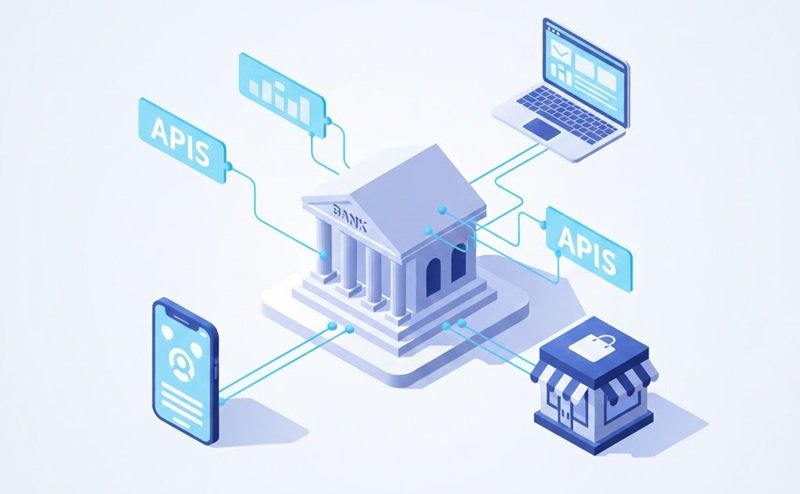
With BaaS, you don’t need the license. You just “plug in” to a partner bank’s infrastructure via an API (Application Programming Interface). The bank handles the boring (but critical) stuff: regulatory compliance, anti-money laundering (AML) checks, and security. You focus on the cool part: the user experience.
How it Works in 3 Simple Steps:
- The Bank: Provides the regulated infrastructure and license.
- The BaaS Provider (Optional): Acts as the middleman software layer to make integration easy.
- The Brand: The corporate customer (like Uber or Shopify) embeds these services into their app.
Why Banks are Diving Into BaaS Headfirst
You might wonder why a traditional bank would want to let a tech company “rent” its hard-earned license. The answer is simple: Reach and Revenue.
In the old days, if a bank wanted more customers, they had to build more branches or run expensive TV ads. That’s a slow, high-cost game. In the BaaS world, a bank can reach millions of new users overnight by partnering with a brand that already has them.
The Benefits for Banks:
- Diversified Income: Instead of just interest, banks earn fees for every API call or transaction processed.
- Lower Acquisition Costs: The corporate partner does the marketing; the bank just provides the utility.
- Digital Transformation: It forces legacy banks to modernize their tech stacks to stay competitive.
The Corporate Advantage: Why Your Business Needs a “Bank” Inside It
For corporate customers—ranging from e-commerce giants to HR platforms—BaaS isn’t just a feature; it’s a retention strategy.
When you embed banking into your platform, you’re creating an “all-in-one” ecosystem. If a Shopify merchant can get their business loan, manage their store, and spend their profits all within one dashboard, why would they ever leave?
BaaS vs. Open Banking: What’s the Difference?
These two terms are often used interchangeably, but they are very different beasts. Think of it this way:
| Feature | Open Banking | Banking as a Service (BaaS) |
|---|---|---|
| Primary Goal | Sharing data | Providing functionality |
| Action | “Read-Only” (View balances) | “Read & Write” (Open accounts, send money) |
| Regulation | Customer-driven data sharing | Bank-driven infrastructure leasing |
| Example | A budgeting app seeing your transactions | A retail app issuing its own debit card |
Real-World Examples of BaaS in the USA
- Chime & Stride/Bancorp: Chime isn’t actually a bank. It’s a tech company that uses the BaaS model via partners like The Bancorp Bank to offer checking and savings accounts.
- Uber & Barclays: Uber drivers can access their earnings instantly and get car loans through financial products embedded directly into the driver app.
- Shopify Balance: Small business owners can manage their finances where they sell their products, thanks to Shopify’s banking partners.
The “People Also Ask” FAQ
1. Is BaaS the same as Embedded Finance?
Not quite. BaaS is the infrastructure (the plumbing), while Embedded Finance is the end-result (the sink). You use BaaS to achieve embedded finance.
2. Is BaaS safe for customers?
Yes. Because the underlying services are still provided by a licensed, regulated bank, the funds are typically FDIC-insured. However, the tech company (the brand) must ensure its API integrations are secure to prevent data leaks.
3. Why is the US market growing so fast?
The US has a fragmented banking system with thousands of regional and community banks. Many of these smaller players are using BaaS to compete with “The Big Four” by partnering with innovative fintechs.
The Bottom Line: Adapt or Be Left Behind
The “walled garden” era of banking is over. Customers no longer want to go to a separate building (or even a separate app) to manage their money. They want finance to meet them where they already are—whether that’s shopping, working, or driving.
For banks, BaaS is the ultimate growth hack. For corporate brands, it’s the key to deepening customer relationships. If you aren’t thinking about how to integrate financial services into your customer journey, you’re essentially leaving money on the table.