


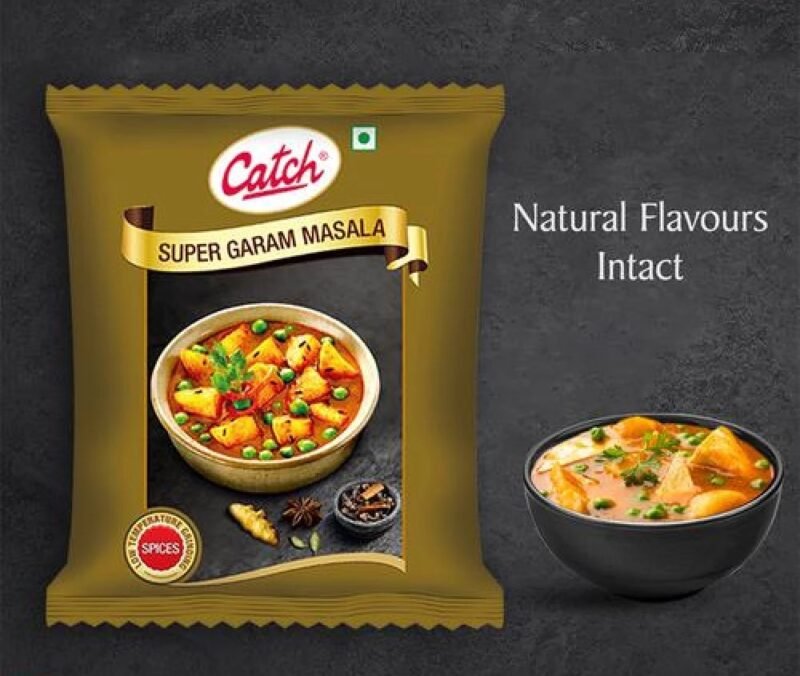
Walk into any Indian kitchen and there’s a good chance you’ll find at least one Catch Masala jar sitting next to the stove. It’s one of those brands that quietly became a staple without much fuss — the kind of product your mother trusted, and now you do too. But here’s something most people don’t realize: Catch Masala isn’t just one product. It’s an entire ecosystem of spices, blends, salts, and pastes built by DS Group over nearly four decades.
If you’ve ever stood in the spice aisle wondering which Catch Masala variant actually suits your cooking style, this guide breaks it all down in plain language.
A Quick Background on Catch Masala
DS Group introduced Catch back in 1987, and it wasn’t even a spice at first — it started as a free-flow salt and pepper sprinkler, designed to solve a very Indian kitchen problem: salt clumping up in humid weather. That single innovation opened the door to a much bigger spice business, and by the early 1990s, Catch had expanded into full-fledged masalas.
Today, the Catch Masala range covers spices, seasoning blends, cooking pastes, and even beverage mixes. What ties them together is DS Group’s use of Low Temperature Grinding, a technique that grinds spices at sub-zero temperatures instead of the traditional high-heat method. This matters more than it sounds — high heat during grinding burns off the natural oils that give spices their aroma and punch. Grinding cold preserves that flavor, which is part of why the masala tastes fresher straight out of the pack.
Different Types of Catch Masala in the Market
Let’s go category by category, because that’s really the easiest way to understand the range.
1. Blended Cooking Masalas
This is probably what most people picture when they hear “Catch Masala.” These are ready-mixed spice blends made for specific dishes, so you don’t have to measure out ten different spices every time you cook.
Common ones you’ll spot on shelves include:
- Garam Masala
- Chicken Masala
- Meat Masala
- Chana Masala
- Paneer Masala
- Sabzi Masala
- Pav Bhaji Masala
- Dal Makhani Masala
These blends are genuinely useful on busy weeknights. You’re not compromising on taste, just cutting down prep time.
2. Single Ground Spices
Not every dish needs a blend — sometimes a recipe just calls for pure turmeric or plain red chilli powder, nothing else mixed in. Catch covers this with its single-spice range:
- Turmeric powder
- Red chilli powder
- Coriander powder
- Cumin (jeera) powder
DS Group sources some of these from specific growing belts — Erode for turmeric and Bedki for the deep-red Kashmiri chillies, for instance — which is a detail worth knowing if you care about where your spices actually come from.
3. Table-Top Sprinklers and Seasoning Salts
This is the category Catch was originally built on, and it’s still going strong. These are the small sprinkler bottles you keep on the dining table rather than in the masala box. The current lineup includes:
- Black Pepper
- Crystal Rock Salt
- Black Salt
- Pink Rock Salt
- Magic Masala
- Italian Seasoning
Magic Masala, in particular, has become a bit of a cult favorite for sprinkling over fries, snacks, and even fruit chaat.
4. Fresh Grind Range
For people who prefer freshly cracked spice over pre-ground powder, Catch also makes a Fresh Grind line — bottles with a built-in ceramic grinder head, similar to a pepper mill. You twist it, and it grinds the spice fresh right onto your plate. It’s a small upgrade, but it makes a noticeable difference in aroma compared to spice that’s been sitting ground in a jar.
5. Cooking Pastes
Not strictly “masala” in the powder sense, but part of the same convenience-first philosophy. Catch offers ready pastes like ginger-garlic paste and tamarind paste, which save you the daily grind (literally) of prepping these from scratch.
6. Premium Whole Spice Range
DS Group has also pushed into the premium segment with single-origin whole spices under names like Lakadong Turmeric, Double Parrot Coriander, and Mathania Red Chilli. These are aimed at people who want traceable, region-specific spices rather than a generic blend — closer to how specialty coffee highlights its origin.
7. Beverage and Drink Masalas
A lesser-known corner of the Catch portfolio is its drinks range, which includes masala mixes for things like shikanji and jal jeera-style digestive drinks. It’s a smaller category compared to the cooking spices, but worth knowing if you’re stocking a home bar or making traditional Indian coolers.
How to Choose the Right Catch Masala for Your Kitchen
With this many options, picking the right one comes down to how you actually cook:
- If you cook a lot of North Indian curries — start with garam masala, chicken masala, and paneer masala. These three alone cover most weeknight meals.
- If you prefer control over flavor — go with single spices like turmeric and coriander powder, and build your own mix.
- If you host guests often — the table-top sprinklers, especially Magic Masala and rock salts, are great for snacks and finishing touches.
- If time is tight — ginger-garlic paste and the pre-mixed dish-specific blends (like pav bhaji masala) will save you real time without hurting the taste.
There’s no single “best” type — it genuinely depends on whether you value convenience, control, or a bit of both.
Why This Range Has Stayed Popular
A few things explain why Catch Masala has held its ground in a crowded spice market:
- The Low Temperature Grinding process keeps flavor and aroma closer to fresh-ground spice.
- Sourcing from known regions adds a layer of consistency batch after batch.
- The product range spans nearly every kitchen need, from daily cooking to table seasoning to drinks.
- DS Group’s decades of experience in food manufacturing back the quality control behind it.
None of this means every dish needs a store-bought blend — home-ground masala still has its place. But for everyday convenience without a major drop in quality, this range fills a real gap.
FAQs
1. What is the most popular type of Catch Masala? Garam masala and chicken masala tend to be the most commonly bought, simply because they go into a huge number of everyday dishes.
2. Is Catch Masala the same as garam masala? No. Garam masala is just one product within the larger Catch Masala range, which also includes single spices, sprinklers, pastes, and more.
3. What makes Catch Masala different from other spice brands? The main difference is the Low Temperature Grinding process, which is meant to preserve natural oils and aroma better than conventional high-heat grinding.
4. Can I use Catch table-top sprinklers for cooking, not just seasoning? Yes, most people use them at the table, but there’s no harm in adding a pinch while cooking too — Magic Masala, for example, works well in stir-fries and snacks.
5. Where does Catch source its spices from? DS Group sources specific spices from known growing regions, such as turmeric from Erode and red chillies from Bedki, along with other regional sources for its premium range.
Final Thoughts
Catch Masala has grown from a single salt sprinkler into a spice range that touches almost every part of Indian cooking — daily curries, snacks, drinks, and everything in between. Once you know the categories, picking the right jar for your kitchen stops being a guessing game and starts being a matter of what you actually cook most often.