



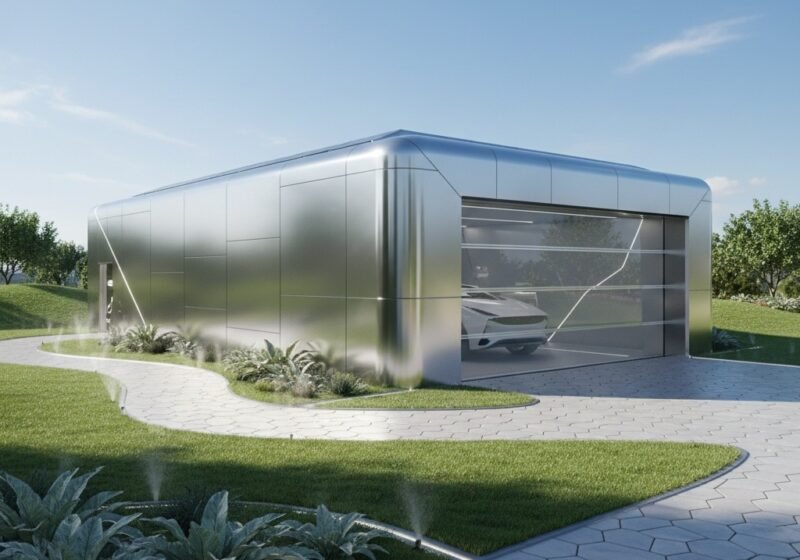
For decades, the standard image of a home garage was framed in timber, smelling of sawdust and susceptible to the slow rot of time. But as homeowners and developers look for more resilient, long-lasting structures, the tide is turning. We are witnessing a definitive shift in how we build, and at the forefront of this evolution is metal garage construction.
Whether you need a simple storage space for your vehicle or a complex workshop for your projects, traditional materials are increasingly struggling to meet modern demands for durability and efficiency. This article explores why steel is rapidly becoming the gold standard for residential and commercial outbuildings, offering a visionary look at why your next garage should be built to last.
The Decline of Timber and the Rise of Steel
To understand the future, we have to look at the limitations of the past. Wood has been the default building material for centuries, but it comes with significant baggage. It warps in humidity, rots when exposed to moisture, and is essentially food for termites and carpenter ants.
Metal garages, particularly those framed with galvanized steel, solve these problems simply by existing. Steel doesn’t warp, crack, or rot. It provides an impenetrable barrier against pests and stands up to severe weather conditions—from heavy snow loads to hurricane-force winds—far better than a wooden counterpart. When comparing a steel garage vs wood, the difference in longevity is stark. A well-maintained steel structure can last generations, not just decades, making it a smarter investment for property owners who value long-term asset protection.
Unpacking the Cost-Effectiveness of Metal Structures
A common misconception is that “better” always means “more expensive.” However, when you crunch the numbers on metal garage construction, the financial reality is surprisingly favorable.
Initial vs. Long-Term Costs
While the upfront price of raw steel can fluctuate, the overall cost of erecting a metal garage is often lower than traditional construction. This is largely due to reduced labor costs. Because components are pre-engineered to fit together perfectly, assembly is faster and requires fewer specialized tradespeople.
The real savings, however, kick in after the build is complete. Wood requires painting, staining, and sealing every few years to keep rot at bay. Shingles need replacing. Termite treatments are an annual expense. Metal structures require virtually none of this. A simple wash with a hose is often all that is needed to keep them looking new, drastically reducing the total cost of ownership over the structure’s life.
The Advantage of Prefabrication
For the budget-conscious homeowner, prefab metal garages are a game-changer. These kits are manufactured off-site and shipped ready to assemble. This process eliminates construction waste and minimizes on-site delays caused by weather or material shortages. By choosing a prefab option, you get a commercial-grade building at a fraction of the cost of a stick-built garage.
Unmatched Design Flexibility and Customization
Gone are the days when a metal building meant a rusty, boxy shed in the backyard. Modern engineering allows for incredible architectural versatility.
You are no longer limited to standard dimensions. Do you need extra height for an RV? A clear-span interior without support columns to maximize floor space? Metal makes this easy. This flexibility is perfect for creating customizable metal workshops where layout flow is critical. You can place doors, windows, and skylights exactly where you need them without worrying about compromising structural integrity.
Furthermore, the exterior aesthetics have evolved. With a vast array of colors, siding styles (including wainscoting), and roof pitches, a metal garage can be designed to seamlessly complement the architectural style of your existing home.
Rapid Installation and Minimal Maintenance
Time is money, especially for property developers. One of the most compelling arguments for metal construction is speed. A traditional garage might take weeks or even months to frame, roof, and finish. A metal garage can often be erected in a matter of days.
Once standing, the “set it and forget it” nature of steel becomes its best feature. You won’t be chasing down warped studs or patching drywall cracks caused by settling. The structural stability of steel means less time fixing your building and more time using it for what it was intended for—whether that’s storing your classic car or running a home business.
The Sustainable Choice
As we look toward 2026 and beyond, sustainability is no longer optional; it’s essential. Steel is one of the most recycled materials on the planet. Unlike wood, which often ends up in landfills at the end of a building’s life, steel can be recycled endlessly without losing its strength.
Choosing steel reduces the demand for lumber, helping to preserve forests. Additionally, metal roofs are excellent platforms for solar panels and can be coated with reflective paint to reduce cooling costs in the summer, contributing to a more energy-efficient property.
2026 Outlook: Future Trends in Garage Technology
The industry isn’t standing still. As we approach 2026, we are seeing the integration of “smart” technologies into the very fabric of these buildings. We expect to see:
- Advanced Insulation: New composite panels that offer higher R-values with thinner profiles, making climate control even more efficient.
- Solar Integration: Roof panels with built-in photovoltaic cells, eliminating the need for rack-mounted solar systems.
- Modular Expansion: Systems designed to be easily expanded as your needs grow, reinforcing the trend of durable garage solutions 2026.
These advancements signal a shift from viewing a garage as a static storage locker to viewing it as a dynamic, high-tech extension of the home.
Frequently Asked Questions
1. Is a metal garage cheaper than a wooden one?
generally, yes. While material costs vary, the savings on labor and long-term maintenance often make metal garages more cost-effective. Prefab metal garages, in particular, offer significant savings over stick-built wooden structures.
2. How long does a metal garage last?
With proper maintenance, a steel garage can last 30 to 50 years or longer. Galvanized steel is highly resistant to rust, corrosion, and pests, giving it a significantly longer lifespan than untreated wood.
3. Can I insulate a metal garage?
Absolutely. In fact, it is highly recommended if you plan to use the space as a workshop. You can use fiberglass batts, spray foam, or rigid foam boards. Many metal buildings also come with options for insulated metal panels (IMPs) which provide excellent thermal efficiency.
4. Do metal garages add value to my home?
Yes, a permanent, high-quality metal garage adds value by providing durable, usable square footage. Because they are low-maintenance and fire-resistant, they are often viewed favorably by appraisers and potential buyers.
Build for the Future
The writing is on the wall: traditional construction methods are being outpaced by the efficiency, durability, and versatility of steel. Whether you are a homeowner looking to protect your vehicles or a hobbyist dreaming of the ultimate workshop, metal garage construction offers a solution that is built to handle the future.
Don’t settle for a structure that starts deteriorating the day it’s finished. Explore the robust options available in steel today. If you’re ready to design a space that lasts, contact a local supplier to discuss your custom project.