


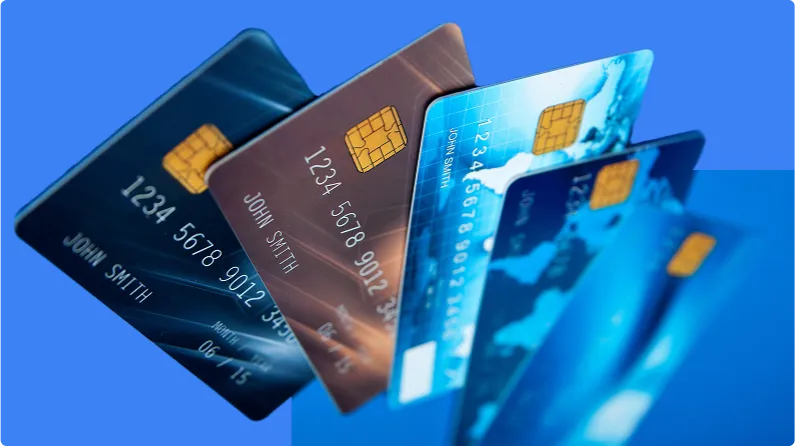
Digital payments have grown rapidly in India, and along with debit and credit cards, prepaid cards have become increasingly popular. Many people see them online or at stores but are not fully sure how they work or how they differ from other cards. Prepaid cards offer flexibility, safety, and easy spending control, which makes them useful for students, working professionals, travellers, and anyone who wants to manage money smartly.
This blog explains what a prepaid card is, how it works, and how it differs from debit and credit cards. Understanding these differences can help you choose the right card based on your needs.
What is a Prepaid Card?
A prepaid card is a payment card that you load with money before using it. You can add a specific amount and spend only what you have loaded. It works similarly to a gift card or a digital wallet balance but in a more structured and secure form.
The card is not linked directly to your bank account. Instead, it has its own stored balance. Once the balance is used, the card needs to be reloaded. This makes prepaid cards a great tool for budgeting, travel, online shopping, and controlled spending.
How a Prepaid Card Works
- You add money to the card through banking apps, net banking, cash deposit, or other approved methods.
- You use the card for purchases online or in stores.
- The amount spent gets deducted from the loaded balance.
- You can reload the card whenever needed.
Prepaid cards are issued by banks, fintech platforms, and authorised financial institutions. They can be physical cards or virtual cards depending on the provider.
Key Features of Prepaid Cards
- A prepaid card allows you to control your spending effectively because you can only use the amount that you have loaded onto the card.
- It reduces the risk of overspending since the card does not permit transactions beyond the available balance, which helps you stay within your planned budget.
- It is widely accepted at most retail stores, restaurants, and online platforms, giving you flexibility in how and where you choose to make payments.
- It can be reloaded easily through net banking, mobile apps, or authorised payment channels, which makes it convenient to maintain and use regularly.
- It is not directly linked to your savings account, which limits your financial exposure in case the card information is ever compromised.
- It is suitable for corporate or gifting purposes because you can load a specific amount and allow the receiver to use it freely within that limit.
- It provides safer online shopping compared to debit cards, since only the prepaid balance is at risk rather than your full bank account.
Differences Between Prepaid, Debit, and Credit Cards
| Comparison Factor | Prepaid Card | Debit Card | Credit Card |
| Source of Funds | A prepaid card lets you spend only the money you load onto it in advance. | A debit card deducts the payment amount directly from your bank account. | A credit card allows you to borrow money from the bank and repay it later through monthly bills. |
| Eligibility | A prepaid card is easy to get because it usually does not require income proof or a credit score. | A debit card is issued only if you hold a savings or current account with the bank. | A credit card requires income stability, a good credit score, and approval from the bank. |
| Overspending Risk | A prepaid card limits overspending because you can use only the loaded balance. | A debit card carries moderate overspending risk since it gives access to your full account balance. | A credit card has a higher overspending risk because it allows you to spend on borrowed funds. |
| Best Use Case | A prepaid card works well for budgeting, gifting, travel, and controlled spending. | A debit card suits everyday purchases, bill payments, and ATM withdrawals. | A credit card is ideal for rewards, large purchases, EMIs, and emergency expenses. |
| Security | A prepaid card offers lower exposure because only the loaded amount is at risk. | A debit card exposes your entire bank balance if misused until the issue is resolved. | A credit card provides strong fraud protection since unauthorised transactions can be disputed. |
When Should You Choose a Prepaid Card
Prepaid cards are helpful in a variety of situations. They are excellent for online shopping because they limit your exposure and allow you to budget easily. They are ideal for travel, especially in the form of prepaid forex cards that protect you from currency conversion problems. Many companies use prepaid cards for employee benefits, meal allowances, and travel expenses because they allow controlled and trackable spending. Parents often use them to give pocket money or allowances to children since they can load a fixed amount. They are also useful for individuals who want to follow a strict monthly budget.
Benefits of Prepaid Cards
Prepaid cards offer several advantages that make them appealing for day to day use. They do not involve any credit checks or risk of debt. They allow you to manage spending without worrying about interest or repayment cycles. They are easy to reload and maintain, and they work well for people without a bank account. They are considered safe for online shopping and international use, depending on the card type.
Conclusion
Prepaid cards are becoming an important part of modern payment habits because they offer safety, flexibility, and complete spending control. Unlike debit cards that draw from your bank account or credit cards that let you borrow money, prepaid cards allow you to spend only the amount you load. This makes them ideal for budgeting, travel, online purchases, gifting, and controlled spending. Understanding the difference between prepaid, debit, and credit cards helps you choose the right one for your needs. If you want a simple and secure way to manage your money without worrying about overspending or debt, a prepaid card is a strong and reliable choice.
FAQs
- Do I need a bank account to get a prepaid card?
Not always. Some prepaid cards can be issued without a bank account, although most providers still require basic KYC verification.
- Can I use a prepaid card for online shopping?
Yes. Most prepaid cards can be used for online purchases as long as they are activated for digital transactions.
- What happens when the balance on a prepaid card becomes zero?
The card will decline further transactions until you reload it with more funds.