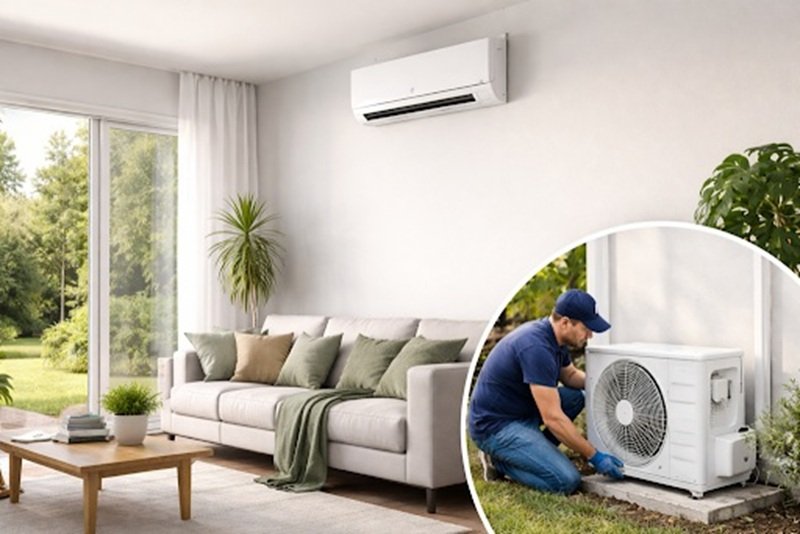



In today’s competitive real estate market, property owners are constantly looking for ways to enhance the appeal and value of their homes. Among the many upgrades available, HVAC improvements often deliver a strong return on investment because they directly impact comfort, energy efficiency, and long-term operating costs. One increasingly popular upgrade involves replacing a traditional air conditioner with a ductless mini split, a modern solution that aligns with evolving buyer expectations.
This shift is not just about comfort—it reflects broader trends in real estate, including sustainability, smart home integration, and cost efficiency. However, like any investment decision, upgrading a cooling system involves trade-offs, technical considerations, and market-specific factors that influence how much value it ultimately adds.
Understanding the Role of HVAC Systems in Property Value
Heating, ventilation, and cooling systems are fundamental to a property’s livability. Prospective buyers and tenants often view climate control as a non-negotiable feature, particularly in regions with extreme temperatures. An outdated or inefficient system can reduce buyer interest, prolong time on the market, or lead to lower offers.
On the other hand, a modern air conditioning unit signals that the property has been well-maintained and updated. It can also reduce perceived future expenses for buyers, which plays a psychological role in pricing decisions. In many cases, HVAC upgrades are not just functional improvements—they are strategic enhancements that influence how a property is positioned in the market.
What Makes Ductless Systems Different?
Traditional central cooling systems rely on ductwork to distribute air throughout a home. While effective, these systems often suffer from energy losses due to leaks, poor insulation, or inefficient design. In contrast, a mini split AC operates without ducts, using individual indoor units connected to an outdoor compressor.
This design offers several advantages. It allows for zoned cooling, meaning different rooms can be cooled independently. It also eliminates the energy losses associated with ductwork, improving overall efficiency. Additionally, installation tends to be less invasive, making it an attractive option for older homes or properties without existing duct systems.
From a real estate perspective, these features translate into tangible benefits that can influence property valuation.
Key Factors That Influence Property Value
1. Energy Efficiency and Operating Costs
Energy efficiency is one of the most significant factors affecting property value today. Buyers are increasingly aware of utility costs and environmental impact. A mini-split air conditioner typically consumes less energy compared to older systems, especially those with aging ductwork.
Lower monthly energy bills can make a property more attractive, particularly for cost-conscious buyers or investors managing rental properties. Over time, these savings can offset the initial installation cost, making the upgrade financially appealing.
However, there is a trade-off to consider. High-efficiency systems often come with higher upfront costs. While these costs may be recouped through increased property value or reduced operating expenses, the timeline for return on investment can vary depending on local energy prices and usage patterns.
2. Buyer Preferences and Market Trends
Modern buyers tend to favor properties that offer flexibility, convenience, and advanced features. Zoned cooling provided by a mini split AC aligns well with these preferences, allowing occupants to customize temperature settings for different areas.
In urban markets or regions with diverse climates, this level of control can be a strong selling point. It also appeals to multi-generational households, where comfort needs may vary among occupants.
That said, not all buyers are familiar with ductless systems. In some markets, traditional central systems are still perceived as the standard. This creates a potential challenge: while the technology offers clear benefits, its value depends on buyer awareness and acceptance.
3. Property Type and Age
The impact of upgrading an air conditioning unit varies depending on the type and age of the property. For older homes without existing ductwork, installing a traditional system can be expensive and disruptive. In such cases, a mini-split air conditioner provides a practical alternative that enhances comfort without major renovations.
For newer homes with existing ducts, the decision becomes more complex. Replacing a central system with a ductless setup may not always yield a significant increase in value unless the existing system is inefficient or nearing the end of its lifespan.
Property owners must evaluate whether the upgrade aligns with the structure and layout of the home. In some cases, a hybrid approach—combining ducted and ductless solutions—may offer the best balance.
4. Installation Costs and ROI Considerations
One of the most important factors in any property upgrade is cost. Installing a mini split AC generally involves lower labor costs compared to adding or repairing ductwork. However, the total expense depends on the number of indoor units required and the complexity of the installation.
From a return on investment perspective, HVAC upgrades typically do not yield a 100% cost recovery. Instead, they contribute to overall property appeal, faster sales, and competitive pricing. In high-demand markets, these indirect benefits can be just as valuable as direct financial returns.
The challenge lies in balancing upfront investment with expected gains. Over-improving a property beyond neighborhood standards can limit ROI, while under-investing may reduce competitiveness.
Trade-Offs in Choosing Between Systems
Upgrading a cooling system is rarely a straightforward decision. Property owners must weigh several trade-offs when considering a transition.
Cost vs Efficiency
While ductless systems offer superior efficiency, their initial cost can be higher than replacing an existing central system. The long-term savings must justify this investment, which may not always be the case in areas with mild climates.
Aesthetics vs Functionality
Indoor units of a mini-split air conditioner are visible, which may not appeal to all buyers. In contrast, central systems are largely hidden. For some homeowners, aesthetics play a significant role in perceived value.
Simplicity vs Flexibility
Central systems provide uniform cooling with minimal user input, while ductless systems offer greater control but require more active management. Buyers may have different preferences depending on their lifestyle.
Market Familiarity vs Innovation
Traditional systems are widely understood, making them easier to market. Ductless solutions, although innovative, may require additional explanation during the sales process.
Challenges Associated with Implementation
Despite their advantages, ductless systems are not without challenges. One common issue is sizing and placement. Improper installation can lead to uneven cooling or reduced efficiency, undermining the benefits of the upgrade.
Another challenge involves maintenance. While these systems are generally reliable, they require regular cleaning of filters and periodic servicing. Failure to maintain the system can affect performance and longevity.
Additionally, integrating a new system into an existing property may require electrical upgrades or modifications to interior layouts. These factors can increase costs and complexity, particularly in older homes.
From a real estate perspective, the quality of installation plays a critical role. Poor workmanship can negatively impact property value, while professional installation enhances credibility and buyer confidence.
The Broader Impact on Property Decisions
When considering HVAC upgrades, it is important to look beyond immediate costs and benefits. The decision should align with broader property goals, including resale plans, rental strategies, and long-term occupancy.
For homeowners planning to sell in the near future, the focus should be on improvements that enhance marketability and differentiate the property. In this context, a modern air conditioning unit can serve as a key selling feature, especially if it reduces perceived maintenance concerns.
For investors, the emphasis may shift toward operational efficiency and tenant satisfaction. A mini split AC can help reduce vacancy rates by offering better comfort and lower utility costs, making the property more attractive to renters.
Environmental considerations also play a growing role. Energy-efficient systems contribute to sustainability goals and may align with regulatory requirements or incentives in certain regions. These factors can influence both property value and long-term viability.
Balancing Short-Term Costs with Long-Term Gains
One of the most important aspects of upgrading an HVAC system is understanding the balance between short-term expenditure and long-term benefits. While the initial cost of a mini-split air conditioner may seem high, the potential savings in energy bills, maintenance, and future replacements can make it a worthwhile investment.
However, this balance is not universal. Market conditions, property location, and buyer demographics all influence how much value the upgrade adds. In some cases, a simpler replacement of an existing air conditioning unit may provide sufficient improvement without the need for a complete system overhaul.
Careful analysis is essential. Property owners should consider factors such as comparable sales, neighborhood standards, and expected buyer preferences before making a decision.
Wrapping Up
Upgrading from a traditional air conditioner to a ductless mini split represents more than just a technological shift—it reflects changing expectations in the real estate market. Improved energy efficiency, enhanced comfort, and modern design all contribute to increased property appeal.
At the same time, the decision involves trade-offs related to cost, aesthetics, and market acceptance. Challenges such as installation quality, maintenance requirements, and buyer familiarity must also be addressed to maximize the benefits of the upgrade.
Ultimately, the impact on property value depends on how well the upgrade aligns with the property’s characteristics and the needs of its target audience. By carefully evaluating these factors, property owners can make informed decisions that balance immediate costs with long-term gains, ensuring that their investment supports both financial and practical objectives.