



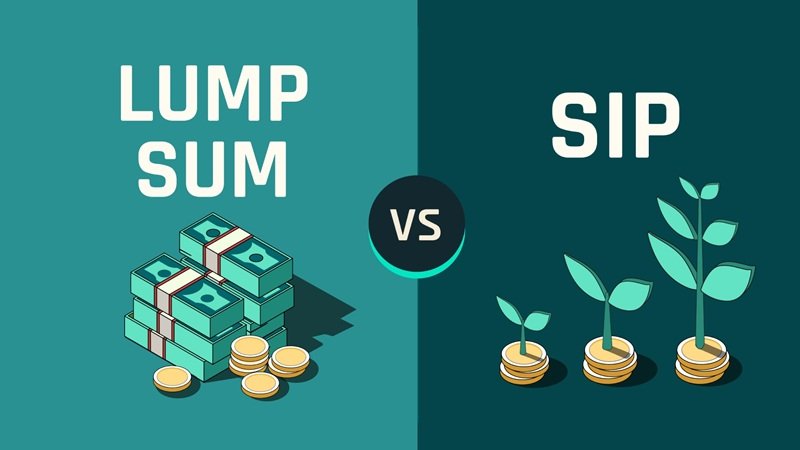
When it comes to mutual fund investments, two primary methods are commonly used: Systematic Investment Plans (SIP) and lumpsum investments. Understanding the key differences between the two can help investors align their strategy with their financial goals.
What Is SIP?
A Systematic Investment Plan (SIP) allows you to invest a fixed amount regularly into a mutual fund scheme, typically on a monthly or quarterly basis. SIPs focus on consistency and long-term growth, making them ideal for disciplined investors.
Key Features of SIP:
- Consistency: Regular, smaller investments help build a saving habit.
- Rupee Cost Averaging: SIPs buy more units when prices are low and fewer when prices are high, helping to reduce the impact of market volatility.
- Compounding Effect: Over time, your returns generate additional returns, amplifying growth.
- Affordability: SIPs allow smaller investments, making them accessible to beginners.
What Is Lumpsum Investing?
Lumpsum investing involves committing a large sum of money into a mutual fund scheme all at once. This method is ideal for investors who have a surplus amount of money and want to invest it immediately.
Key Features of Lumpsum Investments:
- Immediate Exposure: Your entire investment is exposed to market movements right from day one.
- Simple Execution: Lumpsum investments require a single transaction without recurring payments.
- Market Dependency: The returns are highly influenced by the market conditions at the time of investment.
Comparing SIP and Lumpsum
| Feature | SIP | Lumpsum |
| Investment Mode | Regular intervals (monthly/quarterly) | One-time investment |
| Market Timing | Mitigates timing risks through regular investments | Highly dependent on timing |
| Risk | Spreads risk over time | Exposes entire amount to market conditions |
| Flexibility | Offers affordability and regularity | Suitable for surplus funds |
| Ease of Use | Automated contributions | Single, manual transaction |
When Is SIP Suitable?
- Volatile Markets: SIPs reduce risk by spreading investments across market fluctuations.
- Consistent Cash Flow: Ideal for investors with a steady income who can afford small, manageable contributions.
- Long-Term Goals: SIPs are perfect for gradually building wealth over time for goals like retirement or education.
When Is Lumpsum Suitable?
- Market Dips: Lumpsum investments are beneficial when the market is down, allowing you to buy more at lower prices.
- Large Surplus: Perfect for investors with substantial idle funds looking to put their money to work immediately.
- Short-Term Goals: If the market outlook is favorable, lumpsum investments can be suitable for short-term goals.
Combining SIP and Lumpsum
A balanced approach between SIP and Lumpsum often works best. For instance, you can make a lumpsum investment when market conditions are favorable and continue SIPs to maintain consistency and reduce market timing risks.
Key Factors to Consider
- Financial Goals: Align your investment method with specific objectives like buying a home, saving for education, or retirement.
- Market Conditions: Consider how the current market environment might influence returns.
- Risk Tolerance: Choose the investment method based on your comfort with risk.
- Liquidity Needs: Ensure that your investment choice aligns with your short-term financial needs.
Conclusion
Both SIPs and lumpsum investments offer unique benefits. SIPs provide a disciplined and consistent investment approach, while lumpsum investments offer immediate market exposure. The choice depends on your financial goals, market outlook, and risk tolerance. A combination of both methods, such as those offered by HDFC Mutual Fund, can also provide a balanced approach to wealth creation.