




Strong Earthquake Jolts Cebu
The Philippines faced another natural disaster today when a 6.9 magnitude earthquake struck off the coast of Cebu, shaking homes, collapsing buildings, and sending thousands of residents rushing into open areas. The quake was felt across large parts of the Visayas region, triggering widespread panic and immediate safety alerts.
Authorities confirmed that the earthquake’s epicenter was near Bogo City, located on the northern coast of Cebu. Because the quake was relatively shallow—around 5 to 10 kilometers deep—the shaking was more intense on the surface, amplifying its impact.
Death Toll and Injuries
As of the latest updates, the earthquake has left at least 69 people dead and more than 150 injured. Rescue operations remain underway, with emergency responders continuing to search through collapsed buildings and damaged infrastructure. Hospitals in Cebu City and nearby municipalities are overwhelmed, treating both serious injuries and minor trauma cases.
Officials have warned that the numbers could still rise as assessments continue in rural and hard-to-reach areas.


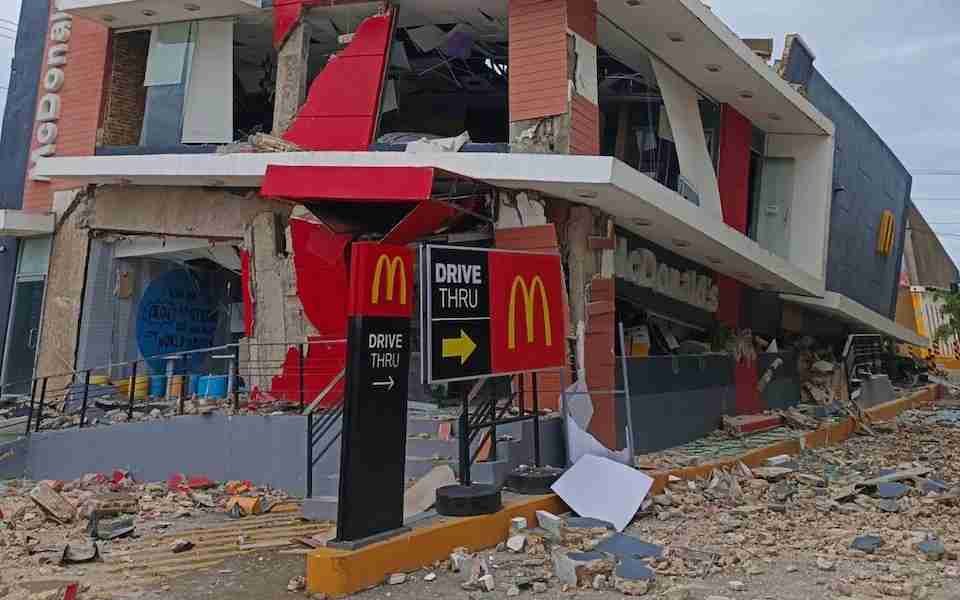
Damage Across Cebu and Neighboring Areas
The earthquake caused extensive structural damage in multiple towns:
Bogo City reported fatalities and collapsed homes.
Several commercial establishments, including a fast-food chain and small retail stores, were partially destroyed.
Power outages affected many districts, leaving communities in the dark hours after the quake.
Roads and bridges sustained cracks and partial collapses, hampering rescue vehicles.
Emergency teams are inspecting vital infrastructure to determine which areas remain safe and which require urgent evacuation.
Government and Emergency Response
President Ferdinand Marcos Jr. extended condolences to the victims’ families and directed national agencies to provide immediate relief. The Office of Civil Defense has dispatched medical teams, search-and-rescue units, and heavy equipment to assist local governments.
Relief distribution centers have been established in evacuation zones, providing food, water, and temporary shelter to displaced residents. The Philippine Institute of Volcanology and Seismology (PHIVOLCS) has also advised the public to prepare for aftershocks, which are expected to continue in the coming days.
Tsunami Alert and Aftershocks
Initially, a tsunami alert was raised following the quake, prompting residents in coastal areas to move inland. Hours later, the advisory was lifted after experts confirmed no imminent threat.
However, officials remain cautious. Multiple aftershocks have already been recorded, some strong enough to be felt in Cebu City and neighboring islands. Authorities are urging residents to avoid re-entering damaged buildings until structures are declared safe.
Historical Context: Earthquakes in the Philippines
The Philippines sits along the Pacific Ring of Fire, a highly active seismic zone where major earthquakes are common. Past disasters include:
The 2013 Bohol earthquake (magnitude 7.2), which devastated parts of Cebu and Bohol.
The 1990 Luzon earthquake (magnitude 7.8), one of the deadliest in Philippine history.
The 2019 Mindanao earthquakes, which displaced thousands and caused widespread damage.
Today’s quake in Cebu, while not the strongest, is one of the most destructive this year, underscoring the country’s vulnerability.
Safety Guidelines for Residents
Officials are reminding the public of standard safety protocols:
During an Earthquake
Indoors: Drop, cover, and hold on. Stay away from glass and unsecured shelves.
Outdoors: Move to open spaces, away from buildings and electrical lines.
Driving: Stop safely and remain inside until shaking stops.
After an Earthquake
Check for gas leaks, fires, or damaged wiring.
Avoid entering buildings with visible cracks.
Stay updated on official advisories regarding aftershocks and evacuation orders.
Keep emergency kits ready with food, water, and medical supplies.
Quick Earthquake Facts
| Detail | Information |
|---|---|
| Magnitude | 6.9 |
| Epicenter | 19 km NE of Bogo City, Cebu |
| Depth | ~5–10 km (shallow) |
| Fatalities | At least 69 |
| Injuries | 150+ |
| Major Impact | Collapsed buildings, road damage, power outages |
| Tsunami Alert | Issued then lifted |
| Aftershocks | Multiple, ongoing |
Final Thoughts
The Cebu earthquake of 2025 has once again reminded Filipinos of the reality of living in one of the world’s most seismically active regions. While the immediate priority is search, rescue, and relief, the long-term challenge will be rebuilding infrastructure and strengthening disaster preparedness.
Authorities stress that earthquake awareness, strict enforcement of building codes, and community readiness remain the country’s best defense against future disasters. For now, the focus stays on saving lives, helping the injured, and supporting the thousands affected by this devastating quake.