




You hit the gym five days a week. You track your macros with precision. You prioritize sleep. Yet, sometimes the results in the mirror don’t seem to match the sheer effort you feel in your muscles. It is a frustrating plateau that almost every fitness enthusiast faces eventually. While a solid diet and consistent training plan are the non-negotiable foundations of any fitness journey, they aren’t always enough to take you to that next level of performance.
This is where supplementation enters the conversation. Supplements are designed to fill the nutritional gaps that whole foods might miss, providing your body with the concentrated fuel it needs to repair tissue, build muscle, and sustain energy levels during grueling workouts. They aren’t magic pills, but when used correctly, they act as force multipliers for your hard work.
Understanding which products actually work—and which are just marketing hype—is the first step toward transforming your physique. This guide breaks down the essential supplements that can help you reshape your body and, by extension, your life.
Building Blocks: Supplements for Muscle Growth and Recovery
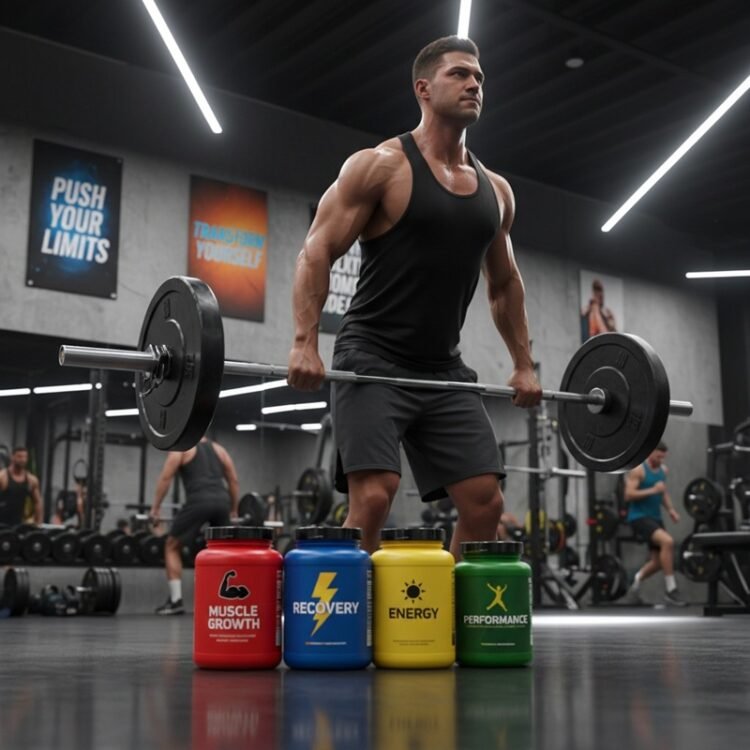
If your goal is to change your body composition, you need to focus on muscle tissue. Whether you want to bulk up or just look “toned,” muscle is metabolic currency. To build and keep it, your body requires specific resources.
Whey Protein
Protein is the most famous supplement for a reason. It provides the amino acids necessary to repair muscle fibers torn during exercise. While you can get protein from chicken, fish, and eggs, hitting a high protein target (often 1 gram per pound of body weight) through food alone can be difficult and expensive.
Whey protein is derived from milk and is rapidly absorbed by the body, making it ideal for post-workout recovery. It spikes muscle protein synthesis right when you need it most. For those who are lactose intolerant or vegan, plant-based isolates (like pea or rice protein) have improved significantly in taste and texture, offering a viable alternative.
Creatine Monohydrate
Creatine is widely considered the most researched and effective performance supplement on the market. It works by increasing the phosphocreatine stores in your muscles. This helps your body produce more ATP—the primary energy carrier in cells—during high-intensity, short-duration exercises like heavy lifting or sprinting.
Practically, this means you can squeeze out one or two extra reps or lift slightly heavier weights. Over time, that extra volume compounds into significant muscle growth. It also draws water into the muscle cells, giving them a fuller appearance and improving hydration status.
Branched-Chain Amino Acids (BCAAs)
BCAAs consist of three essential amino acids: leucine, isoleucine, and valine. Leucine, in particular, plays a critical role in initiating muscle protein synthesis. While a protein-rich diet usually provides enough BCAAs, supplementing with them during a workout can help reduce muscle breakdown (catabolism) and alleviate delayed onset muscle soreness (DOMS), allowing you to get back to the gym sooner.
Fueling the Engine: Boosting Energy and Performance
Having the muscle is one thing; having the drive to use it is another. Performance supplements are designed to sharpen your focus and extend your endurance.
Pre-Workout Formulas
Pre-workout supplements are synonymous with energy. Most contain caffeine, which improves focus and reduces the perception of effort, making heavy weights feel lighter. However, good pre-workouts go beyond simple stimulation. Look for ingredients like Citrulline Malate, which improves blood flow (the “pump”), and Betaine, which can support power output.
Beta-Alanine
If you have ever taken a pre-workout and felt a tingling sensation on your skin, that was Beta-Alanine. This amino acid helps produce carnosine, a compound that buffers acid buildup in muscles during high-intensity exercise. By delaying muscle acidity, Beta-Alanine helps you push through the “burn” and sustain high performance for longer periods.
The Unsung Heroes: Vitamins and Minerals
You cannot build a skyscraper on a cracked foundation. While protein and pre-workouts get the glory, micronutrients ensure your body’s machinery is running smoothly enough to handle the stress of training.
Magnesium
Magnesium is involved in over 300 biochemical reactions in the body, including muscle contraction and energy production. It is also vital for the nervous system. A deficiency can lead to cramps, fatigue, and poor sleep. Supplementing with magnesium (specifically forms like glycinate or citrate) can improve sleep quality, which is when the majority of muscle recovery occurs.
Vitamin D
Often called the “sunshine vitamin,” Vitamin D acts more like a hormone in the body. It is crucial for bone health and immune function. For athletes, Vitamin D levels are directly correlated with muscle strength and performance. Since many people work indoors and get limited sun exposure, supplementation is often necessary to maintain optimal levels.
Omega-3 Fatty Acids
Found in fish oil, Omega-3s are powerful anti-inflammatories. Intense training causes inflammation; while acute inflammation signals the body to repair, chronic inflammation hinders progress and leads to injury. Omega-3s help manage this response, supporting joint health and reducing muscle soreness.
Curating Your Stack: How to Choose
Walking into a supplement store can be overwhelming. The shelves are lined with neon tubs promising the world. To choose the right stack, you must define your primary goal.
If your goal is weight loss: Focus on a high-quality protein powder to maintain muscle mass while in a calorie deficit. Consider a multivitamin to cover nutritional bases as you eat less food. Avoid mass gainers or supplements high in added sugars.
If your goal is muscle gain: Prioritize Creatine Monohydrate and Whey Protein. You might also consider a carbohydrate powder to consume during or after workouts to replenish glycogen stores quickly.
If your goal is general health: Start with a high-quality multivitamin, Vitamin D3, and Fish Oil. These support your baseline health, making your occasional workouts more effective.
Busting the Myths
Before you fill your shopping cart, it is vital to address the misconceptions that often confuse beginners.
Myth 1: Supplements replace a bad diet
You cannot out-supplement a diet of processed food and sugar. Supplements are meant to supplement a balanced diet, not replace it. If your whole-food nutrition is poor, pills and powders will have a negligible impact.
Myth 2: Protein powder makes women “bulky”
This is a persistent fear that holds many back. Gaining significant muscle mass requires high testosterone levels and a caloric surplus, not just protein shakes. For women, protein supports a lean, toned physique and helps with fat loss by keeping satiety levels high.
Myth 3: More is always better
Taking double the recommended dose of pre-workout won’t give you double the workout; it will likely just give you the jitters and a crash later. Your body can only absorb and utilize so many nutrients at once. Always follow the recommended dosage on the packaging.
Taking the Next Step
Transforming your body is a long game. It requires patience, discipline, and the willingness to learn what works for your unique physiology. MyFitness Supplements aren’t about finding a shortcut; they are about optimizing the hard work you are already doing.
Start with the basics. Ensure your protein intake is adequate, consider creatine for strength, and don’t neglect your vitamins. Listen to your body, track your progress, and adjust your stack as your goals evolve. The tools for transformation are available—now it is up to you to use them.
Frequently Asked Questions
Is Creatine safe for long-term use?
Yes, creatine is one of the most studied supplements in history. Long-term studies have shown it to be safe for healthy individuals. It does not cause kidney damage in people with healthy kidney function.
When is the best time to take protein?
Total daily protein intake matters more than timing. However, consuming protein within a few hours after your workout can help maximize the recovery response. Many people also find a protein shake convenient for breakfast or a midday snack.
Can I take supplements on rest days?
Yes, and for some supplements, you should. Creatine, for example, needs to build up in your system, so it should be taken daily regardless of whether you train. Vitamins and Omega-3s should also be taken daily to maintain consistent levels in the body.
Do I need to “cycle” my pre-workout?
It is often a good idea. Your body can build a tolerance to caffeine, meaning you need more to feel the same effects. Taking a break for a week or two every couple of months can help reset your sensitivity.
Read Also: What is Masseter Botox? Explained