


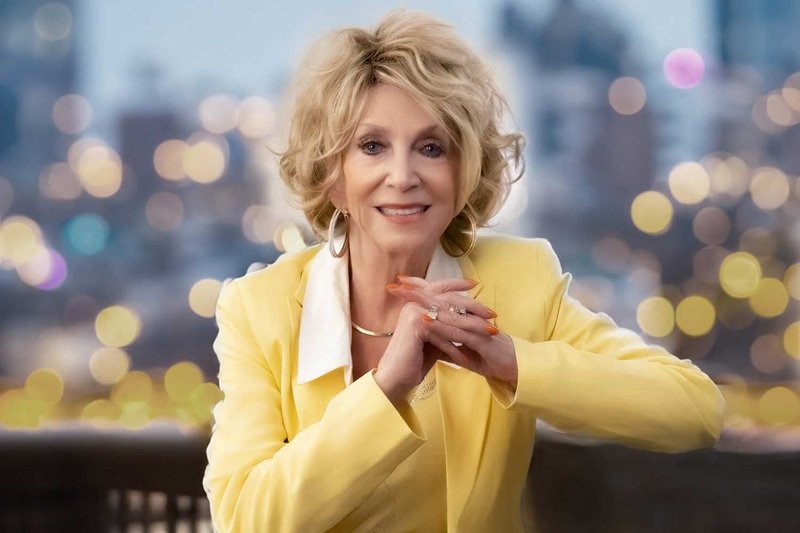
Jeannie Seely: An Era Ends at the Grand Ole Opry
Jeannie Seely—country music’s trailblazer, storyteller, and “Miss Country Soul”—has died at age 85, leaving Nashville and the world a little quieter today. The legendary singer passed away peacefully at Summit Medical Center in Hermitage, Tennessee, on August 1, 2025, after complications from an intestinal infection. Her death marks the loss of one of the Grand Ole Opry’s most enduring and beloved figures, a woman whose wit, warmth, and unfiltered honesty brought new energy to country music at a time when it needed her most.
A Life Lived in Song
Jeannie Seely was born Marilyn Jeanne Seely on July 6, 1940, in Titusville, Pennsylvania, the daughter of a singing mother and a banjo-playing father. She grew up on the family farm, falling in love with country radio and performing on local stations as a child. In her early 20s, with a voice already seasoned beyond her years, she left for Los Angeles—not for Hollywood stardom, but for a job at a record label. There, she wrote for others, sang on TV, and played music with future stars like Glen Campbell.

But Nashville was always the goal. When she arrived in 1965, the scene was ripe for reinvention—women were few, and the rules were many. Seely didn’t just break the mold; she shattered it. Within two years, she was a Grand Ole Opry member—and soon, the first woman to regularly host and emcee segments on its hallowed stage. She became the Opry’s most-performed artist ever, with 5,397 appearances—a record unlikely to be surpassed.
The Voice That Touched Millions
Her signature song, “Don’t Touch Me,” written by Hank Cochran, became a Grammy-winning hit in 1966, earning her the Country & Western Female Vocal Performance award. With over 20 chart singles, Seely’s music was at once intimate and universal—quiet ballads about longing and loss, rowdy duets with Jack Greene, and songs of resilience that found life off the road, on Broadway, and in film soundtracks.
Her “Miss Country Soul” nickname wasn’t just marketing—it was earned. She sang with a crackling vulnerability, a down-home wisdom in every note. Fans and peers alike loved her for her no-nonsense personality, her sharp humor, and her genuine kindness. As Dolly Parton remembered: “We had many wonderful laughs together, cried over certain things together and she will be missed”.
Shattering Glass Ceilings—and Skirt Lengths
When Seely walked onstage at the Grand Ole Opry in a miniskirt, it wasn’t just a fashion statement—it was a declaration. “I never planned to set any sort of trend,” she later recalled. “I’m about like any other normal American girl my age. I think I dress and act pretty much the way she does”. The move upset traditionalists, but it helped to redefine what it meant to be a female artist in country music—bold, modern, and unapologetically herself.
She kept pushing boundaries: hosting her own radio shows, mentoring younger artists, and advocating for women in the industry. She was published author, a frequent charity fundraiser, and a tireless supporter of music education for senior’s. As recently as 2024, she was recording new music and hosting her SiriusXM show, proving that passion, not just pipes, fueled her career.
Legacy of Laughs and Love
Even in her 80s, facing mounting health challenges—multiple back surgeries, two emergency abdominal procedures, and a battle with pneumonia—Seely remained determined and upbeat. “Rehab is pretty tough,” she wrote last spring, “but each day is looking brighter and last night, I saw a light at the end of the tunnel. And it was neon, so I knew it was mine!”.
Seely’s legacy is not only in her music, but in the way she lived and led—a Nashville icon who proved that country music could be both classic and cutting-edge, sentimental and subversive. Her influence echoes in generations of artists who now stand a little taller—and, if they’re daring, maybe even wear a miniskirt on stage.
At her final Grand Ole Opry performance, on February 22, 2025, fans rose to their feet, as they had nearly 5,400 times before. There were tears, laughter, and maybe even a raised glass or two. Jeannie Seely gave country music—and Nashville—a heart as big as her legend. Now, the Opry’s house lights are a little dimmer, but the songs, the stories, and the spirit live on.