



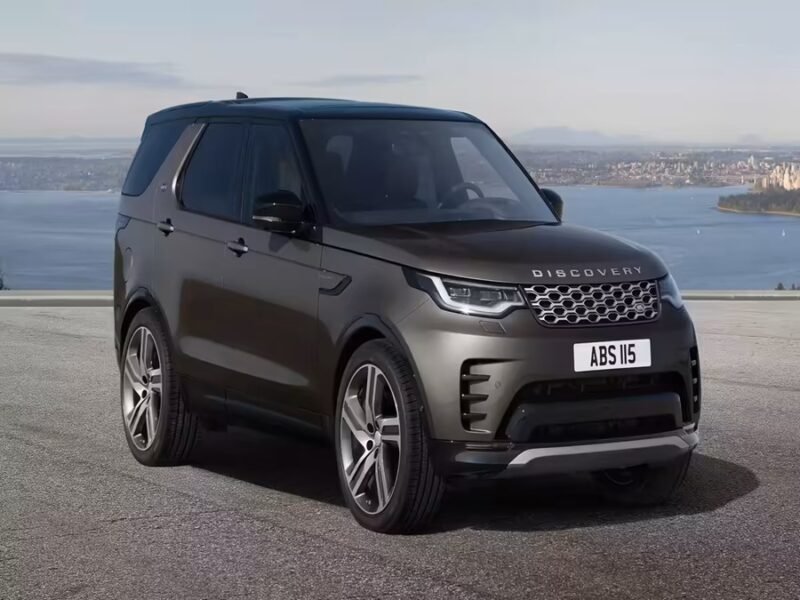
India’s automotive landscape is about to witness a groundbreaking transformation. Jaguar Land Rover (JLR), in partnership with Tata Motors, has officially inaugurated a massive Rs 9,000 crore manufacturing facility that will produce India’s first fully domestically-made luxury electric SUV. This milestone marks a pivotal moment in the country’s journey toward electric mobility and self-reliance in premium vehicle manufacturing.
For automotive enthusiasts, eco-conscious drivers, and luxury car buyers, this development signals more than just another product launch—it represents India’s emergence as a global hub for electric vehicle innovation and manufacturing excellence.
Understanding the Jaguar Land Rover-Tata Motors Partnership
The synergy between Jaguar Land Rover and vehicles of Tata Motors has been one of the automotive industry’s most successful cross-border collaborations. Since Tata Motors acquired JLR in 2008 for $2.3 billion, the partnership has evolved from a business transaction into a strategic alliance that leverages Indian engineering capabilities with British luxury craftsmanship.
Key Highlights of the Rs 9,000 Crore Investment
- State-of-the-art manufacturing facility spanning over 400 acres
- Production capacity of 100,000 luxury electric vehicles annually
- Employment generation of approximately 5,000 direct jobs and 15,000 indirect opportunities
- Advanced robotics and AI-driven quality control systems
- Zero-carbon manufacturing processes aligned with global sustainability standards
Pro Tip: This facility represents India’s largest single investment in luxury electric vehicle manufacturing, positioning the country alongside Germany, the US, and China in premium EV production.
What Makes This Luxury Electric SUV Different?
Unlike previous luxury vehicles that were either imported as completely built units (CBUs) or assembled from imported components (CKD), this upcoming electric SUV will be 100% manufactured in India—from chassis to software integration.
Expected Specifications and Features
| Feature Category | Specification Details |
| Powertrain | Dual-motor AWD configuration |
| Battery Capacity | 90-100 kWh lithium-ion pack |
| Range (Estimated) | 450-500 km on single charge |
| Fast Charging | 10-80% in under 40 minutes |
| Luxury Features | Premium Meridian audio, panoramic sunroof, adaptive air suspension |
| Safety Rating | Expected 5-star Global NCAP |
| Connected Tech | Over-the-air updates, AI voice assistant |
Technology Integration
The electric SUV will feature cutting-edge technology that rivals international competitors:
- Regenerative braking system that extends range by up to 15%
- Advanced Driver Assistance Systems (ADAS) including adaptive cruise control and lane-keeping assist
- Integrated thermal management for optimal battery performance in India’s diverse climate
- Smart connectivity through JLR’s Pivi Pro infotainment system
Cost Analysis: Value for Money Assessment
While official pricing hasn’t been announced, industry analysts estimate the luxury electric SUV will be positioned between Rs 75 lakh to Rs 1.2 crore (ex-showroom), making it competitive with imported luxury EVs while offering superior localization benefits.
Cost-Per-Kilometer Breakdown
| Cost Factor | Electric SUV | Comparable Diesel Luxury SUV |
| Fuel/Electricity Cost per km | Rs 1.20 – Rs 1.80 | Rs 8.50 – Rs 10.50 |
| Annual Maintenance | Rs 25,000 – Rs 35,000 | Rs 75,000 – Rs 95,000 |
| Road Tax Savings | Up to 50% in most states | Standard rates |
| Insurance Premium | 15-20% lower (green vehicle) | Standard premium |
| 5-Year Ownership Cost | Rs 3.2 – Rs 4.5 lakhs | Rs 7.5 – Rs 9.8 lakhs |
Pro Tip: Electric vehicle owners save an average of Rs 4-5 lakhs over five years compared to diesel luxury SUV owners, making the higher initial investment worthwhile for long-term value.
Impact on India’s Automotive Ecosystem
The establishment of this manufacturing facility has far-reaching implications for India’s automotive industry and economic growth.
Manufacturing Excellence
The vehicles of Tata Motors have consistently demonstrated engineering prowess with models like the Nexon EV, Harrier, and Safari. This JLR facility takes that expertise to the luxury segment, incorporating:
- Indigenous battery technology developed in collaboration with Indian research institutions
- Local supplier ecosystem with over 200 domestic component manufacturers
- Skill development programs training 10,000+ technicians in EV manufacturing
- Export potential targeting Middle East, Southeast Asia, and African markets by 2026
Government Support and Policy Alignment
The project aligns perfectly with India’s ambitious goals:
- FAME III (Faster Adoption of Manufacturing of Electric Vehicles) subsidy benefits
- PLI scheme for automotive manufacturing providing incentives worth Rs 1,800 crore
- Customs duty reduction on critical EV components
- State-level incentives from Maharashtra government including land subsidies and tax breaks
Comparing Options: How Does It Stack Up?
For luxury electric SUV buyers in India, here’s how the upcoming JLR electric SUV compares with current market options:
Competitive Analysis Table
| Model | Price Range | Range (km) | Made In | Key Advantage |
| JLR India Electric SUV | Rs 75L – Rs 1.2 Cr (est.) | 450-500 | India | Full localization, lower costs |
| BMW iX | Rs 1.16 Cr – Rs 1.21 Cr | 425-630 | Germany | Established brand heritage |
| Mercedes EQC | Rs 1.07 Cr – Rs 1.15 Cr | 440-471 | Germany | Premium interiors |
| Audi e-tron | Rs 1.02 Cr – Rs 1.18 Cr | 359-484 | Germany | Advanced quattro AWD |
| Volvo XC40 Recharge | Rs 56L – Rs 61L | 418-475 | Belgium/China | Scandinavian safety focus |
Pro Tip: The locally manufactured JLR electric SUV will likely offer better after-sales support, faster spare parts availability, and lower maintenance costs compared to fully imported competitors.
Target Audience: Who Should Consider This Vehicle?
Ideal Buyer Profiles
Eco-Conscious Luxury Seekers
- Environmental advocates who refuse to compromise on comfort and prestige
- Professionals looking to reduce their carbon footprint without sacrificing luxury
- Expected savings: Rs 4-6 lakhs over 5 years in fuel and maintenance
Business Executives and Entrepreneurs
- Corporate leaders seeking sophisticated yet sustainable mobility
- Benefit from lower GST rates (5% vs 28% on diesel luxury vehicles)
- Impressive tech features for business connectivity on the move
Tech Enthusiasts
- Early adopters excited about cutting-edge automotive technology
- Those who value over-the-air updates and smart connectivity
- Interested in AI-powered features and autonomous driving capabilities
Patriotic Premium Buyers
- Support for “Make in India” initiative at the luxury segment
- Pride in owning India’s first fully domestically-produced luxury electric SUV
- Contributing to local employment and economic growth
Styling and Customization Options
Jaguar Land Rover is renowned for offering extensive personalization, and this electric SUV will likely continue that tradition with India-specific options:
Expected Customization Features
- 15+ exterior color options including India-exclusive shades
- 3-4 interior trim levels from Luxury to First Edition
- Wheel options ranging from 19-inch to 22-inch alloys
- Bespoke upholstery with vegan leather alternatives for eco-conscious buyers
- Technology packages for enhanced ADAS and entertainment systems
Styling Hack: Opt for lighter exterior colors in India’s climate to reduce heat absorption and minimize air conditioning usage, thereby extending your electric range by 5-8%.
Charging Infrastructure and Practicality
One concern for luxury electric vehicle buyers is charging accessibility. Here’s the reality:
Charging Solutions
Home Charging Setup
- Installation cost: Rs 50,000 – Rs 1.2 lakhs for 7kW-11kW wall charger
- Overnight charging (8 hours) for full battery replenishment
- Expected partnership with Tata Power for subsidized home installation
Public Charging Network
- Access to Tata Power’s 5,000+ charging stations nationwide
- JLR-specific fast-charging network planned in 50+ cities
- Charging cost: Rs 15-20 per kWh (Rs 1,350-1,800 for full charge)
Workplace Charging
- Growing corporate installations, especially in tech parks and business districts
- Some employers offer free EV charging as an employee benefit
Pro Tip: Calculate your daily driving needs. Most luxury EV buyers drive less than 100 km daily, meaning you’ll charge just twice weekly even with moderate usage.
Booking and Purchase Process
While official booking details haven’t been announced, here’s what to expect based on typical luxury EV launches:
Pre-Launch Phase (Current)
- Expression of Interest registration through JLR India website
- Exclusive preview events for existing Tata Motors and JLR customers
- Early bird benefits potentially including free home charger installation
Launch Phase (Expected Q3-Q4 2025)
- Official price announcement with variant details
- Booking amount likely Rs 2-5 lakhs (fully refundable)
- Delivery timeline 3-6 months from booking confirmation
- Test drive programs at JLR dealerships nationwide
[Register Your Interest Now] — Be among the first to experience India’s luxury electric revolution.
Expert Maintenance and Ownership Tips
Electric vehicles require different maintenance approaches compared to internal combustion engines:
Annual Maintenance Essentials
Lower Maintenance Requirements
- No engine oil changes (saves Rs 15,000-20,000 annually)
- No exhaust system maintenance
- Reduced brake wear due to regenerative braking
- Fewer moving parts means fewer potential failures
Critical Care Points
- Battery health monitoring through smartphone app
- Tire rotation every 10,000 km (EVs wear tires faster due to instant torque)
- Cooling system checks annually for battery thermal management
- Software updates over-the-air, no dealer visit needed
Warranty Coverage Expected
- 8-year/160,000 km battery warranty (industry standard)
- 5-year/100,000 km comprehensive vehicle warranty
- 12-year anti-corrosion warranty
Pro Tip: Always maintain your battery charge between 20-80% for daily use. Reserve 100% charging for long trips only. This practice can extend battery life by 20-30%.
Sustainability and Environmental Impact
This facility represents India’s commitment to sustainable luxury:
Green Manufacturing Statistics
- 70% reduction in water consumption compared to conventional automotive plants
- 100% renewable energy powered manufacturing by 2027
- Zero liquid discharge water treatment and recycling systems
- 95% recyclability of vehicle components at end-of-life
Carbon Footprint Comparison
| Vehicle Type | Annual CO2 Emissions (kg) |
| Luxury Electric SUV | 1,200 – 1,800 (based on India’s power grid) |
| Diesel Luxury SUV | 5,400 – 6,200 |
| Petrol Luxury SUV | 6,800 – 7,500 |
Driving this electric SUV reduces your carbon footprint by 70-75% compared to traditional luxury vehicles, equivalent to planting 250-300 trees annually.
Industry Expert Perspectives
Leading automotive analysts have weighed in on this development:
“This is India’s Tesla moment,” says Puneet Gupta, Director at IHS Markit. “The combination of Tata’s manufacturing efficiency and JLR’s luxury pedigree creates a formidable offering that can compete globally.”
Market projections suggest the luxury electric vehicle segment in India will grow from current 2,500 units annually to over 25,000 units by 2030, with locally-manufactured options capturing 60% market share.
Frequently Asked Questions (FAQs)
1. When will the JLR electric SUV be available for purchase in India?
The official launch is expected in Q3 or Q4 2025, with bookings likely opening 2-3 months before the launch. Pre-launch registrations of interest may begin earlier through JLR dealerships and the official website. Deliveries for early bookers should commence by late 2025 or early 2026.
The phased approach allows JLR to ramp up production and ensure quality standards are met. First Edition models with premium features will be delivered to initial customers, followed by standard variants.
2. What will be the approximate price range, and are there government subsidies available?
Industry experts estimate pricing between Rs 75 lakh to Rs 1.2 crore (ex-showroom), depending on variant and customization. While luxury vehicles typically don’t qualify for FAME subsidies (which cap at Rs 40 lakh vehicle price), buyers can benefit from:
- Lower GST rate: 5% on electric vehicles vs 28% on conventional luxury vehicles (effective savings of Rs 17-28 lakhs)
- State-level incentives: Road tax exemption or reduction (up to 50% in states like Delhi, Maharashtra)
- Income tax benefits: Deduction of up to Rs 1.5 lakhs on loan interest under Section 80EEB
The localized manufacturing significantly reduces costs compared to imported luxury EVs, offering better value proposition.
3. How does the charging infrastructure in India support luxury electric SUVs?
India’s EV charging infrastructure has expanded dramatically, with over 12,000 public charging stations as of 2025 and aggressive expansion plans. For luxury EV owners:
Home Charging: Most suitable option, with 7-11kW wall chargers providing full charge overnight. Expected installation partnerships between JLR and Tata Power will offer subsidized home charging solutions.
Fast Charging Network: Tata Power, BPCL, and IOCL operate extensive DC fast-charging networks along highways and in urban centers. The vehicle should charge from 10-80% in under 40 minutes at 150kW+ fast chargers.
Dealer Network: JLR dealerships will install charging facilities, ensuring you can charge while servicing your vehicle.
Pro Tip: Download apps like Tata Power EZ Charge, ChargeZone, and PlugShare to locate charging stations on your routes.
4. What are the long-term reliability and resale value concerns for electric luxury vehicles?
This is a valid concern for luxury buyers. Here’s what the data shows:
Battery Longevity: Modern EV batteries retain 80-85% capacity after 8 years or 160,000 km. The warranty typically covers degradation beyond this. Real-world data from Tesla and other EVs shows batteries often last 15-20 years with proper care.
Resale Value: Electric vehicles currently depreciate 15-20% faster than conventional vehicles in the first 3 years, mainly due to rapid technology advancement. However, as EV technology stabilizes and demand increases, this gap is narrowing. Luxury EVs from established brands like JLR hold value better than newer EV-only brands.
Reliability: EVs have fewer moving parts (about 20 vs 2,000 in conventional cars), resulting in higher reliability ratings. Expected maintenance costs are 40-60% lower over the vehicle’s lifetime.
Advantage: Being India’s first fully locally-manufactured luxury EV may give this vehicle collector appeal, potentially maintaining better resale value than typical luxury vehicles.
5. How does this compare to buying an imported luxury electric SUV from European brands?
The key differentiators make a compelling case for the locally-manufactured option:
Price Advantage: Local manufacturing eliminates import duties (60-100% on CBUs), making it 20-30% more affordable than comparable imported luxury EVs while maintaining similar or better specifications.
After-Sales Support: Wider service network through existing Tata Motors and JLR dealerships (100+ locations) compared to limited service centers for imported brands. Spare parts availability is significantly better for locally manufactured vehicles.
Customization: More India-specific features like enhanced cooling systems for extreme temperatures, suspension tuning for Indian roads, and localized software features.
Wait Times: Imported luxury EVs face 6-12 month waiting periods due to global demand and supply chain issues. Local production should reduce this to 3-6 months.
Patriotic Premium: Supporting Indian manufacturing and employment while reducing carbon footprint of vehicle shipping from Europe (each imported vehicle generates 2-3 tons CO2 during transportation).
Trade-off: Imported European brands may still have edge in badge appeal and established luxury heritage, though JLR itself is a prestigious British brand.
The Road Ahead: Future Prospects
This facility opening is just the beginning. Jaguar Land Rover and vehicles of Tata Motors have outlined ambitious plans:
Upcoming Developments
- Range expansion with 3 additional electric models by 2028
- Battery manufacturing facility planned with 20 GWh capacity
- Autonomous driving technology development center in Pune
- Export hub targeting right-hand drive markets globally
The success of this venture could inspire other luxury automakers to establish manufacturing in India, transforming the country into a global luxury EV manufacturing hub.
Conclusion: A Watershed Moment for Indian Automotive Industry
The opening of this Rs 9,000 crore facility marks more than just another manufacturing plant—it represents India’s arrival on the global luxury electric vehicle stage. For buyers, this translates into:
✓ World-class luxury without the import premium ✓ Environmental responsibility without compromising comfort ✓ Cutting-edge technology with India-specific refinements ✓ Economic value through lower running and maintenance costs ✓ National pride in supporting Make in India at the premium segment
Whether you’re an existing luxury car owner considering the electric transition, a first-time luxury buyer seeking sustainable options, or an automotive enthusiast excited about India’s manufacturing capabilities, this development deserves your attention.
[Book Your Exclusive Preview] — Visit your nearest JLR dealership to register interest and stay updated on launch timelines, pricing, and special offers.
Final Pro Tip: Given the anticipated demand and limited initial production capacity, early registration is advisable. The first 1,000 customers typically receive special Edition features, complimentary home chargers, and lifetime free charging at select networks—benefits worth Rs 3-5 lakhs over the vehicle’s lifetime.
India’s luxury electric revolution begins today. Will you be part of this historic journey?