




Fire is an unpredictable and deadly force that can engulf a building in flames within minutes. Detecting a fire early is vital in safeguarding human lives and minimizing property damage. Modern Fire Detection Systems provide the advanced warning necessary to evacuate people and activate fire control measures. By understanding the mechanisms and advantages of these systems, individuals and businesses can significantly enhance their safety profiles. Keep reading to gain insights into the critical role of fire detection technology in today’s world.
The Importance of Early Fire Detection for Safety and Security
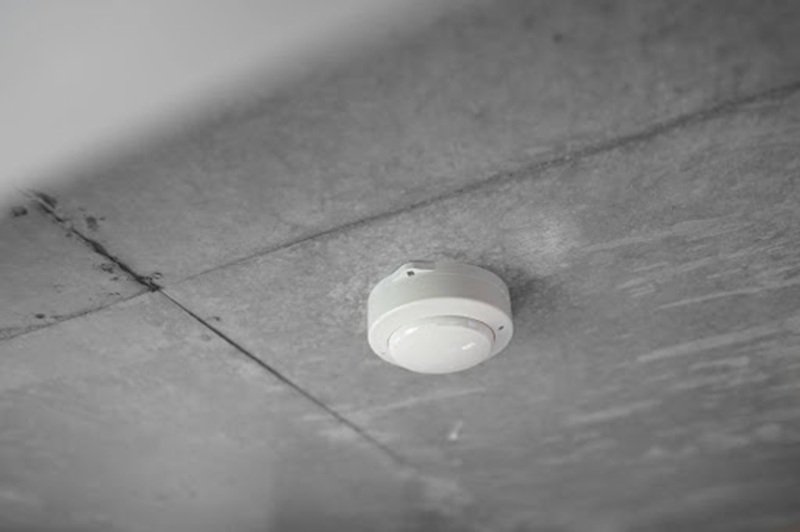
Early fire detection is essential for protecting both lives and property, as rapid identification of a fire allows occupants more time to evacuate, often making the difference between life and death. Swift detection also helps limit property damage, enabling emergency services to respond quickly and contain fires before they spread, which preserves business continuity and reduces losses.
Effective fire detection systems are critical for compliance with safety regulations, helping organizations avoid legal consequences and maintain stakeholder trust. Properties with reliable fire detection systems may also benefit from lower insurance premiums, as insurers recognize the reduced risk of severe damage and claims, providing both financial and safety advantages.
How Modern Fire Detection Systems Work to Protect Lives
Modern fire detection systems use a network of sensors and alarms to identify smoke, heat, or flames and alert occupants promptly. Sensors are strategically installed throughout a property to ensure early detection. Once a fire signature is detected, the system can trigger audio-visual alarms or send notifications directly to smartphones or central monitoring services, enabling swift evacuation and response.
Many systems are integrated with building management systems, allowing automatic activation of fire suppression mechanisms, such as sprinklers, and control of ventilation to limit smoke and fire spread. These systems also include fail-safes and backup power solutions, ensuring continuous operation even if the main power supply fails during an emergency.
The Role of Smoke Alarms and Heat Detectors in Fire Safety
and heat detectors play critical roles in fire detection. Smoke alarms sense the early presence of smoke, providing vital early warnings in residential settings. Heat detectors, however, respond to rapid temperature increases, making them effective in areas where smoke is common, such as kitchens or near combustion processes.
While heat detectors may activate more slowly than smoke alarms, they remain essential in these environments. Regular testing and maintenance of both devices are necessary to ensure functionality, as a non-working detector cannot provide timely alerts. Using smoke alarms alongside heat detectors enhances fire detection by employing multiple methods, increasing the reliability and responsiveness of the system.
Integrating Fire Detection Systems with Emergency Response Plans

Effective fire detection relies not only on technology but also on its integration within a comprehensive emergency response plan. Proper planning ensures coordinated evacuations, reducing chaos during fire outbreaks. When fire detection systems are correctly integrated, they can interact with emergency features such as illuminated exit signs and automatic door releases, guiding occupants safely and efficiently.
Staff training and regular fire drills enhance this integration by familiarizing personnel with alarm sounds and evacuation procedures, improving response effectiveness. Beyond aiding evacuation, these systems provide firefighters with critical information about the fire’s location and affected areas, supporting strategic firefighting efforts and helping to manage the situation with greater precision and safety.
Innovations in Fire Detection Technology and Their Impact on Property Preservation
Innovations in fire detection technology are enhancing the ability of systems to respond quickly to emergencies. New detectors feature increased sensitivity to smoke and rapid heat changes, allowing fires to be identified at their earliest stages. Research into smart fire detection leverages artificial intelligence and machine learning to analyze sensor data, potentially spotting fires before conventional systems can.
(IoT) technology enables devices to communicate within a network, adapting to emerging hazards and allowing property owners to monitor alarms remotely. Advances in material technology are producing sensors that are less obtrusive and better integrated into building designs, maintaining aesthetics while delivering reliable fire detection.
Altogether, the integration of advanced fire detection technology into buildings is a critical investment for the safety and security of both lives and property. Through the rapid identification and thorough response coordination, these systems offer indispensable protection that can prevent tragedies and reduce damages due to the ravages of fire.