


Learning first aid can feel a bit serious at first, especially if you’ve never done anything like it before. Some people worry it will be too complicated or that they won’t remember what to do in a real emergency. That’s where the right teaching style makes a big difference. When the course is welcoming, relaxed, and clear, people feel more at ease — and they learn more.
Friendly first aid courses focus not just on what you’re being taught, but how you’re taught it. The trainers take time to explain things in a simple way. You’re allowed to ask questions, get things wrong, and try again without being made to feel silly. This helps build confidence, especially for people who are nervous or learning for the first time.
What the Training Covers
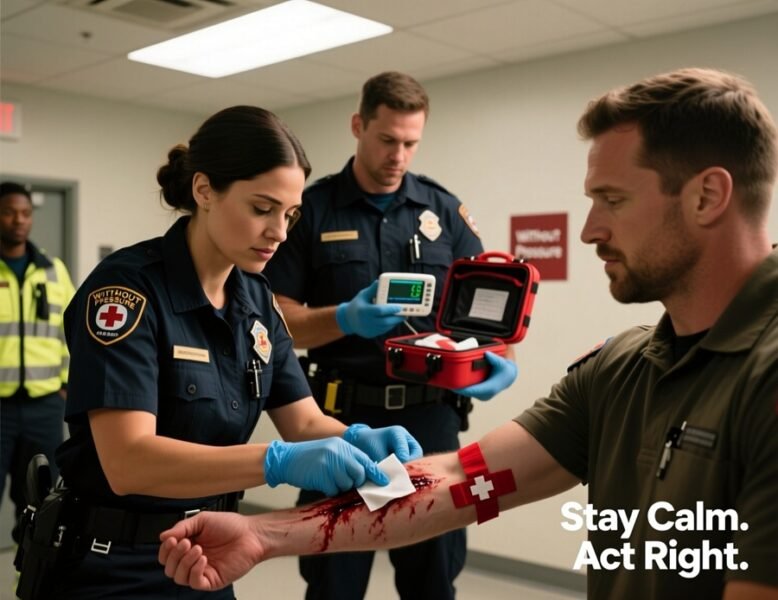
Most first aid courses teach the same core skills. You learn how to help someone who’s bleeding, having a seizure, choking, or struggling to breathe. You’re shown how to check someone’s response, call for help, and give CPR if their heart has stopped. In many sessions, you also get the chance to practise using a defibrillator, which is becoming more common in public places.
Some courses are short and simple, aimed at people who just want the basics. Others go into more detail, especially if they’re for work or professional use. No matter the level, the best trainers know how to keep the tone light while still making sure you understand the serious parts. It’s about giving people the skills without making the session feel like a test.
Many sessions include hands-on practice using mannequins or simple props. This part is important because it’s often easier to remember something you’ve done yourself rather than just watched or read about. You also get to work with others in the group, which helps build trust and teamwork.
Who Can Benefit from It
These courses are useful for anyone. Parents often take part so they know what to do if their child gets hurt or stops breathing. Teachers, carers, sports coaches, and community workers also need to know how to respond when something goes wrong. And for everyday life, it’s helpful for anyone to feel ready in case of an emergency — whether you’re at home, at work, or out in public.
Some people avoid signing up because they think it’ll be too strict or too medical. But that’s why Friendly First Aid Courses are growing in popularity. They break the subject down into small steps and remove the fear that you have to get everything perfect. The aim is to give you the confidence to try, not to turn you into a professional.
A Better Way to Learn
The setting plays a part too. A calm, open classroom or even a local community hall can make the course feel more relaxed than a large training centre. The trainer often sets the tone by being open, easy to talk to, and clear about what to expect. You’re not rushed or made to feel embarrassed if something takes you a few tries.
Instructors who use real examples or share stories from their own experience can make the lessons feel more real. People tend to remember things better when they feel connected to the subject, rather than just reading it from a screen or handout.
Courses that are friendly and supportive usually leave people feeling encouraged rather than overwhelmed. You walk away not just with a certificate, but with the knowledge that you could make a difference when it really counts.
It’s Worth the Time
Learning first aid isn’t just about ticking a box. It’s about knowing you could help someone when they need it most. With the right course, it doesn’t have to feel scary or too serious. Friendly first aid courses give people the tools they need in a way that feels calm, clear, and welcoming — and that makes all the difference.