



In today’s digital-first world, businesses are generating massive amounts of customer data from multiple touchpoints. From website visits and mobile apps to email campaigns and offline interactions, every customer action creates valuable data. However, for many organizations, this data remains scattered across different systems, making it difficult to extract meaningful insights.
This fragmentation creates a major challenge. Without a unified view of the customer, businesses struggle to deliver personalized experiences, optimize marketing efforts, and drive revenue growth. A customer data platform helps solve this problem by transforming disconnected data into actionable intelligence that fuels business performance.
The Problem with Fragmented Customer Data
Most organizations rely on multiple tools to manage customer interactions. Marketing platforms, CRM systems, analytics tools, and ecommerce platforms often operate in silos. Each system captures a piece of the customer journey, but none provide a complete picture.
This leads to several issues:
- Inconsistent customer experiences across channels
- Duplicate or incomplete customer records
- Limited visibility into customer behavior
- Inefficient marketing campaigns
- Missed revenue opportunities
For example, a customer who browses products on a website, engages with emails, and makes a purchase in-store may be treated as three different users. This disconnect prevents businesses from understanding true customer intent.
What is a Customer Data Platform?
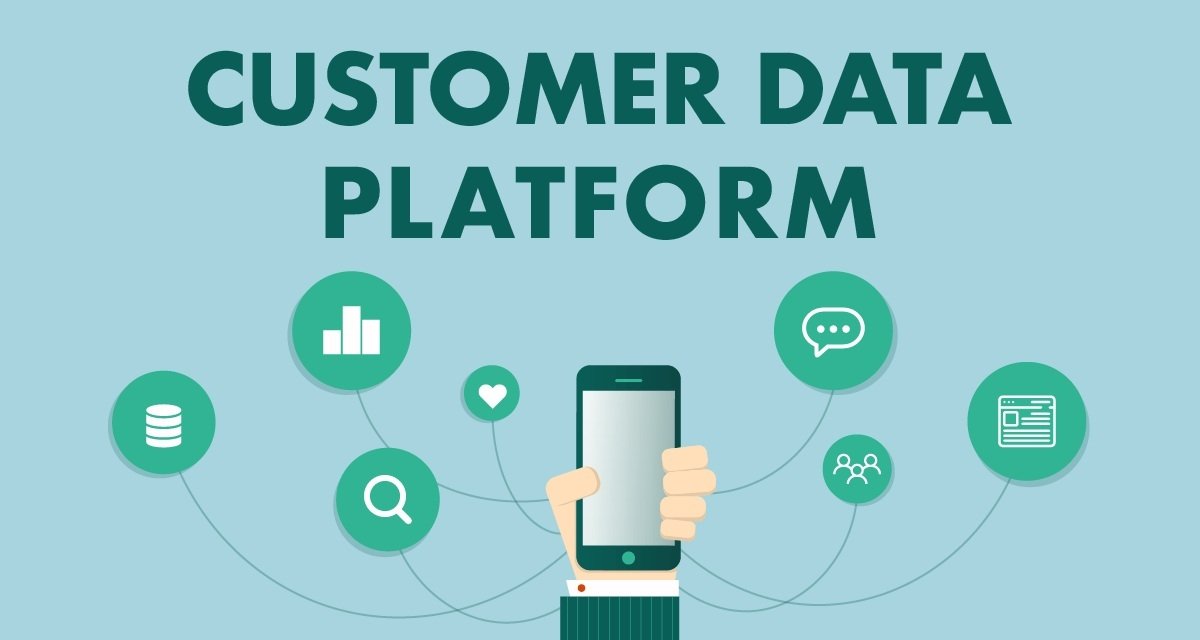
A customer data platform is a centralized system that collects, unifies, and activates customer data from multiple sources. It creates a single, persistent customer profile that can be used across marketing, sales, and customer experience teams.
Unlike traditional systems, a customer data platform is designed to:
- Ingest data from various online and offline sources
- Resolve identities across devices and channels
- Store unified customer profiles
- Enable real-time data access and activation
The result is a comprehensive and accurate view of each customer, which becomes the foundation for personalized experiences and data-driven decision-making.
From Data Collection to Intelligence
A customer data platform does more than just aggregate data. It transforms raw information into meaningful insights that businesses can act on.
Data Integration
The first step is collecting data from multiple sources such as websites, mobile apps, email platforms, CRM systems, and point-of-sale systems. This ensures that all customer interactions are captured in one place.
Identity Resolution
One of the most critical capabilities is identity resolution. The platform connects different data points to a single user, even if they interact across multiple devices or channels. This eliminates duplicate records and creates a unified profile.
Data Unification
Once identities are resolved, the platform merges data into a single customer view. This includes behavioral data, transactional history, preferences, and engagement metrics.
Insight Generation
Advanced analytics and machine learning models analyze the unified data to uncover patterns, trends, and opportunities. Businesses can identify high-value customers, predict churn, and understand buying behavior.
Data Activation
The final step is activation. Insights are pushed into marketing and engagement tools, enabling businesses to deliver personalized campaigns, recommendations, and experiences in real time.
How a Customer Data Platform Drives Revenue
A customer data platform is not just a data management tool. It is a revenue-driving engine that enables businesses to make smarter decisions and deliver better customer experiences.
Personalized Customer Experiences
With a unified view of the customer, businesses can tailor interactions based on individual preferences and behavior. Personalized product recommendations, targeted messaging, and relevant offers increase engagement and conversions.
Improved Marketing Efficiency
Instead of broad, generic campaigns, marketers can create highly targeted segments. This reduces wasted spend and improves campaign performance.
Better Customer Retention
By analyzing customer behavior, businesses can identify early signs of churn and take proactive steps to retain customers. Personalized engagement helps build long-term relationships.
Increased Customer Lifetime Value
Understanding customer preferences allows businesses to cross-sell and upsell more effectively. This leads to higher average order value and increased lifetime value.
Real-Time Decision Making
Access to real-time data enables businesses to respond instantly to customer actions. Whether it is sending a personalized email or updating website content, timely interactions improve the overall experience.
Key Use Cases
Audience Segmentation
Businesses can create dynamic segments based on behavior, demographics, and engagement patterns. This enables precise targeting and better campaign performance.
Omnichannel Personalization
A customer data platform ensures consistent experiences across all channels, including websites, mobile apps, email, and in-store interactions.
Campaign Optimization
Marketers can track performance in real time and optimize campaigns based on data insights.
Customer Journey Mapping
Understanding the complete customer journey helps businesses identify gaps and improve the overall experience.
Predictive Analytics
Machine learning models can predict future behavior, such as purchase intent or churn risk, allowing businesses to take proactive action.
Challenges Without a Customer Data Platform
Organizations that do not invest in a customer data platform often face:
- Disconnected customer experiences
- Inefficient use of data
- Low marketing ROI
- Limited personalization capabilities
- Difficulty scaling operations
As customer expectations continue to rise, these challenges can significantly impact growth and competitiveness.
Choosing the Right Customer Data Platform
Selecting the right platform is critical for success. Businesses should consider:
- Ability to integrate with existing systems
- Real-time data processing capabilities
- Scalability to handle growing data volumes
- Advanced analytics and segmentation features
- Ease of use for marketing and business teams
A well-chosen platform should align with both current needs and future growth plans.
The Future of Customer Data Platforms
As privacy regulations tighten and third-party cookies phase out, first-party data is becoming increasingly important. Customer data platforms will play a central role in helping businesses collect, manage, and activate this data responsibly.
Advancements in artificial intelligence will further enhance the capabilities of these platforms. From predictive insights to automated decision-making, businesses will be able to deliver more relevant and timely experiences.
In the future, customer data platforms will evolve into intelligent systems that not only unify data but also drive autonomous actions across the customer lifecycle.
Conclusion
A customer data platform is essential for turning fragmented data into revenue-driving intelligence. By unifying customer data, enabling real-time insights, and supporting personalized experiences, it empowers businesses to make better decisions and achieve stronger results.
In a competitive market where customer expectations are constantly evolving, having a clear and complete understanding of your audience is a powerful advantage. Businesses that leverage a customer data platform effectively will be better positioned to drive growth, improve customer relationships, and unlock the full value of their data.