



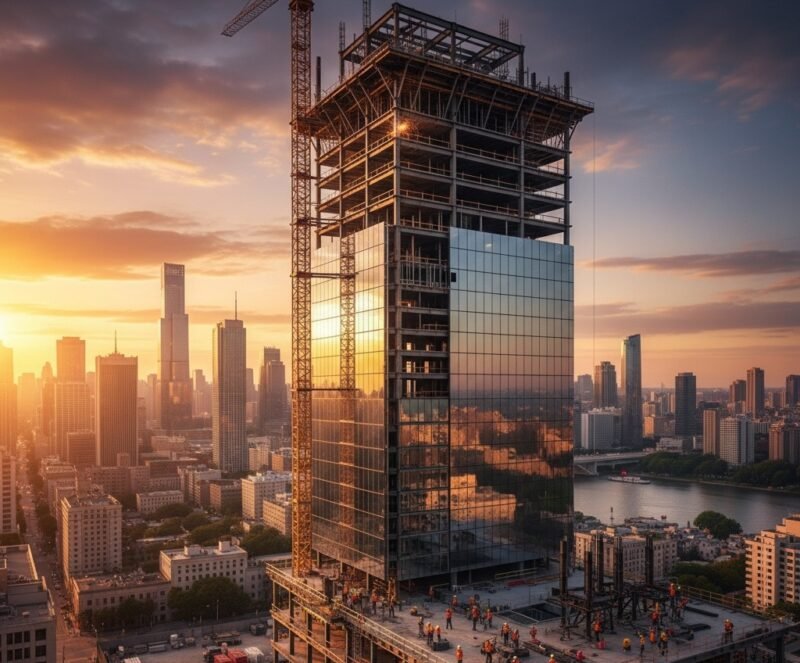
Every seasoned investor and property manager knows that the sticker price of a building is only a fraction of its true cost. When evaluating a new construction project, you have to look beyond the initial capital expenditure and consider the total cost of ownership. With material prices for lumber and concrete fluctuating wildly, the market has shifted its attention toward a more stable, predictable solution: pre-engineered steel.
The cost-effectiveness of metal buildings is quickly becoming the gold standard for commercial and industrial projects. Whether you are expanding a warehouse fleet or investing in agricultural infrastructure, steel structures offer a unique blend of affordability, durability, and speed. But where exactly do the savings come from? This guide breaks down the financials of choosing steel over traditional materials.
Winning on the Front End: Initial Construction Costs
One of the most immediate advantages of choosing steel is the reduction in upfront costs. While the raw price per square foot of steel can be comparable to other materials depending on market conditions, the savings materialize in labor and time.
Faster Speed to Market
Time is money. Traditional construction methods involving wood framing or brick-and-mortar are labor-intensive and weather-dependent. Metal buildings are typically pre-engineered and pre-cut at the factory. When the components arrive at your job site, they are ready to be bolted together.
This assembly-line approach can cut construction time by as much as 30% to 50%. For a business owner, this means you can occupy the building sooner and start generating revenue months ahead of schedule.
Reduced Labor Expenses
Because the components are pre-fabricated, the on-site assembly requires fewer specialized laborers compared to the army of carpenters, masons, and framers needed for traditional builds. A smaller crew can erect a large steel structure in a fraction of the time, significantly lowering your payroll overhead for the project.
Material Efficiency
Wood construction often involves significant on-site waste—cuttings and scraps that you pay for but throw away. Steel components are manufactured to precise specifications, meaning there is virtually no waste on the job site. This efficiency contributes directly to the overall cost-effectiveness of metal buildings.
Capturing the Metal Building ROI Through Long-Term Savings
Smart money looks at the long game. Once the building is standing, steel continues to outperform wood and concrete in operational costs. This is where the metal building ROI truly shines.
Insurance Premiums
Insurance carriers base their premiums on risk. Steel is non-combustible. It does not ignite or add fuel to a fire, unlike wood framing. Furthermore, steel structures are engineered to withstand extreme weather events, including heavy snow loads, high winds, and seismic activity. Because the risk of total loss is lower, insurance companies often offer significant discounts for steel commercial buildings—sometimes up to 30% less than premiums for wood-framed structures.
Durability Against Elements
Organic building materials decay. Wood rots, warps, cracks, and attracts pests. Termites alone cause billions of dollars in damage annually, a cost that steel building owners never have to worry about. Steel is impervious to mold, fungi, and rodents, ensuring the structural integrity remains intact for decades without expensive chemical treatments or structural replacements.
Energy Efficient Construction and Utility Savings
A common misconception is that metal buildings are difficult to regulate thermally. However, modern insulation systems have turned steel structures into leaders in energy efficient construction.
High-Performance Insulation
Unlike the standard fiberglass batts used in wood framing, metal buildings often utilize deep wall systems that allow for thicker, continuous insulation. This creates a tight building envelope that prevents air leakage, keeping heating and cooling costs low.
Cool Roofing Technology
Metal roofs can be coated with reflective pigments that bounce solar energy back into the atmosphere rather than absorbing it into the building. In hot climates, a “cool metal roof” can reduce surface temperatures by up to 50°F compared to traditional asphalt shingles. This significantly reduces the load on your HVAC system, leading to monthly utility savings that compound over the life of the building.
Analyzing the Maintenance Cost of Metal vs Wood
Maintenance is the silent budget killer for commercial properties. When analyzing the maintenance cost of metal vs wood, the difference is stark.
Wood structures require a strict regimen of repainting, sealing, and caulking to prevent moisture intrusion and rot. Shingled roofs may need replacing every 15 to 20 years.
In contrast, high-quality steel buildings require minimal upkeep:
- Exterior: Most steel panels come with factory-applied coatings that are warranted against fading, chalking, or peeling for decades. A simple annual wash is often all that is needed.
- Roofing: Standing seam metal roofs can last 40 to 60 years—more than double the lifespan of a standard asphalt roof.
- Structure: There is no need to worry about tightening warped boards or replacing rotted sills.
This “set it and forget it” aspect of steel significantly reduces operational overhead, freeing up cash flow for other business investments.
Real-World Case Studies: Efficiency in Action
To understand the practical application, consider these common scenarios where steel dominates:
The Commercial Warehouse
A logistics company needs 50,000 square feet of clear-span storage. Using steel, they can achieve wide open spaces without internal support columns interfering with forklift operations. The speed of construction allows them to open in time for the holiday rush, and the durability of the steel walls prevents damage from daily industrial wear and tear.
The Agricultural Facility
A farm requires a new equipment shelter. A wood pole barn is an option, but the damp environment makes rot a certainty within a decade. By investing in a steel structure, the farmer ensures the building lasts generations with virtually no maintenance, protecting expensive machinery from the elements securely.
Potential Challenges and Considerations
While the benefits are clear, ensuring the cost-effectiveness of metal buildings requires proper planning. There are a few considerations to keep in mind:
- HOA and Zoning: Some municipalities have strict aesthetic codes. You may need to invest in facades (brick, stone, or stucco veneers) to meet local requirements, which can add to the cost.
- Site Preparation: Steel buildings require a perfectly level foundation. If your land requires extensive grading or complex soil stabilization, your site prep costs could be higher than anticipated.
- Customization Complexity: While standard steel buildings are incredibly cheap, highly complex architectural designs with unusual angles can increase engineering costs. Sticking to standard shapes yields the highest savings.
Investing in the Future
The construction landscape has changed. For commercial investors and business owners focused on the bottom line, the argument for traditional materials is becoming harder to make. The long-term savings of steel buildings—driven by lower insurance, energy efficiency, and minimal maintenance—create a compelling financial case.
When you factor in the speed of construction and the immediate asset appreciation, pre-engineered steel offers a return on investment that is difficult to beat. If you are planning a new project, looking past the initial quote and calculating the lifetime value of the structure will lead you to one conclusion: steel is the smart buy.
Are you ready to maximize your construction budget? Contact our team today for a consultation and see how a custom metal building solution can fit your financial goals.
Frequently Asked Questions (FAQ)
1. Is a metal building cheaper than a wood building?
Generally, yes. While the raw material costs can fluctuate, metal buildings usually offer a lower cost per square foot for large commercial and industrial projects due to reduced labor costs and faster construction times. For smaller, residential-sized structures, wood can sometimes be cheaper upfront, but steel remains cheaper in the long run due to maintenance savings.
2. How long does a pre-engineered metal building last?
Metal buildings are incredibly durable. With minimal maintenance, the structural steel frame can last well over 50 to 100 years. High-quality metal roofs specifically can last 40 to 60 years, significantly outlasting asphalt roofing options.
3. Are metal buildings difficult to insulate?
No. While metal conducts heat, modern insulation systems (such as rigid board or high-R-value fiberglass rolls) effectively break the thermal bridge. This makes metal buildings highly energy-efficient and capable of maintaining comfortable interior temperatures in both hot and cold climates.
4. Do metal buildings really lower insurance rates?
Yes, in most cases. Because steel is fire-resistant and stands up better to severe weather events like hail and high winds, insurance companies view these structures as lower risk. This often results in lower annual premiums compared to wood-framed structures.
Must Read: The Future of Metal Garage Construction: Why Steel is Superior