


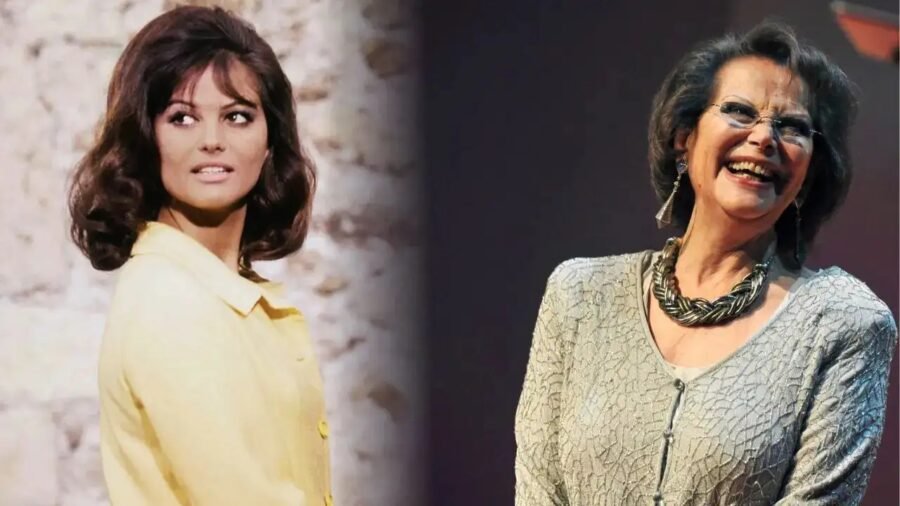
Italian cinema has lost one of its brightest stars. Claudia Cardinale — known for her elegance, strength, and versatility — has died at the age of 87. Her passing marks the end of an era in European and world cinema.
Early Life and Entry into Film
Claudia Cardinale was born into a Sicilian family but raised in Tunisia. She grew up speaking French, which later influenced her career when her voice was dubbed in her early Italian roles.
Her entry into cinema was almost accidental. In 1957, she won a beauty contest in Tunis that led to an invitation to the Venice Film Festival. That single opportunity placed her on the path to stardom.
Rise to Stardom: Fellini, Visconti and Leone
The 1960s defined Cardinale’s career. In 1963, she starred in Federico Fellini’s 8½, a landmark of world cinema. The same year, she played a central role in Luchino Visconti’s The Leopard, alongside Burt Lancaster.
Her career crossed borders and genres. From Blake Edwards’ The Pink Panther to Sergio Leone’s masterpiece Once Upon a Time in the West (1968), Cardinale proved her adaptability. Her signature husky voice, rebellious personality, and commanding screen presence made her unforgettable.
She often defied expectations. Famously, she appeared before Pope Paul VI wearing a miniskirt, challenging traditional norms of her era.
Challenges and Resilience
Cardinale’s journey was not without obstacles:
A hidden pregnancy: In 1958, she gave birth to her son Patrick in London but introduced him publicly as her brother to avoid scandal.
Industry setbacks: After her split from producer Franco Cristaldi, she was ostracized by parts of the Italian film industry.
Financial struggles: At one point, she discovered she had little money left despite years of success.
Yet, she never stopped working. Cardinale took roles in television and theater, including Franco Zeffirelli’s Jesus of Nazareth. She continued performing across Europe in multiple languages, proving her resilience and commitment to her craft.
In 2002, she was honored with a lifetime achievement award at the Berlin Film Festival. Even in her later years, she acted in projects such as the 2020 Swiss TV series Bulle.
Legacy and Influence
Claudia Cardinale’s influence on cinema is vast:
A European icon: She bridged Italian, French, and Hollywood cinema, making her a truly international star.
Empowered roles: Cardinale’s characters often reflected depth and strength, breaking away from stereotypes.
Independent spirit: Off-screen, she embodied courage and integrity, standing up for her personal choices.
Longevity: Her active career across decades showcased her adaptability and enduring appeal.
Generations of actors and directors have admired her artistry, not only for her beauty but also for her fearless personality.
Timeline of Major Moments
| Year | Milestone |
|---|---|
| 1957 | Wins beauty pageant in Tunis, attends Venice Film Festival |
| 1958 | Gives birth to son Patrick in London |
| 1963 | Stars in 8½ and The Leopard |
| 1968 | Appears in Once Upon a Time in the West |
| 1970s | Faces setbacks after separation from Cristaldi |
| 1977 | Plays a role in Jesus of Nazareth miniseries |
| 2002 | Awarded Lifetime Achievement Award at Berlin Film Festival |
| 2020 | Appears in Swiss TV series Bulle |
| 2025 | Passes away at the age of 87 |
FAQs / Quick Facts
Q. When and where was Claudia Cardinale born?
A. She was born to a Sicilian family and raised in Tunisia.
Q. Why was her voice dubbed early in her career?
A. Because she grew up speaking French and had a Sicilian accent, her early roles were often dubbed in Italian.
Q. Did she have children?
A. Yes, she had a son, Patrick, born in 1958, and later a daughter, Claudia, with director Pasquale Squitieri.
Q. What made her stand out as an actress?
A. Her husky voice, striking presence, and determination to play strong, complex women.
Q. Did she continue acting late in life?
A. Yes, her career stretched well into her 70s and beyond, with roles as late as 2020.
Final Thoughts
Claudia Cardinale was more than a star — she was a trailblazer who embodied strength, resilience, and elegance. From Tunis to Rome, from Fellini to Leone, her journey reflected both artistic triumphs and personal courage.
Her legacy will live on in her unforgettable films and the countless lives she inspired. The world remembers Claudia Cardinale not only as a screen goddess but as a woman who lived with authenticity and power.