
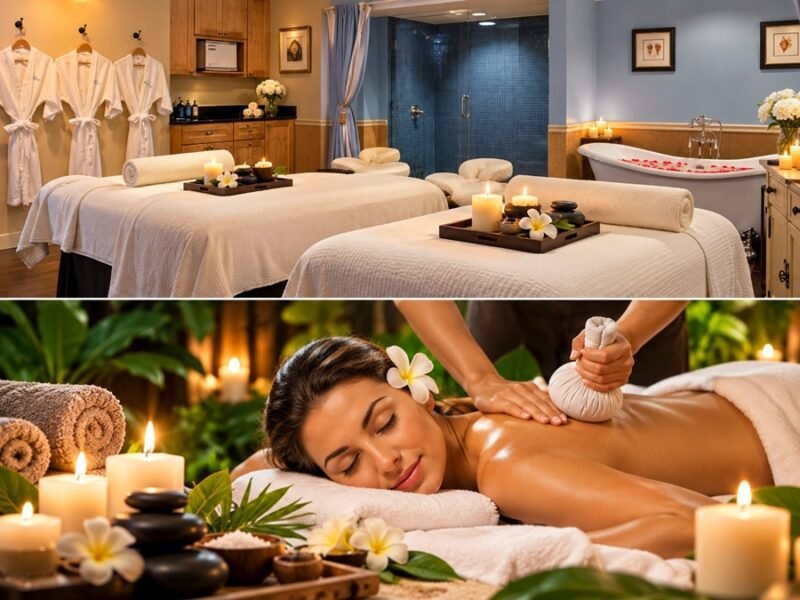


A massage spa is a business that offers massage and related relaxation or body-care treatments in a calm, private setting. Some focus mostly on massage. Others sell full spa days with facials, body treatments and quiet lounges. This guide explains the differences, walks you through a first visit, and shows you how to choose a place you can trust.
Quick Answer
A massage spa is a licensed business where trained therapists provide massage and often add treatments like facials, scrubs or aromatherapy. A day spa offers a wider menu across several hours. Choose based on your goal: pain relief, relaxation, or a full wellness break. Always confirm licensing and pricing before you book.
What Is a Massage Spa?
Quick definition: A massage spa is a business where licensed therapists provide massage and complementary treatments in a relaxing environment.
If you have ever wondered what a spa is, the word covers a lot of ground. In everyday US usage, a spa can be a small studio with two treatment rooms or a large resort with pools, saunas and a full service menu. A massage spa sits toward the focused end. Massage is the main product, and extras like aromatherapy, hot towels or a short facial are add-ons.
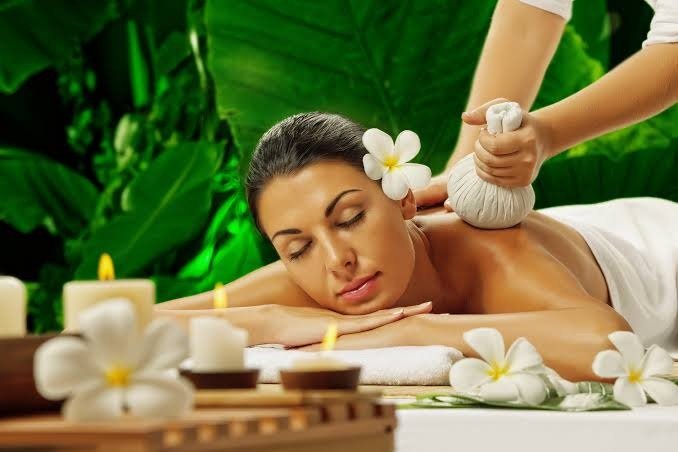
This is different from a clinic that provides therapeutic massage as part of injury recovery, though the two can overlap. A clinic usually centers on treatment of a specific problem. A massage spa usually centers on comfort and relaxation, even when the techniques are the same.
Massage Spa vs Day Spa vs Wellness Spa
Quick answer: A massage spa focuses on massage. A day spa offers a broader set of treatments you can combine into one visit. A wellness spa adds health-oriented services, such as stress programs or fitness and nutrition support.
The terms are not legally standardized, so the same word can mean different things at different businesses. Read the service menu, not just the name.
| Type | Main focus | Typical services | Best for |
|---|---|---|---|
| Massage spa | Massage | Swedish, deep tissue, hot stone, short add-ons | A single focused session |
| Day spa | Variety | Massage, facials, body scrubs, nail services | A spa day or celebration |
| Wellness spa | Whole-body health | Massage plus relaxation programs, sometimes fitness or nutrition services | Ongoing stress management |
| Medical spa | Cosmetic and clinical | Procedures supervised by medical staff | Skin or cosmetic goals, not general relaxation |
Massage spa
Expect a menu built around massage types and session lengths, usually 30, 60 or 90 minutes. Pricing is typically per session, with optional upgrades.
Day spa and massage packages
A day spa and massage package bundles treatments, such as a massage plus a facial, at a combined price. Packages can be good value if you actually want every part. They are poor value if you pick one because it sounds impressive.
Wellness spa and medical spa
A wellness spa leans toward long-term wellbeing. A medical spa offers cosmetic or clinical procedures and is a different category. If you only want a relaxing massage, a medical spa is usually not the right fit.
Popular Spa Treatments and Massage Types
Most spas organize their menu into massage styles and skin or body treatments. Here are the ones you will see most often.
Swedish and relaxation massage
Swedish massage uses long, flowing strokes and light to medium pressure. It is the usual starting point for first-time visitors and for anyone who wants to unwind rather than work on a specific knot.
Deep tissue massage
Deep tissue uses slower strokes and firmer pressure to work on tight areas. It suits people with persistent muscle tension, though it should not feel sharp or unbearable. If you are curious, read our breakdown of the benefits of deep tissue massage.
Hot stone, aromatherapy, prenatal and sports massage
- Hot stone: Warm stones are placed on or used during the massage to help muscles relax.
- Aromatherapy: Essential oils are added for scent. Tell your therapist about any allergies or sensitivities.
- Prenatal: Adapted positioning and technique for pregnancy. Choose a therapist trained for it.
- Sports: Focused on specific muscle groups and recovery for active people.
Facials, body scrubs and wraps
A spa treatment is not always a massage. Facials, exfoliating scrubs and body wraps focus on skin. If you are weighing salon-style services too, our beauty salon guide explains how those services compare.
What to Expect During Your First Spa Experience
Quick answer: You check in, fill out a short health form, talk with your therapist about goals and pressure, undress to your comfort level under a drape, receive the treatment, and get a few minutes to rest afterward.
Most first-timers worry about the same things: privacy, awkwardness and doing something wrong. Here is how a typical visit goes.
- Book and share relevant details. Mention injuries, pregnancy, allergies and any areas you want avoided.
- Arrive early. Fifteen minutes is a common recommendation, and some spas ask for it so you can use the changing area and complete paperwork.
- Complete the intake form. It usually asks about health conditions, medications and sensitivities.
- Talk with your therapist. Describe what you want, such as relief for tight shoulders or simple relaxation, and the pressure you prefer.
- Undress to your comfort level. In a standard massage, you are covered by a sheet or towel at all times, and only the area being worked on is uncovered. Many people keep underwear on. Choose what feels comfortable.
- Speak up during the session. Pressure too light, too firm, room too cold? Say so. Therapists expect it.
- Rest and rehydrate afterward. Take a minute before standing up, and drink water.
- Pay and tip. Check the spa’s policy. Many US spas have a standard tipping custom, and some include a service charge, so look at your receipt first.
If at any point you feel uncomfortable, you can end the session. A professional spa will respect that.
How to Plan a Spa Day
Quick answer: Start with your goal, then pick two or three treatments that support it. More services do not make a better spa day.
A spa day works best when it has a clear purpose.
- For relaxation: A Swedish massage followed by time in a quiet lounge, if available.
- For muscle tension: A deep tissue or sports massage, then rest. Skip heavy add-ons.
- For a celebration: A couples or group package, booked well ahead.
- For skin care: A facial paired with a shorter massage.
Leave breathing room. Back-to-back appointments with no downtime defeat the point. Also ask whether facilities such as steam rooms or lounges are included in the price or charged separately.
What Affects the Cost of a Massage Spa
Quick answer: Price depends mostly on your city, the length of the session, the therapist’s experience and the add-ons you choose. Compare the total, including service fees and tip, not just the menu price.
Rather than quoting a single national number, which would be misleading, here are the factors that move the price.
| Factor | How it affects cost |
|---|---|
| Location | Big-city and resort spas generally cost more than smaller-market spas |
| Session length | 30, 60 and 90 minutes are priced in steps |
| Treatment type | Specialty massages and combined packages usually cost more |
| Add-ons | Aromatherapy, hot stones and extras are often charged separately |
| Membership or package | Can lower the per-session price if you will actually use it |
| Fees and tip | Service charges and gratuity can change your total |
Before booking, ask for the full price, including taxes, service charges and any facility fee. Memberships can be worth it for regular visitors, but read the cancellation and rollover terms first.
How to Choose a Reputable Spa Near You
Quick answer: Check that therapists are licensed where required, look for clear pricing and cleanliness, read recent reviews with a critical eye, and trust your instincts about professionalism.
Searching for a spa nearby or spa places around you will return plenty of results, including paid listings. Use the steps below to separate good options from poor ones.
A quick checklist
- Licensing: Most US states regulate massage therapy, and rules vary by state. Ask whether your therapist is licensed, or check your state’s licensing board.
- Clear service menu: Treatments, durations and prices should be easy to find.
- Professional intake: A legitimate spa asks about your health and preferences.
- Hygiene: Clean linens, tidy rooms and visible cleaning practices.
- Consistent reviews: Look for patterns across several recent reviews, not a single glowing or angry one.
- Transparent policies: Cancellation, late arrival and tipping policies should be stated.
Red flags
- No clear service menu or prices
- Pressure to buy large packages upfront
- Vague or suggestive advertising
- Refusal to say whether therapists are licensed
- Any behavior that disrespects your boundaries
If something feels wrong, leave. You do not owe a business your time or your money.
To see how a local business can present itself, you can look at a real example such as Addison Massage and Spa.
Who Should Be Careful or Talk to a Doctor First
This is general information, not medical advice. Some people should check with a healthcare provider before a massage or other spa treatment, including those who are:
- Pregnant
- Recovering from surgery or an injury
- Dealing with a blood clotting condition or circulation problem
- Living with skin conditions, open wounds or infections
- Taking medications that affect bleeding, bruising or sensitivity
Always tell your therapist about relevant health information. A good therapist will adjust the treatment or decline a technique if it is not appropriate.
Expert Tips and Common Mistakes
Tips for a better visit
- Describe your goal in one sentence when you book, such as “tight shoulders from desk work.”
- Ask what is included before you pay.
- Give feedback on pressure early, not at the end.
- Avoid a heavy meal right before your session.
- Plan nothing demanding afterward.
Common mistakes
- Choosing a spa only because it is the nearest or cheapest
- Booking a package you do not really want
- Staying silent about discomfort
- Skipping the health form or leaving out details
- Assuming “spa” always means the same type of business
Benefits of Regular Massage and Spa Visits
Many people use massage for relaxation and to ease muscle tension. Reputable health organizations describe massage as one option people use for stress and discomfort, and research on specific conditions varies in strength. Treat any single benefit claim with caution, and rely on trusted medical sources such as the NIH’s National Center for Complementary and Integrative Health or the Mayo Clinic for details.
What you can say with confidence is practical:
- A scheduled, quiet hour can be a useful break from a busy routine.
- A consistent therapist learns your preferences and problem areas.
- Spa visits can be a low-pressure way to try different treatments and see what you like.
If you enjoy massage at home between visits, our guide to the best leg massage chairs covers one option, though it is not a substitute for a trained therapist.
FAQ Section
Frequently Asked Questions
What is a spa?
A spa is a business or facility that offers treatments such as massage, facials and body care, usually in a calm setting. Services and size vary widely, from a small studio to a large resort. Always read the service menu to see what a specific spa actually provides.
What is the difference between a massage spa and a day spa?
A massage spa centers on massage sessions. A day spa offers a broader menu, often including facials, body treatments and package deals you can combine over several hours. If you only want massage, a massage spa is usually simpler. If you want a full break, a day spa fits better.
Do you take your clothes off during a spa massage?
You undress only to your comfort level. In a standard massage you are covered with a sheet or towel, and the therapist uncovers only the area being worked on. Many people keep underwear on. Tell your therapist what you prefer, and you can ask about draping before the session starts.
How much should you tip at a massage spa?
Tipping customs vary, and many US spas follow a percentage-based norm similar to other personal services. Check whether a service charge is already included on your receipt. If you are unsure, ask the front desk before your visit. Verify current norms with a reliable source such as a professional association.
How long should a spa massage last?
Most spas offer 30, 60 and 90 minute sessions. A 60 minute session is a common choice for a full-body massage. Shorter sessions suit targeted areas like the neck and shoulders. Longer ones give more time for deeper work or combined treatments.
How often should you get a massage?
There is no single right answer. It depends on your goals, budget and any health conditions. Some people go occasionally for relaxation, while others schedule regular sessions for ongoing tension. Ask your therapist or doctor for advice that fits your situation.
How do I know a spa is legitimate?
Look for clear pricing, a professional intake process, clean facilities and licensed therapists where your state requires it. Check your state’s licensing board if you are unsure. Be cautious of vague advertising, pressure to prepay for large packages, or any behavior that crosses your boundaries.
What should I eat or avoid before a massage?
Avoid a large meal right before your session, since lying down on a full stomach is uncomfortable. Drink water, and arrive relaxed. Tell your therapist about any health conditions, injuries or allergies, especially if aromatherapy oils will be used.
Conclusion
A massage spa is simple once you know what you are choosing between. Decide whether you want focused massage, a broader day spa experience, or a wellness-oriented program. Check licensing and pricing, speak up during your session, and keep your first visit simple. A good spa experience comes from matching the service to your goal and picking a place that treats you professionally.
Key Takeaways
- A massage spa focuses on massage. A day spa offers a wider menu. A wellness spa adds health-oriented services.
- Read the service menu, since “spa” is not a standardized term.
- You control your comfort level, including draping, pressure and when to stop.
- Cost depends on location, session length, therapist and add-ons. Ask for the full total.
- Check licensing, hygiene and clear policies before you book.
- Talk to a doctor first if you are pregnant, recovering from surgery or injury, or have a medical condition.