


Let’s be honest: Most companies treat their workforce like a giant, messy Excel sheet. You know you have talented people, but you’re not quite sure if they’re in the right seats, or if they’re even working on the right things.
In the high-stakes Indian corporate landscape—where the “war for talent” is less of a metaphor and more of a daily reality in hubs like Bengaluru and Gurgaon—simply having talent isn’t enough. You have to optimize it.
If you feel like your business strategy is moving at 100km/h while your team’s output is stuck in a Mumbai traffic jam, you don’t have a “people problem.” You have an alignment problem. That’s where talent optimization software comes in.
Quick Takeaways: The “Too Long; Didn’t Read” Version
- What it is: A platform that uses data to align your people strategy with your business goals.
- Why it matters: It reduces turnover, identifies hidden skills, and ensures project success by matching the right person to the right task.
- The ROI: Companies using optimization tools see a massive jump in billable hours and employee engagement.
- Pro Tip: Look for AI-driven platforms like ProFinda that offer deep “Skills Intelligence.”
What Exactly is Talent Optimization Software?
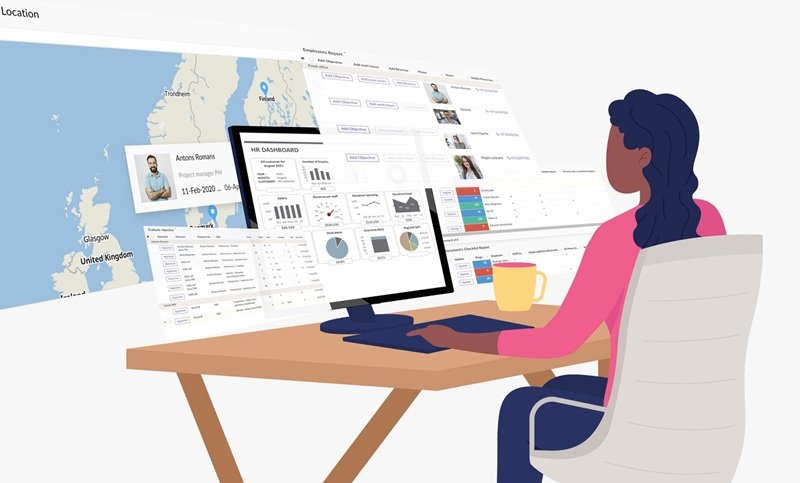
We’re not talking about your grandfather’s HRIS or a basic payroll tool. Talent optimization software is the “brain” of your organization. It’s a category of technology designed to collect, analyze, and apply people data to ensure your human capital is actually driving your business strategy forward.
Think of it as a GPS for your workforce. Instead of guessing who should lead the next big digital transformation project, the software looks at objective data—skills, past performance, availability, and even behavioral traits—to give you the perfect match.
The 4 Pillars of a High-Performing Team
To truly win, you need to look at the four phases of the talent lifecycle. Most software in this space focuses on one or more of these:
- Design: How do you structure your teams? Are you building a “Dream Team” or just a group of individuals?
- Hire: Using data to find the “culture add” and “skill fit,” not just the best-looking resume.
- Inspire: Keeping employees engaged by giving them work that actually challenges them.
- Diagnose: Spotting burnout or disengagement before the resignation letter hits your desk.
Talent Optimization vs. Traditional Talent Management
| Feature | Traditional Management | Talent Optimization Software |
|---|---|---|
| Focus | Compliance & Admin | Performance & Strategy |
| Data Source | Annual Reviews (Lagging) | Real-time Skills Intelligence (Leading) |
| Matching | Manager’s “Gut Feeling” | AI-Powered Predictive Matching |
| Visibility | Siloed by Department | Enterprise-wide Skill Transparency |
| Outcome | Retention | ROI & Growth |
Why Indian Enterprises are Making the Switch
In India, the shift to hybrid work and the rise of the “Gig Economy” have made workforce management incredibly complex. Whether you’re a Big 4 consulting firm or a scaling tech startup, the challenges are identical:
1. Eliminating the “Bench” Problem
In many service-based industries, having talent on “the bench” (unbilled time) is a massive profit killer. Talent optimization software allows for “Reverse Matching.” If an employee is underutilized, the system automatically surfaces internal projects or learning opportunities that match their skills. This turns “dead time” into “growth time.”
2. Solving the Skill Gap Crisis
Did you know that half your employees might have skills you don’t even know about? Maybe your Lead Developer is also a secret whiz at UI design. Without a centralized “Skills Ontology,” those talents stay hidden. Software like ProFinda creates a dynamic, AI-powered view of your entire workforce’s capabilities.
3. Preventing the “Quiet Quitting” Epidemic
People don’t leave jobs; they leave roles where they feel stuck. By using optimization data, you can offer your team “stretch assignments” and career progression paths that are tailored to their specific strengths. This doesn’t just improve retention—it builds loyalty.
Key Features to Look For in 2025
If you’re shopping for a solution, don’t just buy the prettiest UI. Look for these “Must-Haves”:
- AI Skills Intelligence: The software should “understand” skills semantically. If someone knows “Python,” it should know they are likely capable of “Data Analysis” even if it’s not explicitly on their profile.
- Enterprise Scale: Can it handle 10,000+ users without slowing down? If you’re a global firm, this is non-negotiable.
- Seamless Integration: It needs to talk to your existing CRM (like Salesforce) and ERP (like SAP).
- Burnout Nudges: AI that flags when a high-performer is being over-utilized.
Frequently Asked Questions (FAQ)
Q: Is talent optimization software only for large MNCs?
Absolutely not. While large firms get huge ROI from scale, SMEs (Small and Medium Enterprises) benefit from the “Hire Right First” aspect. One bad hire in a 20-person company is way more damaging than in a 2,000-person one.
Q: How is this different from an ATS (Applicant Tracking System)?
An ATS is about getting people into the building. Talent optimization is about what happens after they walk through the door. It’s the difference between a dating app and a marriage counselor.
Q: Can this software really predict project success?
Yes. By analyzing the historical performance of similar teams and matching the exact skill requirements needed for a specific deliverable, the software significantly increases the probability of hitting your KPIs on time and under budget.
Q: How long does it take to see results?
Most organizations see an increase in utilization and employee engagement within the first 6 to 12 months of implementation. Some ProFinda clients have reported reducing resourcing time from weeks to just minutes.
The Bottom Line: Your People are Your Strategy
Your business strategy is just a piece of paper until your people bring it to life. If you’re still using manual processes to manage your most expensive and valuable asset, you’re leaving money on the table—and likely losing your best talent to competitors who use data.