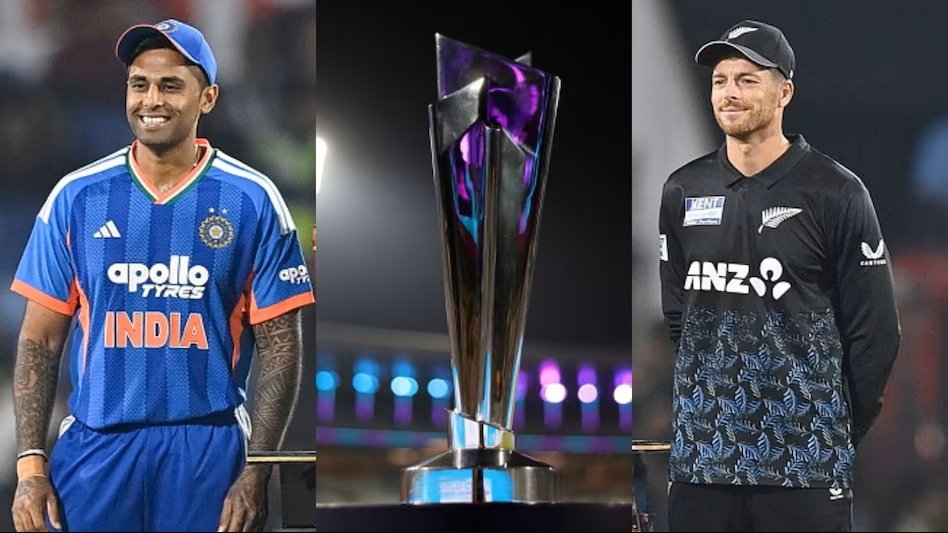


A World Cup Final at the Narendra Modi Stadium carries a weight that few sporting occasions can match. Over 130,000 fans packed into Ahmedabad, the roar of the crowd tangible before the first ball was even bowled. When New Zealand won the toss and elected to field, the pressure fell squarely on India’s batters to set a total that would make history.
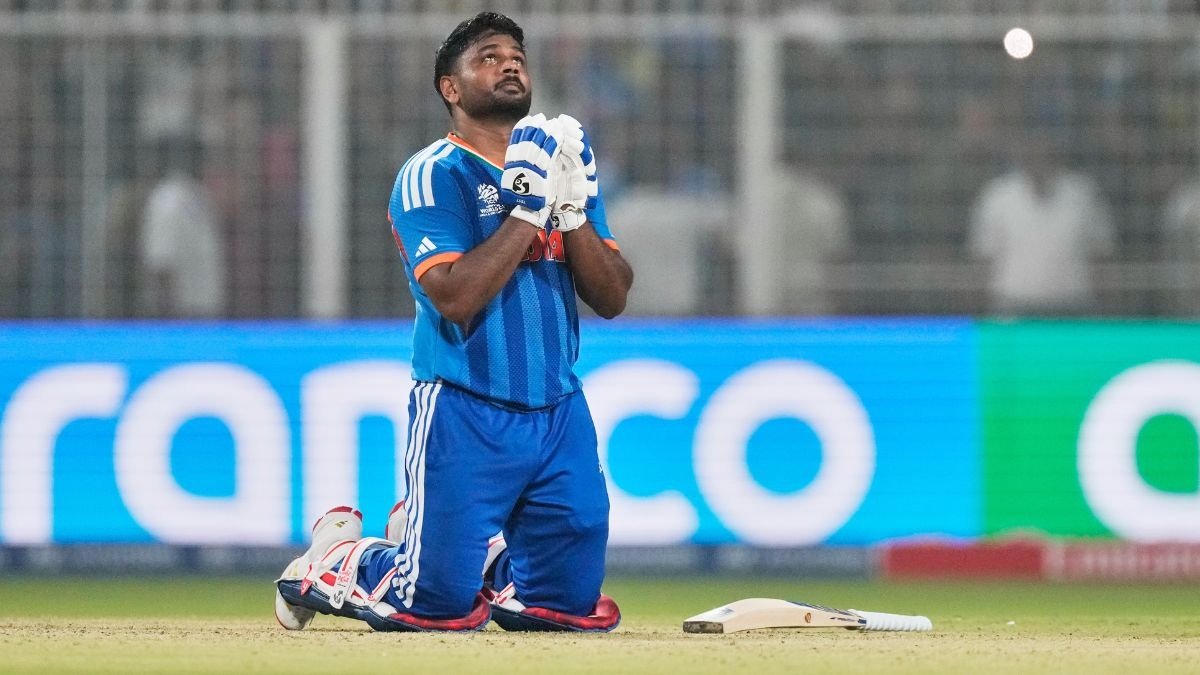
What followed was one of the most commanding batting performances in T20 World Cup Final history. Sanju Samson’s 89-run knock wasn’t simply a great innings—it was the backbone of a total that left New Zealand chasing shadows. His 46-ball assault, built on precision, power, and an unflinching temperament, anchored India to an imposing 255/5 and answered every question critics had ever dared to ask about him.
The Explosive Start: India Set Their Intent Early
India’s batting lineup wasted no time signaling its intentions. Abhishek Sharma blazed his way to 52 off just 21 balls, capitalizing on the powerplay with a series of audacious strokes through the off side. Ishan Kishan matched that energy with 54 off 25 balls, attacking the short ball relentlessly and keeping the New Zealand seamers under pressure from the opening over.
The platform was extraordinary. But opening partnerships, however brilliant, can fade quickly in T20 cricket when the middle overs arrive and the bowlers adjust. That’s precisely where Samson stepped in—and refused to let the momentum die.
As wickets fell around him, Samson took on the mantle of pace-setter. India’s run rate never dipped below 12 runs per over throughout his innings, a remarkable achievement against a Kiwi bowling unit that had been among the most disciplined in the tournament.
Inside the Innings: Power, Placement, and Pure Class
The numbers tell the story clearly. Sanju Samson scored 89 runs off 46 balls at a strike rate of 193.48—figures that would be eye-catching in any T20 match, let alone a World Cup Final.
His boundary count was staggering: 5 fours and 8 sixes. That’s 13 boundaries contributing 50 of his 89 runs, with the remaining 39 accumulated through sharp running and intelligent placement between the fielders. This wasn’t slogging—it was structured aggression.

Dismantling New Zealand’s Key Threats
New Zealand brought two of their best bowlers to the final. Mitchell Santner, one of the most economical left-arm spinners in the game, was neutralized through Samson’s use of the crease and his ability to read the angle of delivery early. Rather than dancing down the pitch recklessly, Samson stayed measured, waiting for the ball to come to him before launching it over the leg side or driving it back over the bowler’s head.
Matt Henry, who had been New Zealand’s standout seamer throughout the tournament, found Samson equally difficult to contain. Henry’s strength lies in his ability to generate sharp movement off the pitch, but Samson attacked the short ball with confidence and consistently found the boundary when given width.
Against this caliber of bowling, in a final, with the game on the line—this is when great innings are defined.
The Turning Point: Dube’s Cameo and Samson’s Dismissal
One of the underappreciated aspects of Samson’s innings was how it enabled those batting around him. With the scoreboard reading well past 200 and only a few overs remaining, Shivam Dube was able to come in and play with complete freedom. Dube’s unbeaten 26 off just 8 balls in the death overs—full of clean, hard hitting—was made possible because the pressure had already been absorbed and converted by Samson.
Samson’s dismissal came in the 18th over, caught off James Neesham while going for a maximum. He fell nine runs short of what would have been a century in a World Cup Final—a detail that will sting him personally. But by the time he walked off that field, the damage had well and truly been done. India were cruising toward an unassailable total, and Samson had delivered exactly when it mattered most.
The Target: 255 and the Psychological Dimension
India finished on 255/5. On any ground, against any opposition, that is a formidable total. At the Narendra Modi Stadium, with a crowd that was vocally behind every Indian delivery, it became something more.
Chasing 256 in a T20 World Cup Final means New Zealand needed to score at over 12.7 runs per over from ball one. There was no room for a cautious start, no time to settle, no margin for a mid-innings slump. Every over without a boundary added to the mounting pressure; every wicket felt catastrophic.
This is the psychological reality of being chased into a corner by a score like 255. New Zealand’s batters would have known, even before facing a delivery, that the chase demanded near perfection. Samson’s innings didn’t just build a total—it installed a pressure cooker that India’s bowlers could then exploit.
Frequently Asked Questions
How many runs did Sanju Samson score in the T20 World Cup 2026 Final?
Sanju Samson scored 89 runs off 46 balls, hitting 5 fours and 8 sixes at a strike rate of 193.48 in the IND vs NZ T20 World Cup Final 2026.
What was India’s total in the T20 World Cup 2026 Final?
India posted 255/5 in their 20 overs, setting New Zealand a target of 256 runs.
Who dismissed Sanju Samson in the T20 World Cup Final?
Sanju Samson was dismissed by New Zealand allrounder James Neesham in the 18th over, nine runs short of a century.
What was India’s opening partnership in the 2026 T20 World Cup Final?
Abhishek Sharma (52 off 21) and Ishan Kishan (54 off 25) provided India with an explosive platform at the top of the order before Sanju Samson took control of the innings.
A Defining Moment for Sanju Samson and Indian Cricket
For years, the conversation around Sanju Samson has circled back to one word: inconsistency. Flashes of brilliance followed by stretches of quiet—a narrative that seemed to follow him from state cricket to the IPL to the national setup.
This innings changes that conversation. Not because one knock erases a career’s worth of debate, but because the timing, the stage, and the magnitude of this performance demand a different kind of acknowledgment. Scoring 89 off 46 in a T20 World Cup Final, against a quality bowling attack, while anchoring your team to 255—that is the mark of a player who rose to the biggest occasion in the game.
For Indian cricket, 2026 now has a defining image: Sanju Samson, arms raised, the crowd on its feet in Ahmedabad, having just delivered the innings of his life when it mattered most.