



Imagine starting life with the odds stacked against you before you even take your first breath.
For millions of babies around the world, that’s exactly what happens.
The first 28 days of life—known as the neonatal period—are the most fragile, unpredictable, and life-defining days a child will ever face. For families, it’s meant to be a time of wonder and love. But for far too many, it becomes a period marked by fear, uncertainty, and heartbreaking loss.
Despite advances in medicine and global healthcare, neonatal mortality remains one of the most stubborn and painful challenges of our time. And behind every statistic is a real child who never got the chance to grow up.
The truth is hard to ignore—but it’s not hopeless. With the right care, awareness, and the support of organizations like CRY America, millions of newborn lives can be saved.
What Is the Neonatal Mortality Rate—and Why It Matters
The neonatal mortality rate refers to the number of babies who die within the first 28 days of life for every 1,000 live births in a year.
On paper, it looks like just another public health metric. In reality, it tells a much bigger story.
A high neonatal mortality rate often signals deeper issues—limited access to healthcare, poor maternal nutrition, unsafe delivery conditions, and lack of awareness. When the rate drops, it usually means families are healthier, healthcare systems are working, and communities are better supported.
This single number quietly reflects how well a society protects its most vulnerable citizens.
The First 28 Days: Why They’re So Dangerous
A newborn is most at risk immediately after birth.
A baby is nearly 500 times more likely to die on their first day of life than at one month old.
Sub-Saharan Africa and South Asia account for the highest number of neonatal deaths.
Most causes are preventable with basic, low-cost care.
The UN Sustainable Development Goal aims to reduce neonatal mortality to 12 deaths per 1,000 live births by 2030.
These aren’t unreachable targets. We already know what works.
The Leading Causes of Neonatal Deaths
What makes neonatal mortality especially tragic is that the causes are well understood—and often avoidable.
1. Preterm Birth and Low Birth Weight
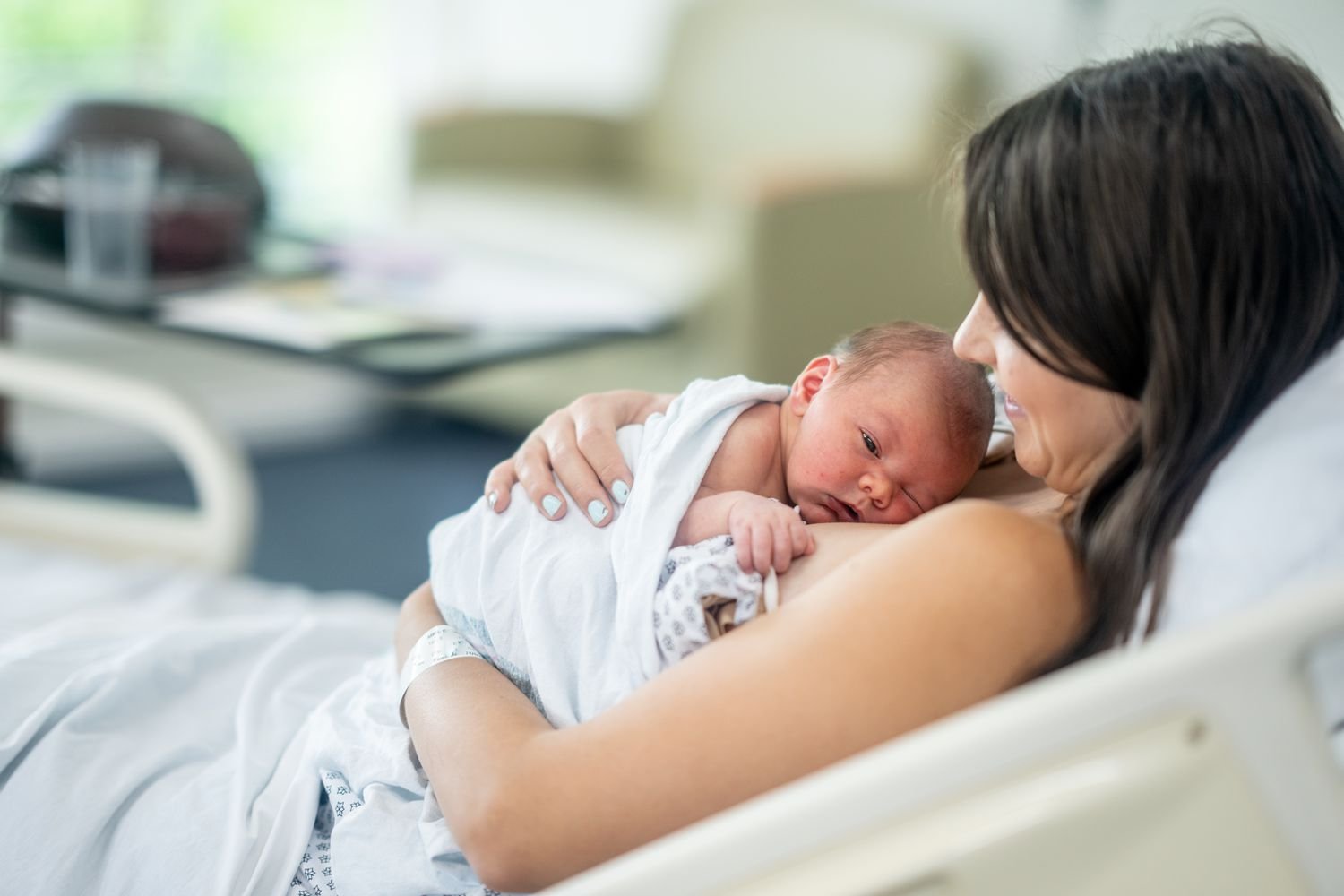
Babies born too early or too small struggle to breathe, regulate body temperature, and fight infections. In areas without incubators or trained care, even minor complications can become fatal. Simple practices like skin-to-skin contact—often called Kangaroo Mother Care—can save lives.
2. Infections
Sepsis, pneumonia, and neonatal tetanus remain major killers, especially where hygiene during delivery is poor. Something as basic as using clean instruments to cut the umbilical cord can dramatically reduce infection risk.
3. Birth Asphyxia
When a baby doesn’t breathe immediately after birth, every second counts. Skilled birth attendants trained in basic resuscitation can mean the difference between life, lifelong disability, or death.
What Actually Works: Proven, Life-Saving Interventions
The solution doesn’t always require advanced hospitals or expensive equipment. Often, it’s about consistency, education, and access.
The First 1,000 Days
From pregnancy to a child’s second birthday, nutrition and care are critical. Healthy mothers give birth to healthier babies. Iron supplements, vaccinations, proper diet, and prenatal checkups all play a role.
Safer Deliveries
When births happen in healthcare facilities instead of unsafe home settings, complications can be treated immediately—saving both mothers and newborns.
Essential Newborn Care
Small actions make a massive difference:
Keeping the baby warm
Clean umbilical cord care
Early breastfeeding, which provides powerful immunity through colostrum
How CRY America Is Changing the Story
Reducing neonatal mortality isn’t just about medicine—it’s about systems, awareness, and accountability. That’s where CRY America makes a real impact.
Their work focuses on strengthening public healthcare at the grassroots level, especially in underserved communities. By ensuring that government health services actually function as intended, they help create long-term, sustainable change.
Their efforts include:
Monitoring newborn growth to detect problems early
Educating families to replace harmful myths with life-saving knowledge
Supporting nutrition through initiatives like kitchen gardens for mothers
Instead of short-term fixes, they build foundations that keep saving lives year after year.
Are We Making Progress Globally?
Yes—but not fast enough.
Worldwide, neonatal mortality has dropped by more than 50% since 1990. That’s a major achievement. Yet progress has lagged compared to improvements seen in older children.
The reality remains deeply unequal. Where a baby is born still plays a huge role in whether they survive. And that’s a gap the world can—and must—close.
Why This Fight Matters
Lowering neonatal mortality isn’t just about survival statistics. It’s about protecting futures.
Every newborn saved today could be a teacher, a doctor, a parent, or a leader tomorrow. The first 28 days of life should be filled with warmth, safety, and love—not a fight for survival.
We already have the knowledge. We have the tools. What’s needed now is commitment.
By supporting organizations like CRY America, you help ensure that every child—no matter where they’re born—gets a fair chance at life.