
The Enduring Appeal of Promotional Keyrings
In an increasingly digital world, where marketing budgets often gravitate towards ephemeral online campaigns and fleeting social media trends, it might seem counterintuitive that a seemingly simple item like a promotional keyring continues to hold significant sway. Yet, promotional keyrings are not just surviving; they are thriving as a household staple and a powerful marketing tool. Their enduring appeal lies in a unique blend of practicality, visibility, and cost-effectiveness that few other promotional products can match. They are a tangible touchpoint, a constant reminder of a brand, nestled amongst the everyday essentials of millions. This article delves deep into the multifaceted reasons why these small but mighty items remain a cornerstone of effective promotional strategies, exploring their historical context, psychological impact, and undeniable utility in the modern consumer landscape.
A Brief History of Keyrings and Their Evolution
To understand the current relevance of promotional keyrings, it is helpful to appreciate their origins. Keyrings, in their most basic form, have existed for centuries, evolving from simple metal loops designed to keep important keys together. Early versions were often utilitarian, made from robust materials to withstand daily use. The concept of using them for promotional purposes, however, gained significant traction in the 20th century, particularly after the widespread adoption of automobiles and the proliferation of house keys.
Initially, these promotional items were straightforward, often featuring a company logo stamped onto a metal or plastic fob. As manufacturing techniques advanced, so did the complexity and variety of keyring designs. Materials expanded to include leather, rubber, wood, and intricate plastics, allowing for greater customisation and visual appeal. The shift from purely functional to aesthetically pleasing and branded items marked a pivotal moment, transforming the keyring from a mere key holder into a miniature billboard. Today, the evolution continues with smart keyrings incorporating technology or sustainable materials, demonstrating their adaptability to changing consumer values and technological progress.
The Unparalleled Practicality and Utility
At the heart of the keyring’s persistent popularity is its undeniable practicality. Every household, virtually without exception, possesses keys: for homes, cars, offices, sheds, and various locks. Keyrings serve the fundamental purpose of keeping these essential items organised and easily identifiable. This inherent utility means that a promotional keyring, unlike many other giveaways that might be discarded or forgotten, is almost guaranteed to be used daily.
Consider the user experience: each time someone picks up their keys to leave the house, open a door, or start their car, they interact with the keyring. This constant, repetitive interaction embeds the brand message deep within their subconscious. It is not an intrusive advertisement but a helpful companion. This practical utility ensures longevity and frequent exposure, making it an invaluable asset for any brand seeking sustained visibility. The more useful an item, the longer it stays in circulation, and the greater its promotional value.
Brand Visibility: A Constant, Subtle Reminder
The promotional keyring acts as a miniature, mobile billboard for a brand. Unlike a billboard on the side of a road that might be seen for a few seconds, a keyring is often carried in pockets, handbags, or attached to belt loops, making it visible multiple times a day. This constant visibility is subtle yet incredibly powerful.
Imagine a customer using a keyring from Totally Branded, a leading provider of promotional merchandise. Every time they reach for their keys, the brand name and logo are right there, reinforcing the company’s presence. This repeated exposure fosters brand recall and familiarity. When the need arises for a product or service that Totally Branded offers, their name is more likely to be top-of-mind. Furthermore, keyrings are often placed on desks, hung on hooks, or left on tables, making them visible to others beyond the primary user. This passive exposure can lead to word-of-mouth marketing as friends, family, or colleagues inquire about the distinctive keyring, further amplifying the brand’s reach.
Cost-Effectiveness and High Return on Investment
From a marketing budget perspective, promotional keyrings represent an exceptionally cost-effective solution with a high return on investment (ROI). Compared to traditional advertising channels like television commercials, print ads, or even some digital campaigns, the per-unit cost of a custom-branded keyring is remarkably low. Yet, the longevity and frequency of exposure it provides are often superior.
A single keyring can provide years of brand exposure for a minimal initial outlay. If a keyring costs a few pence or cents to produce and is used daily for five years, the cost per impression becomes infinitesimally small. This makes them an ideal choice for businesses of all sizes, from startups with limited marketing funds to large corporations looking for broad, sustained brand reinforcement. The tangible nature of the product also adds perceived value for the recipient, further enhancing the positive association with the brand without breaking the bank.
Versatility in Design and Customisation
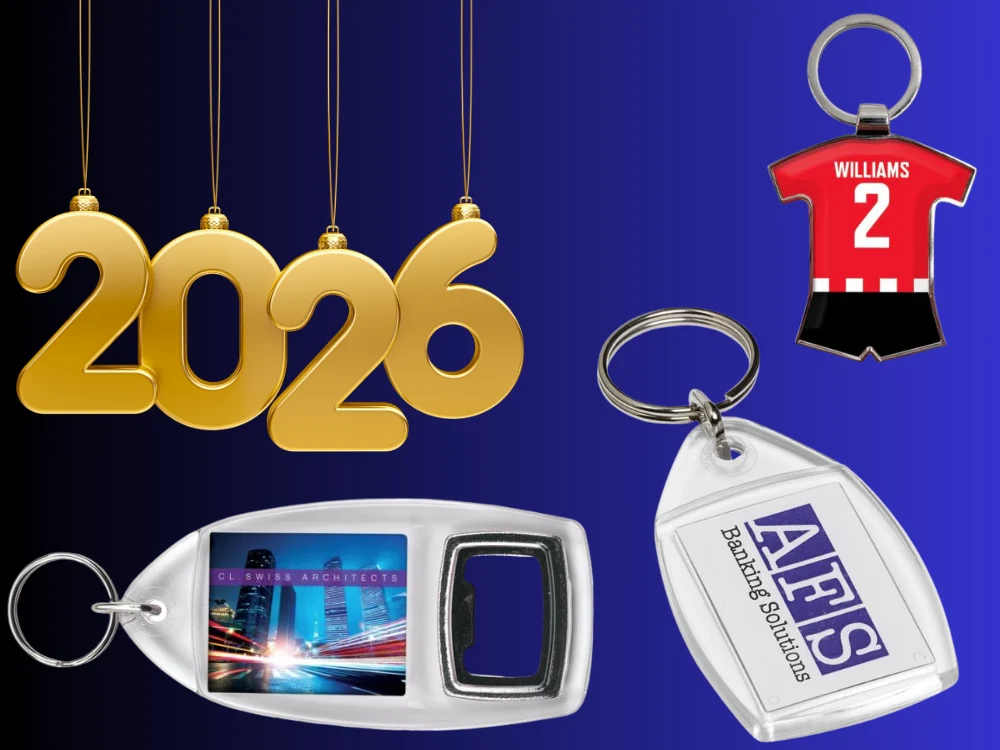
One of the most compelling aspects of promotional keyrings is their incredible versatility in design and customisation. They are not limited to a single shape, material, or style, allowing brands to create a product that perfectly aligns with their identity and target audience.
Consider the vast array of options:
- Materials: Metal (engraved or embossed), plastic (various colours and finishes), leather (premium feel), rubber (durable and flexible), wood (eco-friendly), and even recycled materials.
- Shapes: Standard rectangles and circles, custom die-cut shapes mirroring a logo or product, novelty designs (e.g., miniature tools, animals, vehicles).
- Functions: Beyond simply holding keys, keyrings can incorporate additional features such as bottle openers, trolley coin holders, LED lights, mini torches, USB drives, tape measures, or even small multi-tools.
- Branding Methods: Printing (full colour, spot colour), engraving, embossing, debossing, doming (resin coating for a glossy, durable finish).
This extensive customisation ensures that a brand can create a unique and memorable item that stands out. For instance, an automotive company might opt for a keyring shaped like a car or a wheel, while a technology firm might choose one with a built-in USB drive. This adaptability allows businesses to be creative and strategic with their promotional efforts, ensuring the keyring resonates deeply with their intended recipients.
Targeting Diverse Demographics with Precision
Promotional keyrings are not a one-size-fits-all solution; their versatility allows for highly targeted marketing. Because virtually everyone uses keys, keyrings can reach an incredibly broad audience. However, the specific design and added functionalities can be tailored to appeal to particular demographics or interests.
For example:
Students: Keyrings with USB drives or small torches can be highly practical for campus life.
Car Enthusiasts: Keyrings shaped like specific car models or with a premium finish appeal to this group.
Homeowners: Keyrings incorporating a trolley coin or a mini tape measure are useful for everyday errands and DIY tasks.
Eco-Conscious Consumers: Keyrings made from recycled or sustainable materials align with their values.
Children: Colourful, soft-touch keyrings with popular characters can be used on backpacks or pencil cases.
This ability to segment and tailor the product ensures that the promotional item is not just given away but is genuinely valued and used by the recipient, maximising its impact. A well-chosen keyring from a company like Totally Branded demonstrates an understanding of the recipient’s needs and preferences, fostering a stronger connection.
Building Brand Loyalty and Emotional Connection
Beyond mere visibility, promotional keyrings play a significant role in fostering brand loyalty and creating an emotional connection with consumers. Receiving a free, useful item creates a sense of goodwill and appreciation. This positive initial interaction can lay the groundwork for a lasting relationship.
Every time a customer uses their branded keyring, they are reminded of the positive experience of receiving it. This repeated, subtle reinforcement builds familiarity and trust. Over time, the keyring can become an integral part of their daily routine, transforming into more than just a promotional item; it becomes a small, personal possession associated with a brand. This tangible connection is something digital ads often struggle to achieve. In a world saturated with fleeting digital messages, a physical object that serves a purpose can cut through the noise and establish a deeper, more meaningful bond. It’s a small token that says, “We value you,” and that sentiment resonates deeply with consumers.
Sustainability and Modern Promotional Keyrings
In an era of increasing environmental awareness, the promotional products industry, including keyrings, is evolving to meet demand for sustainable options. Modern promotional keyrings are increasingly being manufactured from eco-friendly materials, addressing concerns about waste and environmental impact.
Innovations include:
- Recycled Plastics: Utilising post-consumer recycled (PCR) plastics to create new, durable keyrings.
- Bamboo and Wood: Natural, renewable resources offering an elegant and earthy aesthetic.
- Recycled Metals: Repurposing metals to reduce the need for new mining.
- Biodegradable Materials: Keyrings designed to break down naturally at the end of their life cycle.
- Upcycled Materials: Transforming waste products into new, functional keyrings.
By offering sustainable keyring options, brands can align their promotional efforts with their corporate social responsibility initiatives, appealing to a growing segment of environmentally conscious consumers. This not only enhances brand image but also contributes to a more sustainable future, proving that promotional effectiveness does not have to come at the expense of ecological responsibility.
The Future is Bright: Keyrings in a Digital Age
Despite predictions that physical keys might eventually be replaced by digital access systems, the promotional keyring shows no signs of obsolescence. Instead, it is adapting and evolving to remain relevant in a digital age. The integration of technology into keyrings is a growing trend, enhancing their utility and appeal.
Consider keyrings that incorporate:
- NFC (Near Field Communication) Tags: Allowing users to tap their keyring to access websites, social media profiles, or contactless payment systems.
- QR Codes: Providing quick links to digital content, exclusive offers, or loyalty programs.
- Bluetooth Trackers: Helping users locate lost keys, adding a valuable function that solves a common problem.
These innovations ensure that keyrings are not just passive brand reminders but active tools that bridge the physical and digital worlds. As technology continues to advance, the potential for new functionalities will only grow, cementing the keyring’s place as a dynamic and enduring promotional staple. The humble keyring, far from being a relic of the past, is a testament to the power of practical, tangible marketing that continues to unlock success for brands worldwide.