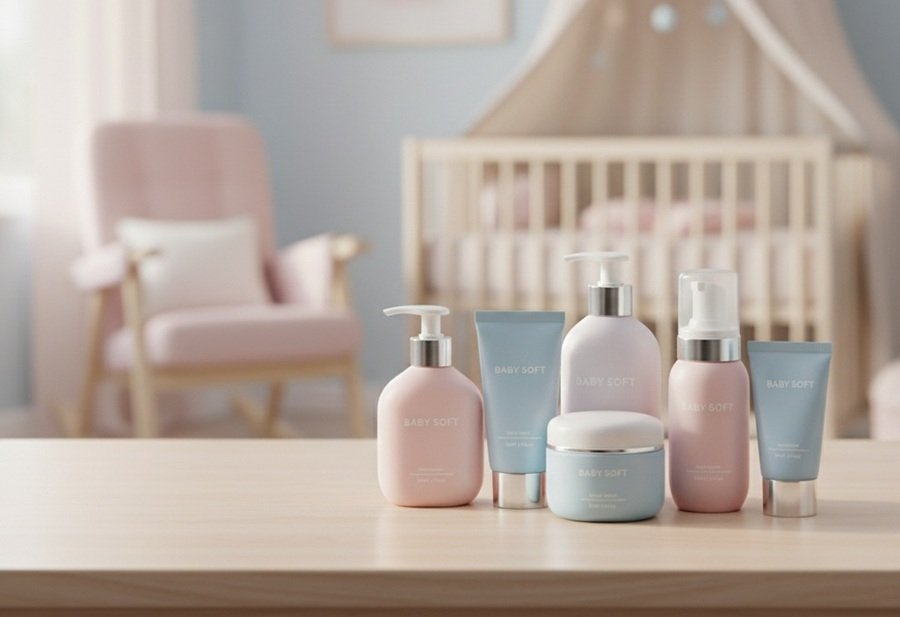



Your baby’s skin is delicate, soft, and remarkably different from your own. It’s also more vulnerable to irritation, dryness, and environmental stressors. Choosing the right baby skin care products can feel overwhelming with so many options lining store shelves, each promising gentle care and protection.
This guide will help you understand what to look for in baby skin care products, which ingredients to avoid, and how to build a simple, effective routine that keeps your little one’s skin healthy and comfortable.
Why Baby Skin Needs Special Care
Newborn skin is thinner and more permeable than adult skin, which means it absorbs substances more easily and loses moisture faster. The skin’s natural barrier is still developing during the first year of life, making babies more susceptible to:
- Dryness and flaking
- Diaper rash
- Eczema and other inflammatory conditions
- Sensitivity to fragrances and harsh chemicals
Because of these vulnerabilities, standard adult products—even those marketed as “gentle”—aren’t suitable for babies. Their skin requires specially formulated products that support the natural barrier without causing irritation.
Essential Baby Skin Care Products
You don’t need an extensive collection of products to care for your baby’s skin. A few well-chosen essentials will cover most of your needs.
Baby Wash and Shampoo
Look for tearless formulas that are soap-free or use mild surfactants. The best baby washes are pH-balanced to match your baby’s skin, typically between 5.5 and 7. Avoid products with sulfates like sodium lauryl sulfate (SLS), which can strip natural oils and cause dryness.
Moisturizer or Lotion
A good baby moisturizer helps lock in hydration and strengthen the skin barrier. Choose fragrance-free lotions with ingredients like glycerin, ceramides, or plant-based oils such as sunflower or coconut oil. Apply moisturizer after bath time when skin is still slightly damp for maximum absorption.
Diaper Cream
Diaper rash is common, so having a protective barrier cream on hand is essential. Zinc oxide-based creams create a physical barrier between your baby’s skin and moisture, preventing and treating redness. Apply a thick layer at each diaper change if your baby is prone to rashes.
Sunscreen
Babies under six months should be kept out of direct sunlight whenever possible. For older babies, use a mineral-based sunscreen with zinc oxide or titanium dioxide, which sits on top of the skin rather than being absorbed. These physical blockers are less likely to cause irritation than chemical sunscreens.
Ingredients to Avoid
Not all ingredients are safe for baby skin. Watch out for these common irritants:
- Fragrances: Even “natural” fragrances can trigger allergic reactions or sensitivity
- Parabens: These preservatives may disrupt hormone function
- Phthalates: Often found in fragranced products, they’re linked to developmental concerns
- Formaldehyde-releasing preservatives: Such as DMDM hydantoin or quaternium-15
- Essential oils: Despite being natural, many essential oils are too strong for baby skin
Instead, prioritize products labeled “fragrance-free,” “hypoallergenic,” and “dermatologist-tested.” Remember that “unscented” doesn’t always mean fragrance-free—it may contain masking fragrances.
How to Patch Test New Products
Before using any new product on your baby, conduct a simple patch test:
- Apply a small amount of the product to a patch of skin on your baby’s inner forearm
- Wait 24 hours and check for any redness, bumps, or irritation
- If no reaction occurs, the product is likely safe to use more broadly
This simple step can prevent widespread reactions and help you identify products that don’t work well for your baby’s unique skin.
Building a Simple Routine
Baby skin care doesn’t need to be complicated. Here’s a basic routine that works for most babies:
Bath time (2-3 times per week): Use warm water and a small amount of gentle baby wash. Bathing too frequently can strip natural oils.
After bath: Pat skin dry and immediately apply a fragrance-free moisturizer to lock in hydration.
Diaper changes: Clean the diaper area with warm water or fragrance-free wipes, then apply a barrier cream if needed.
Sun protection: Apply mineral sunscreen to exposed skin when going outdoors (for babies over 6 months).
Adjust this routine based on your baby’s specific needs. Some babies need more frequent moisturizing, while others may only need it occasionally.
When to See a Doctor
While minor skin issues are normal, some symptoms warrant professional attention:
- Persistent or worsening rash despite treatment
- Signs of infection (warmth, swelling, pus, or fever)
- Severe eczema that doesn’t respond to over-the-counter care
- Any unusual changes in skin color or texture
Your pediatrician or a pediatric dermatologist can recommend prescription treatments or specialized baby skin care products for specific conditions.
Choosing Products That Work for Your Baby
Every baby’s skin is different. What works perfectly for one child might cause irritation in another. Start with minimal products, introduce them one at a time, and pay attention to how your baby’s skin responds.
Stick with fragrance-free, dermatologist-tested options from reputable brands, and don’t hesitate to seek professional guidance when you’re unsure. With the right baby skin care products and a gentle approach, you can keep your little one’s skin soft, healthy, and protected.